Passage Study
Jesus, the Promised Son of David and Abraham
Matthew 1:1–2:23
Matthew 1–2 identifies Jesus as the Messiah within Israel’s long story: Son of David, Son of Abraham, conceived by the Holy Spirit, born to save His people from their sins, and preserved through Herod’s violence. The genealogy, Joseph’s obedience, the magi’s worship, the flight to Egypt, and return to Nazareth show that God’s promised King has come in humility and danger without escaping His saving purpose.
- In this study
- 48 verses · 5 movements
Matthew 1
1:1The book of the genealogy of Jesus Christ, the son of David, the son of Abraham.
1:2Abraham became the father of Isaac. Isaac became the father of Jacob. Jacob became the father of Judah and his brothers.
1:3Judah became the father of Perez and Zerah by Tamar. Perez became the father of Hezron. Hezron became the father of Ram.
1:4Ram became the father of Amminadab. Amminadab became the father of Nahshon. Nahshon became the father of Salmon.
1:5Salmon became the father of Boaz by Rahab. Boaz became the father of Obed by Ruth. Obed became the father of Jesse.
1:6Jesse became the father of King David. David the king became the father of Solomon by her who had been Uriah’s wife.
1:7Solomon became the father of Rehoboam. Rehoboam became the father of Abijah. Abijah became the father of Asa.
1:8Asa became the father of Jehoshaphat. Jehoshaphat became the father of Joram. Joram became the father of Uzziah.
1:9Uzziah became the father of Jotham. Jotham became the father of Ahaz. Ahaz became the father of Hezekiah.
1:10Hezekiah became the father of Manasseh. Manasseh became the father of Amon. Amon became the father of Josiah.
1:11Josiah became the father of Jechoniah and his brothers at the time of the exile to Babylon.
1:12After the exile to Babylon, Jechoniah became the father of Shealtiel. Shealtiel became the father of Zerubbabel.
1:13Zerubbabel became the father of Abiud. Abiud became the father of Eliakim. Eliakim became the father of Azor.
1:14Azor became the father of Zadok. Zadok became the father of Achim. Achim became the father of Eliud.
1:15Eliud became the father of Eleazar. Eleazar became the father of Matthan. Matthan became the father of Jacob.
1:16Jacob became the father of Joseph, the husband of Mary, from whom was born Jesus, who is called Christ.
1:17So all the generations from Abraham to David are fourteen generations; from David to the exile to Babylon fourteen generations; and from the carrying away to Babylon to the Christ, fourteen generations.
1:18Now the birth of Jesus Christ was like this: After his mother, Mary, was engaged to Joseph, before they came together, she was found pregnant by the Holy Spirit.
1:19Joseph, her husband, being a righteous man, and not willing to make her a public example, intended to put her away secretly.
1:20But when he thought about these things, behold, an angel of the Lord appeared to him in a dream, saying, “Joseph, son of David, don’t be afraid to take to yourself Mary as your wife, for that which is conceived in her is of the Holy Spirit.
1:21She shall give birth to a son. You shall name him Jesus, for it is he who shall save his people from their sins.”
1:22Now all this has happened that it might be fulfilled which was spoken by the Lord through the prophet, saying,
1:23“Behold, the virgin shall be with child, and shall give birth to a son. They shall call his name Immanuel,” which is, being interpreted, “God with us.”
1:24Joseph arose from his sleep, and did as the angel of the Lord commanded him, and took his wife to himself;
1:25and didn’t know her sexually until she had given birth to her firstborn son. He named him Jesus.
Matthew 2
2:1Now when Jesus was born in Bethlehem of Judea in the days of King Herod, behold, wise men from the east came to Jerusalem, saying,
2:2“Where is he who is born King of the Jews? For we saw his star in the east, and have come to worship him.”
2:3When King Herod heard it, he was troubled, and all Jerusalem with him.
2:4Gathering together all the chief priests and scribes of the people, he asked them where the Christ would be born.
2:5They said to him, “In Bethlehem of Judea, for this is written through the prophet,
2:6‘You Bethlehem, land of Judah, are in no way least among the princes of Judah; for out of you shall come a governor who shall shepherd my people, Israel.’”
2:7Then Herod secretly called the wise men, and learned from them exactly what time the star appeared.
2:8He sent them to Bethlehem, and said, “Go and search diligently for the young child. When you have found him, bring me word, so that I also may come and worship him.”
2:9They, having heard the king, went their way; and behold, the star, which they saw in the east, went before them until it came and stood over where the young child was.
2:10When they saw the star, they rejoiced with exceedingly great joy.
2:11They came into the house and saw the young child with Mary, his mother, and they fell down and worshiped him. Opening their treasures, they offered to him gifts: gold, frankincense, and myrrh.
2:12Being warned in a dream not to return to Herod, they went back to their own country another way.
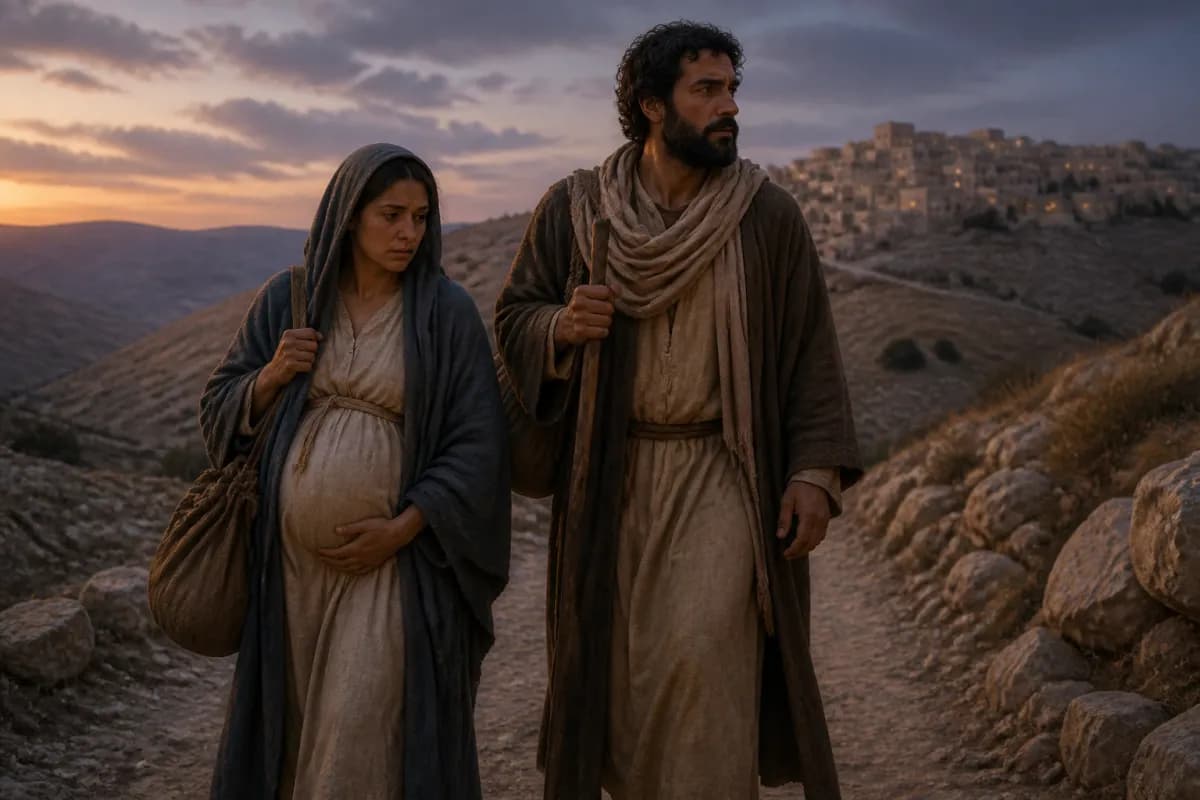
2:13Now when they had departed, behold, an angel of the Lord appeared to Joseph in a dream, saying, “Arise and take the young child and his mother, and flee into Egypt, and stay there until I tell you, for Herod will seek the young child to destroy him.”
2:14He arose and took the young child and his mother by night and departed into Egypt,
2:15and was there until the death of Herod, that it might be fulfilled which was spoken by the Lord through the prophet, saying, “Out of Egypt I called my son.”
2:16Then Herod, when he saw that he was mocked by the wise men, was exceedingly angry, and sent out and killed all the male children who were in Bethlehem and in all the surrounding countryside, from two years old and under, according to the exact time which he had learned from the wise men.
2:17Then that which was spoken by Jeremiah the prophet was fulfilled, saying,
2:18“A voice was heard in Ramah, lamentation, weeping and great mourning, Rachel weeping for her children; she wouldn’t be comforted, because they are no more.”
2:19But when Herod was dead, behold, an angel of the Lord appeared in a dream to Joseph in Egypt, saying,
2:20“Arise and take the young child and his mother, and go into the land of Israel, for those who sought the young child’s life are dead.”
2:21He arose and took the young child and his mother, and came into the land of Israel.
2:22But when he heard that Archelaus was reigning over Judea in the place of his father, Herod, he was afraid to go there. Being warned in a dream, he withdrew into the region of Galilee,
2:23and came and lived in a city called Nazareth; that it might be fulfilled which was spoken through the prophets that he will be called a Nazarene.
CONTEXTUAL OVERVIEW
Matthew begins with a genealogy because Jesus’ identity cannot be separated from God’s promises to Israel. The opening designation, “son of David, son of Abraham,” places Him in the royal family through whom God promised a lasting king and in the covenant family through whom blessing would reach the nations. The list includes marked fractures—exile, compromised kings, and unexpected women—so it does not present a spotless human line. It announces God’s faithfulness through a history that needs redemption.
The birth account moves from public lineage to Joseph’s private crisis. Mary’s pregnancy occurs before the couple live together, and Joseph plans a merciful separation until an angel explains that the child is conceived by the Holy Spirit. The name Jesus is then given its stated meaning: He will save His people from their sins. Matthew’s first answer to the question of this child’s mission is forgiveness and rescue, not simply royal prestige.
HISTORICAL AND LITERARY CONTEXT
These chapters are a Jewish-shaped Gospel opening written under Roman rule. Herod the Great was Rome’s client king in Judea; Matthew’s account of his fear at a rival “king of the Jews” fits the political pressure surrounding any claim to Davidic kingship. The text itself distinguishes Herod’s court in Jerusalem from the small village of Bethlehem and the family’s later home in Nazareth.
Matthew repeatedly says events occurred to fulfill Scripture. Those citations do not turn every detail into a coded prediction. Isaiah’s Immanuel promise, Micah’s Bethlehem ruler, Hosea’s “out of Egypt,” Jeremiah’s grief at Ramah, and the Nazareth description together show Matthew reading Jesus as the climax of Israel’s Scripture-shaped story: royal hope, exodus, mourning, and humble obscurity converge in Him.
SECTION-BY-SECTION ANALYSIS
- Matthew 1:1–17 · Matthew 1:1Jesus stands at the end of Israel’s covenant and royal history as the Messiah descended from Abraham and David.
- Matthew 1:18–25 · Matthew 1:21The Spirit-conceived Son receives the name Jesus because His stated work is saving His people from their sins.
- Matthew 2:1–23 · Matthew 2:13Magi worship, Herod rages, and Joseph obeys God’s direction as the child King retraces Israel’s movement through Egypt and into the land.
CHRIST IN THIS PASSAGE
Christ is explicit throughout Matthew 1–2. Jesus is the promised Davidic Messiah, the virgin-conceived Immanuel, and the Savior whose mission addresses sin. “God with us” is not a vague religious comfort: in the narrative, God comes near in the Son who will save His people. His humble birth and threatened infancy already reveal a kingdom unlike Herod’s, one advanced through God’s faithfulness rather than palace force.
The flight from Egypt creates a strong canonical pattern rather than a claim that Jesus simply repeats Israel’s history. Israel was called God’s son and delivered from Egypt; Jesus, God’s obedient Son, comes out of Egypt to fulfill His vocation without Israel’s unfaithfulness. He will later give His life for sinners and rise as the King who sends blessing to the nations represented by the magi.
REFLECTION
Matthew’s opening asks whether Jesus will be received as He is. Herod wants a king he can control or eliminate; the magi cross a great distance to worship; Joseph obeys when obedience complicates his plans. Faith in Christ includes trusting God’s word when faithfulness is costly, confusing, or hidden from public praise.
Bring the actual burden named in this passage to Jesus: sin. He did not come merely to improve religious effort or provide a moral example. Confess your need for rescue, receive the King whom God has given, and let Joseph’s quiet obedience shape one faithful response to Christ’s authority today.
Original Greek Word Study
Matthew 1:1
γένεσις
genesis · G1078
Usually translated: origin, birth, or genealogy
Genesis means origin, birth, or genealogy. Matthew opens by presenting Jesus as the Messiah in David’s royal line and Abraham’s covenant line, locating His birth inside God’s long-promised story.
Follow the Scripture trail
Jesus, the Promised Son of David and Abraham in the larger story
The connection: Matthew 1–2 introduces Jesus as Abraham’s promised descendant, David’s true heir, and God-with-us. His name declares His mission to save His people from sins; His movement through Egypt presents Him as the obedient Son who fulfills Israel’s calling and will bring covenant blessing to the nations.
Respond to the passage
Name the sin or self-protective plan you have tried to manage without Jesus, and bring it to the Savior whose mission is to forgive and restore. Receive Him as King, then obey the next clear command He has placed before you.
- Why does Matthew begin Jesus’ story with Abraham, David, and the exile?
- How does Joseph’s response to the angel reveal trust in God’s word?
- What does the contrast between the magi and Herod show about receiving Jesus as King?
Prayer
Lord Jesus, Son of David and Savior from sin, I receive You as the King God has promised. Forgive my sin, give me Joseph’s willing obedience, and make my life a true act of worship before You. Amen.