Passage Study
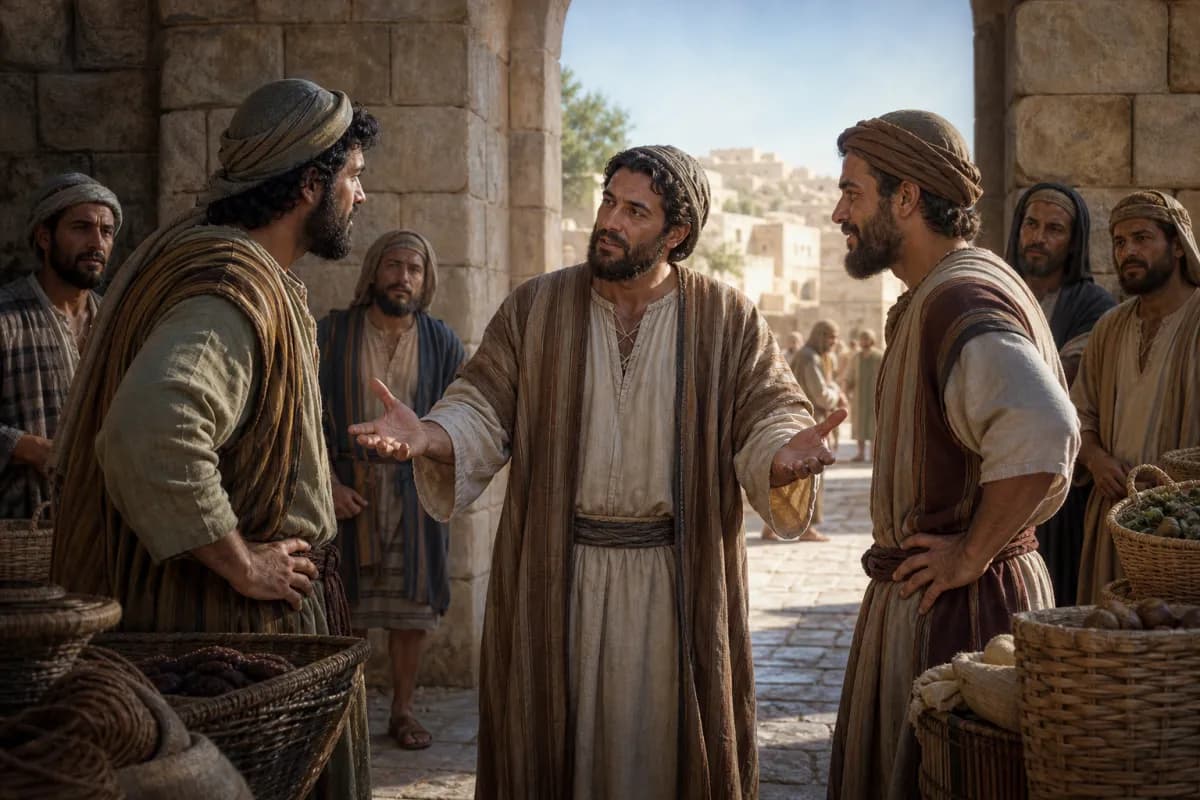
A Gentle Answer Before the God Who Sees
Proverbs 15:1–15:33
Proverbs 15 joins a gentle answer, the Lord’s searching eyes, teachability, humble planning, and prayer into one portrait of wisdom. The chapter does not reduce peace to avoiding hard truth; it contrasts healing speech with harsh anger and humble correction with self-will. Jesus bears sinners’ rebellion, hears His people, and teaches them to walk humbly before the Father who sees every heart.
- In this study
- 33 verses · 5 movements
Proverbs 15
15:1A gentle answer turns away wrath, but a harsh word stirs up anger.
15:2The tongue of the wise commends knowledge, but the mouths of fools gush out folly.
15:3The LORD’s eyes are everywhere, keeping watch on the evil and the good.
15:4A gentle tongue is a tree of life, but deceit in it crushes the spirit.
15:5A fool despises his father’s correction, but he who heeds reproof shows prudence.
15:6In the house of the righteous is much treasure, but the income of the wicked brings trouble.
15:7The lips of the wise spread knowledge; not so with the heart of fools.
15:8The sacrifice made by the wicked is an abomination to the LORD, but the prayer of the upright is his delight.
15:9The way of the wicked is an abomination to the LORD, but he loves him who follows after righteousness.
15:10There is stern discipline for one who forsakes the way. Whoever hates reproof shall die.
15:11Sheol and Abaddon are before the LORD— how much more then the hearts of the children of men!
15:12A scoffer doesn’t love to be reproved; he will not go to the wise.
15:13A glad heart makes a cheerful face, but an aching heart breaks the spirit.
15:14The heart of one who has understanding seeks knowledge, but the mouths of fools feed on folly.
15:15All the days of the afflicted are wretched, but one who has a cheerful heart enjoys a continual feast.
15:16Better is little, with the fear of the LORD, than great treasure with trouble.
15:17Better is a dinner of herbs, where love is, than a fattened calf with hatred.
15:18A wrathful man stirs up contention, but one who is slow to anger appeases strife.
15:19The way of the sluggard is like a thorn patch, but the path of the upright is a highway.
15:20A wise son makes a father glad, but a foolish man despises his mother.
15:21Folly is joy to one who is void of wisdom, but a man of understanding keeps his way straight.
15:22Where there is no counsel, plans fail; but in a multitude of counselors they are established.
15:23Joy comes to a man with the reply of his mouth. How good is a word at the right time!
15:24The path of life leads upward for the wise, to keep him from going downward to Sheol.
15:25The LORD will uproot the house of the proud, but he will keep the widow’s borders intact.
15:26The LORD detests the thoughts of the wicked, but the thoughts of the pure are pleasing.
15:27He who is greedy for gain troubles his own house, but he who hates bribes will live.
15:28The heart of the righteous weighs answers, but the mouth of the wicked gushes out evil.
15:29The LORD is far from the wicked, but he hears the prayer of the righteous.
15:30The light of the eyes rejoices the heart. Good news gives health to the bones.
15:31The ear that listens to reproof lives, and will be at home among the wise.
15:32He who refuses correction despises his own soul, but he who listens to reproof gets understanding.
15:33The fear of the LORD teaches wisdom. Before honor is humility.
CONTEXTUAL OVERVIEW
Proverbs 15 opens with a conflict already in motion: a gentle answer turns away wrath, but a harsh word stirs anger. The chapter does not commend evasive speech. It repeatedly values knowledge, truthful correction, and plans established by counsel. Its concern is the moral temperature of the heart and mouth when truth must be spoken before God.
The Lord’s presence governs the whole collection. His eyes are in every place, He abhors the sacrifice of the wicked, He hears the prayer of the upright, and He loves the one who pursues righteousness. These statements make wisdom more than interpersonal technique. Speech, worship, planning, and correction are lived before the God who sees both the visible house and the hidden heart.
HISTORICAL AND LITERARY CONTEXT
Proverbs 15 is a Solomonic collection of parallel sayings. It returns often to the household: a cheerful heart makes a continual feast, a troubled house is better avoided even when it contains rich food, and a life-giving rebuke finds a place among the wise. Its comparisons establish values that run against status and abundance when they are separated from love, peace, and reverence for God.
The contrast between sacrifice and prayer belongs within Israel’s worship life. Proverbs 15:8 does not reject sacrifices commanded elsewhere in the Old Testament; it rejects worship offered by someone who persists in wickedness as though ritual could compensate for an unreformed way. The chapter therefore connects acceptable worship with a heart that receives God’s correction and pursues righteousness.
SECTION-BY-SECTION ANALYSIS
- Verses 1–10 · Proverbs 15:14Speech and worship are weighed before the God who sees every place and knows whether a heart seeks truth or wickedness.
- Verses 11–23 · Proverbs 15:4Life-giving correction, love within a modest household, counsel, and timely speech display wisdom’s healthier order.
- Verses 24–33 · Proverbs 15:33The Lord opposes pride and greed, protects the vulnerable, and teaches that humility precedes honor.
CHRIST IN THIS PASSAGE
Proverbs 15 is not a direct prophecy of Jesus, yet it identifies a problem that ritual and careful speech cannot solve: God sees the wicked heart. Jesus gives Himself for sinners whose sacrifice, words, and plans are compromised by rebellion. His atoning death makes forgiveness possible, and His risen life brings believers into honest communion with the Father who already knows them fully.
The chapter’s teaching about prayer and humility finds its clearest fulfillment in discipleship to Christ. Jesus speaks truth without sinful rage, welcomes the humble, and teaches His people to pray to their Father. He does not make gentleness a strategy for self-advancement; He forms a people whose speech, worship, counsel, and treatment of the vulnerable reflect His saving reign.
REFLECTION
Before your next difficult conversation, do more than prepare your argument. Ask Jesus to show you what anger, pride, or fear is already shaping your response. A gentle answer may still tell the truth clearly; it refuses to use the truth as a weapon. Where you have inflamed conflict with harsh words, seek forgiveness and make a particular repair.
Let verses 8 and 29 examine your prayers. Do not use religious activity to hide a course you are unwilling to surrender. Bring the matter openly to Christ, welcome the correction you have avoided, and ask for wise counsel. The Father who sees you fully is not surprised by your need and hears the upright prayer made through His Son.
Original Hebrew Word Study
Proverbs 15:4
מַרְפֵּא
marpe · H4832
Usually translated: healing or health
Marpe means healing. A gentle tongue can bring life and restoration, while crooked speech wounds the spirit.
Follow the Scripture trail
A Gentle Answer Before the God Who Sees in the larger story
The connection: Proverbs 15 places every word, act of worship, and hidden motive before the Lord who sees. Jesus bears the guilt of sinners who cannot hide from God, grants access to the Father, and reshapes their speech and worship through His humble saving reign.
Respond to the passage
Bring one relationship marked by recurring harshness before Jesus. Plan a gentle, truthful next conversation, and ask one mature believer for counsel if pride or secrecy has made the conflict hard to address.
- Why does Proverbs 15 connect gentle answers with the Lord’s sight of every place?
- How do verses 8 and 29 challenge the use of worship or prayer to conceal sin?
- What does the chapter mean by saying humility comes before honor?
Prayer
Lord Jesus, You see my heart and hear my prayer. Forgive my harsh words and hidden pride; make me humble, truthful, peaceable, and ready to receive Your correction. Amen.