Passage Study
Peace at the Table and the Friend Who Stays
Proverbs 17:1–17:28
Proverbs 17 contrasts a quiet home with a rich but hostile one, truth-loving speech with bribery and false testimony, and faithful friendship with the selfishness that abandons a neighbor. The Lord tests hearts and hears words. Jesus bears the shame of sinful people and makes them members of His household, teaching them to pursue peace, honest judgment, and steadfast love.
- In this study
- 28 verses · 5 movements
Proverbs 17
17:1Better is a dry morsel with quietness, than a house full of feasting with strife.
17:2A servant who deals wisely will rule over a son who causes shame, and shall have a part in the inheritance among the brothers.
17:3The refining pot is for silver, and the furnace for gold, but the LORD tests the hearts.
17:4An evildoer heeds wicked lips. A liar gives ear to a mischievous tongue.
17:5Whoever mocks the poor reproaches his Maker. He who is glad at calamity shall not be unpunished.
17:6Children’s children are the crown of old men; the glory of children is their parents.
17:7Excellent speech isn’t fitting for a fool, much less do lying lips fit a prince.
17:8A bribe is a precious stone in the eyes of him who gives it; wherever he turns, he prospers.
17:9He who covers an offense promotes love; but he who repeats a matter separates best friends.
17:10A rebuke enters deeper into one who has understanding than a hundred lashes into a fool.
17:11An evil man seeks only rebellion; therefore a cruel messenger shall be sent against him.
17:12Let a bear robbed of her cubs meet a man, rather than a fool in his folly.
17:13Whoever rewards evil for good, evil shall not depart from his house.
17:14The beginning of strife is like breaching a dam, therefore stop contention before quarreling breaks out.
17:15He who justifies the wicked, and he who condemns the righteous, both of them alike are an abomination to the LORD.
17:16Why is there money in the hand of a fool to buy wisdom, since he has no understanding?
17:17A friend loves at all times; and a brother is born for adversity.
17:18A man void of understanding strikes hands, and becomes collateral in the presence of his neighbor.
17:19He who loves disobedience loves strife. One who builds a high gate seeks destruction.
17:20One who has a perverse heart doesn’t find prosperity, and one who has a deceitful tongue falls into trouble.
17:21He who becomes the father of a fool grieves. The father of a fool has no joy.
17:22A cheerful heart makes good medicine, but a crushed spirit dries up the bones.
17:23A wicked man receives a bribe in secret, to pervert the ways of justice.
17:24Wisdom is before the face of one who has understanding, but the eyes of a fool wander to the ends of the earth.
17:25A foolish son brings grief to his father, and bitterness to her who bore him.
17:26Also to punish the righteous is not good, nor to flog officials for their integrity.
17:27He who spares his words has knowledge. He who is even tempered is a man of understanding.
17:28Even a fool, when he keeps silent, is counted wise. When he shuts his lips, he is thought to be discerning.
CONTEXTUAL OVERVIEW
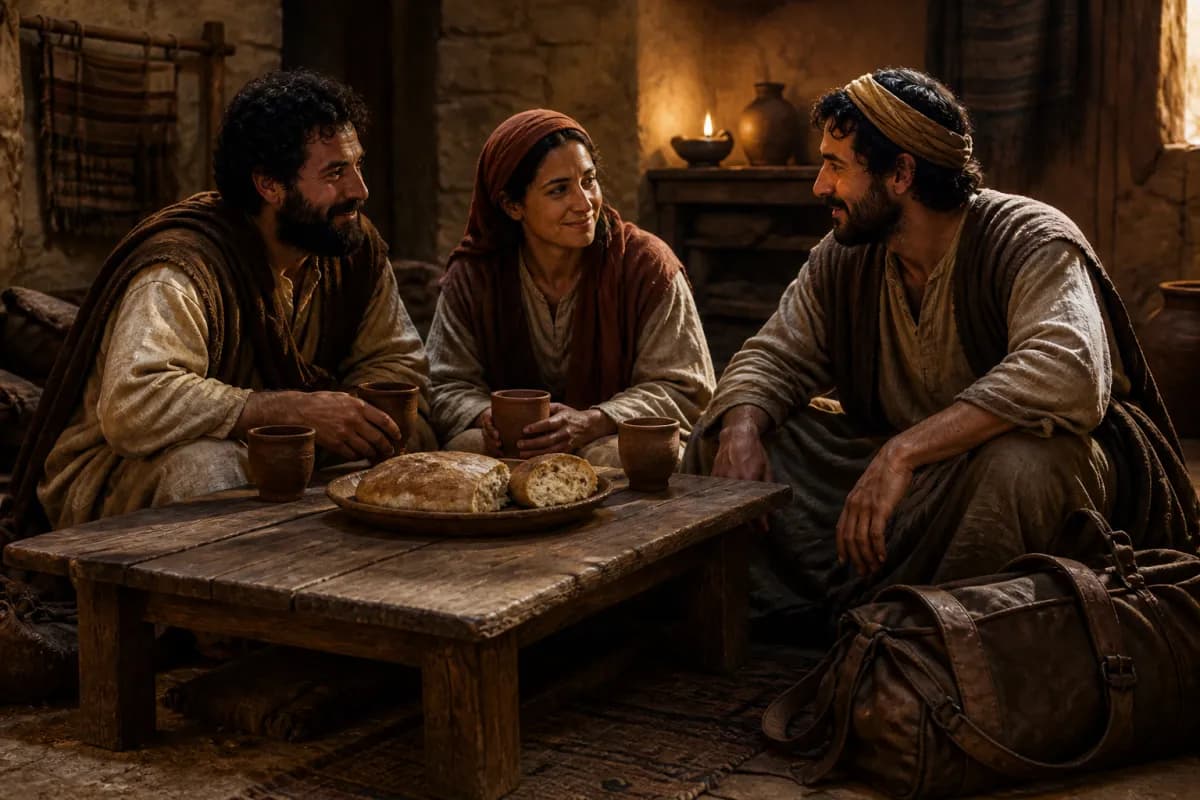
A dry morsel with quietness is better than a feast with strife. Proverbs 17 opens at the household table and refuses to let abundance define blessing. Through the chapter, the same question spreads outward: will a person protect peace, hear a needy neighbor, tell the truth in court, and stay near when family conflict exposes weakness?
The chapter has sharp edges. God tests hearts as a refiner tests silver and gold; a false witness will not go unpunished; starting a quarrel is like opening a dam; and even a fool may appear wise when silent. Wisdom here is not charm. It is reverent restraint in the places where words can fracture a home, a friendship, or a court.
HISTORICAL AND LITERARY CONTEXT
Proverbs 17 belongs to the collection of short sayings in Proverbs 10–22:16. The proverbs range from a household inheritance dispute in verse 2 to a city gate or legal setting in verses 15 and 23. Their variety shows that Israel’s fear of the Lord was meant to shape domestic life, public judgment, and economic decisions alike.
The refining image in verse 3 uses familiar metalwork: ore was heated so impurities could be removed. Proverbs applies that image carefully. Human refiners can test metals, but the Lord tests hearts; He knows what speech and outward respectability may conceal. That claim prepares the chapter’s warnings about lies, bribery, and rejoicing at another’s calamity.
SECTION-BY-SECTION ANALYSIS
- Verses 1–9 · Proverbs 17:1Peace, refined hearts, care for the poor, and love that seeks reconciliation are better than impressive households with strife.
- Verses 10–20 · Proverbs 17:7Correction, truthful judgment, and restrained speech expose the danger of foolish rebellion and crooked testimony.
- Verses 21–28 · Proverbs 17:27Faithful friendship and a healed heart stand against bribery, family grief, and words spoken without understanding.
CHRIST IN THIS PASSAGE
Proverbs 17 is not a direct prophecy, yet its household and friendship themes find their saving center in Jesus. The chapter names the grief and shame sin brings into families and warns against a justice that condemns the righteous. Jesus, the truly righteous one, accepts shame and death for guilty people so that they may be welcomed into God’s household rather than left under condemnation.
The friend who loves at all times is a fitting, though not exhaustive, echo of Christ’s steadfast love. Jesus does more than offer moral companionship: He lays down His life for His friends and reconciles enemies to God. Those received by Him learn to cover offenses through patient pursuit of reconciliation, to defend truthful justice, and to remain near in another believer’s adversity.
REFLECTION
At a tense table or in a strained family conversation, do not measure success by getting the last word. Ask whether your words are widening a breach or serving peace. If you have repeated a brother’s failure to others, or rejoiced privately in someone’s setback, confess that before Christ and take a step toward repair.
Choose one burdened person and practice the chapter’s costly kind of friendship: listen without gossip, offer practical help, and remain present after the immediate drama passes. Jesus has not abandoned His people in their trouble; His mercy gives a new pattern for homes and friendships that have known shame and conflict.
Original Hebrew Word Study
Proverbs 17:22
שָׂמֵחַ
sameach · H8056
Usually translated: joyful or glad
Sameach means joyful. A glad heart brings healing, while a crushed spirit drains strength, showing wisdom’s concern for the whole person.
Follow the Scripture trail
Peace at the Table and the Friend Who Stays in the larger story
The connection: Proverbs 17 shows how sin corrodes homes, courts, and friendships, and it insists that the Lord sees beneath polished words. Jesus, the righteous one wrongly condemned, bears sinners’ guilt and creates a reconciled household marked by His faithful love.
Respond to the passage
Consider one conflict in which you have kept an offense alive through retelling, sarcasm, or silence. Ask Jesus for a truthful and peace-seeking next step, and practice steadfast friendship with someone carrying a visible burden.
- Why is a dry morsel with peace better than a feast with strife?
- What does it mean for love to cover an offense without concealing injustice?
- How does Jesus’ friendship go beyond the faithful friend described in Proverbs 17?
Prayer
Lord Jesus, You welcomed me when my sin brought shame. Guard my tongue, make me love truth and peace, and teach me to remain faithful to the people You place before me. Amen.