Passage Study
The Name of the Lord and Words That Wound or Heal
Proverbs 18:1–18:24
Proverbs 18 exposes the isolating folly of self-will and traces the power of words through quarrels, testimony, counsel, wealth, poverty, and friendship. A person may hide behind a fortified city of riches, but the name of the Lord is the true strong tower. Jesus brings guilty and isolated sinners to the Father and teaches His people to use words in humility, truth, and love.
- In this study
- 24 verses · 5 movements
Proverbs 18
18:1A man who isolates himself pursues selfishness, and defies all sound judgment.
18:2A fool has no delight in understanding, but only in revealing his own opinion.
18:3When wickedness comes, contempt also comes, and with shame comes disgrace.
18:4The words of a man’s mouth are like deep waters. The fountain of wisdom is like a flowing brook.
18:5To be partial to the faces of the wicked is not good, nor to deprive the innocent of justice.
18:6A fool’s lips come into strife, and his mouth invites beatings.
18:7A fool’s mouth is his destruction, and his lips are a snare to his soul.
18:8The words of a gossip are like dainty morsels: they go down into a person’s innermost parts.
18:9One who is slack in his work is brother to him who is a master of destruction.
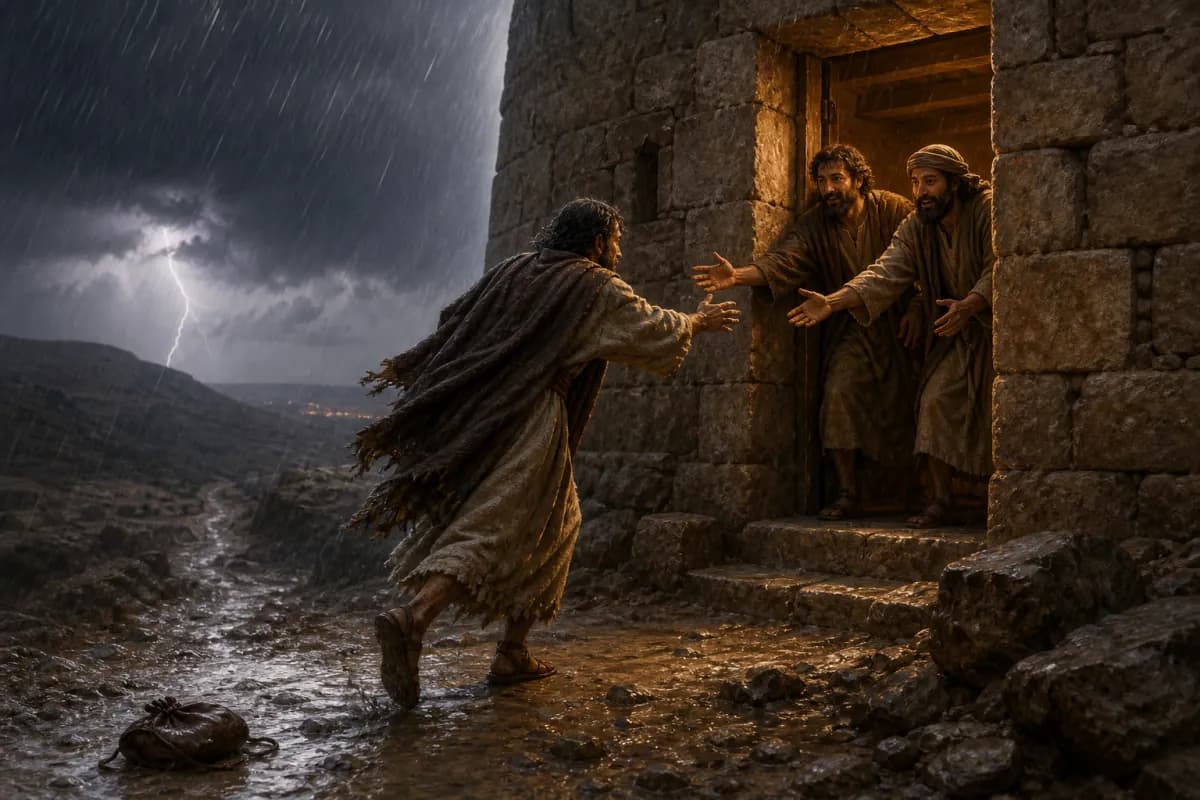
18:10The LORD’s name is a strong tower: the righteous run to him, and are safe.
18:11The rich man’s wealth is his strong city, like an unscalable wall in his own imagination.
18:12Before destruction the heart of man is proud, but before honor is humility.
18:13He who answers before he hears, that is folly and shame to him.
18:14A man’s spirit will sustain him in sickness, but a crushed spirit, who can bear?
18:15The heart of the discerning gets knowledge. The ear of the wise seeks knowledge.
18:16A man’s gift makes room for him, and brings him before great men.
18:17He who pleads his cause first seems right— until another comes and questions him.
18:18The lot settles disputes, and keeps strong ones apart.
18:19A brother offended is more difficult than a fortified city. Disputes are like the bars of a fortress.
18:20A man’s stomach is filled with the fruit of his mouth. With the harvest of his lips he is satisfied.
18:21Death and life are in the power of the tongue; those who love it will eat its fruit.
18:22Whoever finds a wife finds a good thing, and obtains favor of the LORD.
18:23The poor plead for mercy, but the rich answer harshly.
18:24A man of many companions may be ruined, but there is a friend who sticks closer than a brother.
CONTEXTUAL OVERVIEW
Proverbs 18 begins with someone who separates himself and rejects sound judgment. The chapter then places this solitary self-will beside a different refuge: “the name of the Lord” is a strong tower into which the righteous run. Its central pressure is not merely whether one speaks well, but where one turns when exposed, opposed, poor, or in need of counsel.
Words fill the chapter. The fool reveals a heart that delights in airing opinion; a whisper separates close friends; an answer before hearing is shameful; the first case can sound right until another person examines it; and death and life are in the power of the tongue. Speech becomes a moral and communal force, never a private possession.
HISTORICAL AND LITERARY CONTEXT
Proverbs 18 is a wisdom collection whose sayings speak to disputes likely heard among families, neighbors, and at a town gate. Verse 18 refers to casting lots to settle a dispute, while verses 13 and 17 warn against premature answers and one-sided testimony. The chapter values a process of listening because apparent certainty can conceal a partial account.
A strong tower was a recognizable place of protection in an ancient city. Verse 10 uses that image for the Lord’s name—His revealed character and covenant faithfulness—not as a magical phrase. Verse 11 immediately contrasts the rich person who imagines wealth to be a high wall, showing the difference between real refuge and a security built in the mind.
SECTION-BY-SECTION ANALYSIS
- Verses 1–12 · Proverbs 18:10Self-will isolates, wealth only imagines a wall, and the Lord’s revealed name is the righteous person’s true refuge.
- Verses 13–21 · Proverbs 18:1Hearing before answering and guarding the tongue protect neighbors from the damage of hasty judgment and offense.
- Verses 22–24 · Proverbs 18:24God’s favor in marriage and the presence of a steadfast friend are gifts more substantial than a crowd of companions.
CHRIST IN THIS PASSAGE
The strong tower image is a thematic connection to Christ, not a claim that Proverbs 18 directly names Him. Jesus reveals the Father’s saving character and brings people who have isolated themselves through sin into God’s protection. He is not an escape from honest examination; He receives people who come into the light, confess their need, and trust His mercy rather than their imagined defenses.
Christ also answers the chapter’s concern about testimony and speech. False witnesses and hasty accusers surround His trial, yet He remains faithful to the Father and bears judgment for sinners whose words have wounded and deceived. His saving grace does not leave disciples reckless with language; it forms truthful listeners and friends who seek restoration rather than victory in a quarrel.
REFLECTION
Notice what fortress you use when you feel vulnerable: money, competence, withdrawing from people, or controlling the story before anyone else can speak. Run to the Lord in prayer with the actual fear, and let trusted believers ask the questions you would rather avoid. Christ’s welcome is strong enough for honest exposure.
In your next disagreement, delay the answer long enough to hear the other person’s account. Refuse a whisper that separates friends, and use one specific word of truth or encouragement that could nourish rather than wound. The One who drew near to you in your isolation can make you a safer presence for others.
Original Hebrew Word Study
Proverbs 18:21
מָוֶת
mavet · H4194
Usually translated: death
Mavet means death. Life and death are placed in the power of the tongue, making speech a moral force that bears real consequences.
Follow the Scripture trail
The Name of the Lord and Words That Wound or Heal in the larger story
The connection: Proverbs 18 exposes self-isolation, false refuge, and destructive speech while holding out the Lord as real protection. Jesus reveals the Father’s saving name, bears the guilt of sinful words, and brings isolated people into a truthful family of faith.
Respond to the passage
Identify the defense you rely on when you feel exposed. Bring it to Jesus, invite one wise person to listen and speak honestly, and practice being quick to hear in one difficult conversation this week.
- What is the difference between the Lord as a strong tower and wealth as an imagined high wall?
- Why does Proverbs 18 make careful listening a matter of wisdom and justice?
- How can the tongue become either a fortress that imprisons or a source of life?
Prayer
Lord Jesus, You bring the isolated near to the Father. Tear down my false defenses, make me quick to listen and slow to speak, and use my words to give life. Amen.