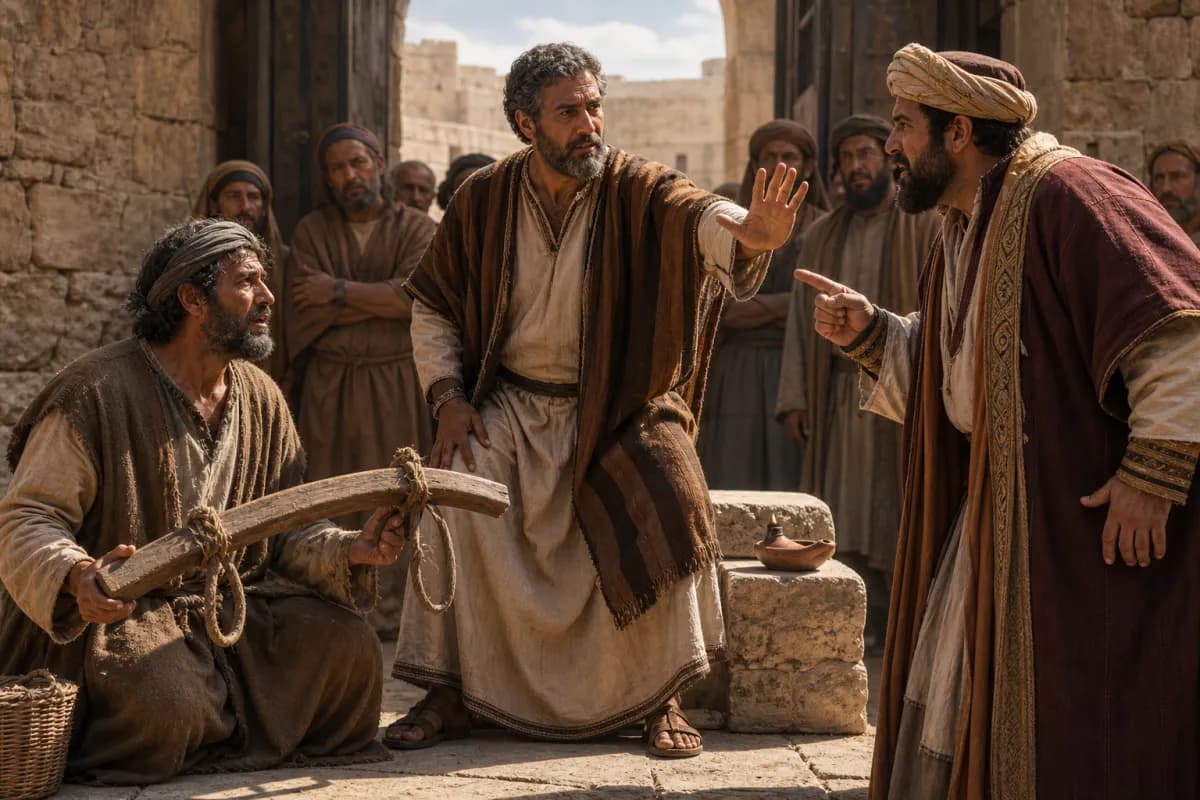
Passage Study
Correction, Justice, and the Fear of the Lord
Proverbs 29:1–29:27
Proverbs 29 shows that stubborn refusal of correction and fear of people both end in ruin, while justice, disciplined speech, and fear of the Lord protect a community. It addresses parents, rulers, the poor, the angry, and the proud. Jesus is the just Judge who frees His people from human approval and teaches them to seek the Lord’s honor in truthful, merciful obedience.
- In this study
- 27 verses · 5 movements
Proverbs 29
29:1He who is often rebuked and stiffens his neck will be destroyed suddenly, with no remedy.
29:2When the righteous thrive, the people rejoice; but when the wicked rule, the people groan.
29:3Whoever loves wisdom brings joy to his father; but a companion of prostitutes squanders his wealth.
29:4The king by justice makes the land stable, but he who takes bribes tears it down.
29:5A man who flatters his neighbor spreads a net for his feet.
29:6An evil man is snared by his sin, but the righteous can sing and be glad.
29:7The righteous care about justice for the poor. The wicked aren’t concerned about knowledge.
29:8Mockers stir up a city, but wise men turn away anger.
29:9If a wise man goes to court with a foolish man, the fool rages or scoffs, and there is no peace.
29:10The bloodthirsty hate a man of integrity; and they seek the life of the upright.
29:11A fool vents all of his anger, but a wise man brings himself under control.
29:12If a ruler listens to lies, all of his officials are wicked.
29:13The poor man and the oppressor have this in common: The LORD gives sight to the eyes of both.
29:14The king who fairly judges the poor, his throne shall be established forever.
29:15The rod of correction gives wisdom, but a child left to himself causes shame to his mother.
29:16When the wicked increase, sin increases; but the righteous will see their downfall.
29:17Correct your son, and he will give you peace; yes, he will bring delight to your soul.
29:18Where there is no revelation, the people cast off restraint; but one who keeps the law is blessed.
29:19A servant can’t be corrected by words. Though he understands, yet he will not respond.
29:20Do you see a man who is hasty in his words? There is more hope for a fool than for him.
29:21He who pampers his servant from youth will have him become a son in the end.
29:22An angry man stirs up strife, and a wrathful man abounds in sin.
29:23A man’s pride brings him low, but one of lowly spirit gains honor.
29:24Whoever is an accomplice of a thief is an enemy of his own soul. He takes an oath, but dares not testify.
29:25The fear of man proves to be a snare, but whoever puts his trust in the LORD is kept safe.
29:26Many seek the ruler’s favor, but a man’s justice comes from the LORD.
29:27A dishonest man detests the righteous, and the upright in their ways detest the wicked.
CONTEXTUAL OVERVIEW
Proverbs 29 repeatedly asks who will rule a person: correction, anger, public approval, money, or the fear of the Lord. A person repeatedly rebuked can harden himself until collapse comes suddenly. A ruler who listens to lies spreads wickedness through his servants. A parent who withholds needed discipline allows folly to grow unchecked. Private choices create public consequences.
The chapter’s closing contrast is especially sharp: fear of others lays a snare, but trust in the Lord makes a person safe; many seek the favor of a ruler, but justice comes from the Lord. Human approval and access to power can feel decisive, yet Proverbs directs the reader toward God, who sees every cause more clearly than any earthly court.
HISTORICAL AND LITERARY CONTEXT
Proverbs 29 completes the collection copied by Hezekiah’s officials. It speaks within an Israelite world where kings, servants, courts, households, and agricultural labor met every day. The sayings do not replace Israel’s legal instructions; they press the moral formation necessary for those instructions to be practiced with justice.
Several sayings address parental correction. In this context, the purpose of discipline is formation in wisdom, not uncontrolled anger or harm. The chapter itself condemns rage, hasty speech, and injustice, so its counsel cannot be used to justify abusive treatment. A parent is accountable to the God who loves justice and knows the poor.
SECTION-BY-SECTION ANALYSIS
- Verses 1–11 · Proverbs 29:4Correction, justice, and restraint bring life to a people; bribes, flattery, and unchecked anger destabilize them.
- Verses 12–20 · Proverbs 29:7Leaders, parents, and speakers must resist lies and haste because their habits shape those under their care.
- Verses 21–27 · Proverbs 29:25Pride and fear entrap, while concern for the poor and trust in the Lord mark the upright.
CHRIST IN THIS PASSAGE
Proverbs 29 does not directly predict Jesus, but its longing for just rule finds its fulfillment in Him. Jesus is the ruler who does not listen to lies, take bribes, or crush the vulnerable. He judges with truth and gives special attention to people whom powerful societies ignore. His kingdom confronts pride without using the coercion and deception this chapter condemns.
The warning about fear of people also meets the saving mission of Jesus. His disciples often feared rulers and crowds, yet the risen Christ gave them His Spirit to bear witness before authorities. Through His death He removes the condemnation that makes sinners hide before human opinion; through His reign He teaches them to seek the Father’s approval above the fragile favor of people.
REFLECTION
Where does fear of another person currently set the terms of your obedience—an employer, family member, customer, leader, or online audience? Name the pressure before Jesus and take the next truthful step that honors Him without becoming hostile or reckless.
If you hold authority in a home, workplace, ministry, or civic setting, ask whether your words create clarity or fear. Reject lies, bribes, favoritism, and quick anger. Seek the practical good of those with less power, remembering that Christ will judge every exercise of authority.
Original Hebrew Word Study
Proverbs 29:15
מוּסָר
musar · H4148
Usually translated: discipline, correction, or instruction
Musar is formative correction. The proverb ties loving discipline to wisdom because unchecked self-will brings shame rather than freedom.
Follow the Scripture trail
Correction, Justice, and the Fear of the Lord in the larger story
The connection: Proverbs 29 exposes the damage caused by stubbornness, unjust authority, and fear of people. Jesus reigns as the just King who protects the vulnerable, forgives proud sinners, and sends witnesses who fear God above human power.
Respond to the passage
Identify one place where fear of people has muted truthful obedience. Ask Jesus for wisdom and courage, then practice justice toward someone whose voice carries less weight than yours.
- Why does a ruler’s response to lies affect an entire community?
- How do correction and anger differ in Proverbs 29?
- What snare does fear of people set, and what does trust in the Lord change?
Prayer
Lord Jesus, just Judge and King, free me from fear of people. Guard my words and authority from anger and partiality, and teach me to defend the vulnerable in Your name. Amen.