Passage Study
Two Invitations and the Fear of the Holy One
Proverbs 9:1–9:18
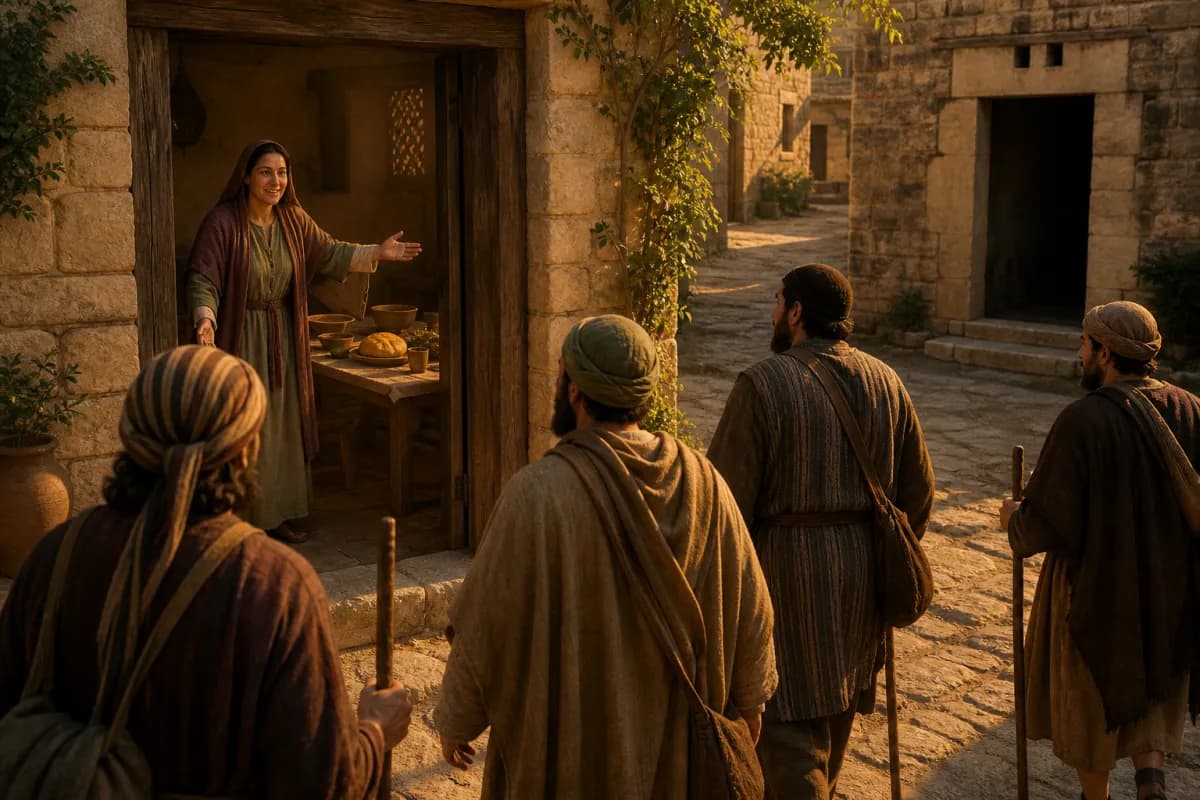
Proverbs 9 brings Wisdom and Folly before the simple with two competing invitations. Wisdom has prepared a house, a table, and messengers who call people to leave immaturity and live; Folly offers stolen water and hidden bread while concealing that her guests are headed for death. The chapter makes the fear of the Lord the beginning of wisdom and directs readers to Christ, who calls sinners from death into the life of His kingdom.
- In this study
- 18 verses · 5 movements
Proverbs 9
9:1Wisdom has built her house. She has carved out her seven pillars.
9:2She has prepared her meat. She has mixed her wine. She has also set her table.
9:3She has sent out her maidens. She cries from the highest places of the city:
9:4“Whoever is simple, let him turn in here!” As for him who is void of understanding, she says to him,
9:5“Come, eat some of my bread, Drink some of the wine which I have mixed!
9:6Leave your simple ways, and live. Walk in the way of understanding.”
9:7One who corrects a mocker invites insult. One who reproves a wicked man invites abuse.
9:8Don’t reprove a scoffer, lest he hate you. Reprove a wise person, and he will love you.
9:9Instruct a wise person, and he will be still wiser. Teach a righteous person, and he will increase in learning.
9:10The fear of the LORD is the beginning of wisdom. The knowledge of the Holy One is understanding.
9:11For by me your days will be multiplied. The years of your life will be increased.
9:12If you are wise, you are wise for yourself. If you mock, you alone will bear it.
9:13The foolish woman is loud, undisciplined, and knows nothing.
9:14She sits at the door of her house, on a seat in the high places of the city,
9:15to call to those who pass by, who go straight on their ways,
9:16“Whoever is simple, let him turn in here.” As for him who is void of understanding, she says to him,
9:17“Stolen water is sweet. Food eaten in secret is pleasant.”
9:18But he doesn’t know that the departed spirits are there, that her guests are in the depths of Sheol.
CONTEXTUAL OVERVIEW
Proverbs 9 closes the opening speeches of the book by setting two women and two meals before the inexperienced. Wisdom has built her house, prepared meat and wine, set her table, and sent maidens to call from the city’s high places. Her invitation is explicit: leave simple ways, walk in the way of insight, and live.
Folly sits at the door of her house and calls from the same high places, but she is loud, ignorant, and deceptive. Her offer of stolen water and bread eaten in secret turns forbidden pleasure into a feast. The final sentence overturns the invitation: the guests do not know that the dead are there and that her callers are in the depths of Sheol.
HISTORICAL AND LITERARY CONTEXT
Like Proverbs 8, this chapter uses literary personification. Wisdom’s seven pillars and prepared banquet are poetic features of her well-established house; the text does not provide an architectural plan or a visible meal for the reader. The banquet contrasts a generous, open invitation to life with Folly’s dependence on what is stolen and hidden.
Verses 7–12 interrupt the two invitations with instruction about correction. A scoffer responds to rebuke with hatred, while a wise person loves correction and grows wiser. The fear of the Lord and knowledge of the Holy One are the beginning of wisdom because wisdom begins by receiving God’s authority rather than defending self-rule.
SECTION-BY-SECTION ANALYSIS
- Verses 1–6 · Proverbs 9:1Wisdom’s prepared feast joins generous welcome with a command to leave the path of immaturity.
- Verses 7–12 · Proverbs 9:10A person’s response to correction reveals whether they fear the Lord or protect their own pride.
- Verses 13–18 · Proverbs 9:17Folly copies Wisdom’s invitation but conceals that stolen, secret pleasure leads to death.
CHRIST IN THIS PASSAGE
Proverbs 9 does not directly identify Wisdom’s banquet with the Lord’s Supper or Folly’s house with one particular sin. The passage’s strongest Christian connection is its genuine invitation from death to life under God’s holy rule. Jesus welcomes sinners, calls them to repent, and gives Himself so that those who were dead in sin may live with Him.
The contrast also clarifies the shape of grace. Christ’s welcome is not secret permission to keep what destroys us. Through His cross He forgives, and through His risen life He leads His people away from the stolen satisfactions of sin into the costly, open fellowship of His kingdom.
REFLECTION
Listen for the two invitations in a decision that promises quick relief. Wisdom speaks openly, receives correction, and leads toward life; Folly makes secrecy sound sweet and hides the end. Ask what you would have to conceal to accept the offer before you decide whether it belongs at Wisdom’s table or Folly’s door.
Receive correction from Scripture and from faithful believers as a gift. If rebuke makes you defensive, bring that reaction to Jesus rather than turning it into contempt for the person who warned you. The fear of the Holy One is the beginning of a life that no longer has to feed on hidden bread.
Original Hebrew Word Study
Proverbs 9:10
יִרְאָה
yirah · H3374
Usually translated: fear, reverence, or awe
Yirah is the starting point of wisdom. Reverence for the Holy One gives true understanding because it places every other desire under God.
Follow the Scripture trail
Two Invitations and the Fear of the Holy One in the larger story
The connection: Proverbs 9 contrasts a truthful invitation that leads to life with a secret counterfeit that ends in death. Jesus gives Himself to bring those dead in sin into His kingdom, where repentance, correction, and fellowship with God become gifts of grace.
Respond to the passage
Name one invitation that feels sweet because it can remain hidden. Bring it into Christ’s light, refuse the next secret step, and receive one specific correction from Scripture or a mature believer as a path toward life.
- What differences do you see between Wisdom’s feast and Folly’s stolen bread?
- Why does Proverbs 9 place teaching about correction between the two invitations?
- How does the fear of the Lord change the way a person receives rebuke?
Prayer
Holy Lord, draw me away from every secret invitation that leads toward death. Through Jesus, teach me to receive Your correction, fear You rightly, and walk in the life You freely give. Amen.