Passage Study
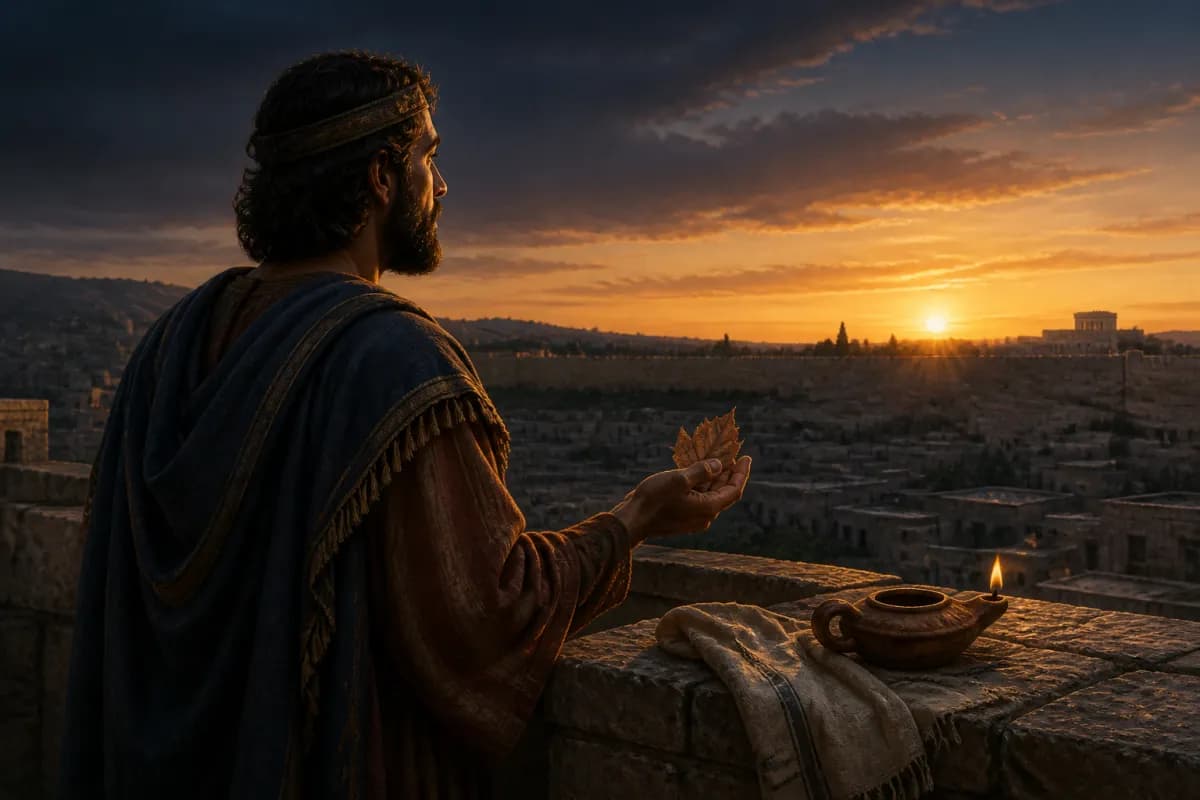
Psalm 39: Learning to Hope While Life Is Only a Breath
Psalms 39:1–39:13
Psalm 39 begins with David trying to restrain his tongue before the wicked, but inward silence makes his anguish burn. He asks the Lord to teach him the measure of his days, recognizes that every human life and anxious accumulation are breath, confesses his transgression, and waits for God alone. Jesus gives this fragile life resurrection hope and frees His people to live before God rather than applause or possessions.
- In this study
- 13 verses · 5 movements
Psalms 39
39:1I said, “I will watch my ways, so that I don’t sin with my tongue. I will keep my mouth with a bridle while the wicked is before me.”
39:2I was mute with silence. I held my peace, even from good. My sorrow was stirred.
39:3My heart was hot within me. While I meditated, the fire burned. I spoke with my tongue:
39:4“LORD, show me my end, what is the measure of my days. Let me know how frail I am.
39:5Behold, you have made my days hand widths. My lifetime is as nothing before you. Surely every man stands as a breath.” Selah.
39:6“Surely every man walks like a shadow. Surely they busy themselves in vain. He heaps up, and doesn’t know who shall gather.
39:7Now, Lord, what do I wait for? My hope is in you.
39:8Deliver me from all my transgressions. Don’t make me the reproach of the foolish.
39:9I was mute. I didn’t open my mouth, because you did it.
39:10Remove your scourge away from me. I am overcome by the blow of your hand.
39:11When you rebuke and correct man for iniquity, you consume his wealth like a moth. Surely every man is but a breath.” Selah.
39:12“Hear my prayer, LORD, and give ear to my cry. Don’t be silent at my tears. For I am a stranger with you, a foreigner, as all my fathers were.
39:13Oh spare me, that I may recover strength, before I go away and exist no more.”
CONTEXTUAL OVERVIEW
Psalm 39 opens with a disciplined intention: David will guard his ways and muzzle his mouth while the wicked are present. But his silence is not peaceful. His heart grows hot, and the fire inside finally becomes prayer. The psalm does not celebrate suppressing emotion; it shows a man taking his unspoken turmoil to the Lord before it becomes sinful speech.
What David asks to know is not someone else’s failure but “the measure of my days.” Human beings stand only a few handbreadths before God, and even a person at full strength is “altogether vanity”—a breath that appears and passes. The sobering image redirects him from restless gathering to the one question that matters: “And now, O Lord, what do I wait for? My hope is in you.”
HISTORICAL AND LITERARY CONTEXT
The superscription connects Psalm 39 with Jeduthun, a Levitical musician named elsewhere in David’s worshiping community. The poem is an individual lament shaped by wisdom: it probes mortality, speech, wealth, divine rebuke, and the posture of a resident who knows he does not own his days. No particular crisis is identified, which allows the psalm to speak whenever loss or pressure exposes human limits.
The supplied note on hevel, breath or vapor, gives verse 5 its force. David does not say human life has no value; he says its apparent solidity is fragile and short-lived. Verses 6–7 therefore challenge the person who heaps up wealth without knowing who will receive it. The answer is not despair but active waiting for the Lord.
SECTION-BY-SECTION ANALYSIS
- Verses 1–3 · Psalms 39:2Guarded silence gives way to prayer when David’s heart burns under pressure.
- Verses 4–6 · Psalms 39:11The Lord is asked to teach David that life, status, and accumulated wealth are as fleeting as breath.
- Verses 7–13 · Psalms 39:1Confession and waiting replace restless striving as David lives before God as a dependent sojourner.
CHRIST IN THIS PASSAGE
Psalm 39 names the death-bound condition Jesus entered without sharing our sin. The eternal Son took mortal flesh, lived obediently within the limits of human days, and faced death so that the brevity David fears would not have the final word for those united to Him. This is a strong thematic connection rather than a direct prediction.
Jesus’ resurrection does not make Psalm 39’s warning about wealth and self-importance less urgent; it makes faithful hope possible. He calls people to seek God’s kingdom rather than store up treasure as if they owned tomorrow. Through His death He forgives the transgressions David confesses, and through His risen life He gives a lasting inheritance to pilgrims who wait for Him.
REFLECTION
Use David’s question as an act of honesty: what are you gathering, managing, or defending as though it could make your life secure? Bring that answer to Jesus. Ask Him to turn the awareness of passing time away from panic and toward a clear, obedient next act of love, generosity, or reconciliation.
If you have been holding back words because you fear saying the wrong thing, follow the psalm’s order. Speak first to God with the heat in your heart, then let His perspective shape your conversation. Christian hope does not deny that days are brief; it learns to spend them under the care of the risen Lord.
Original Hebrew Word Study
Psalm 39:5
הֶבֶל
hevel · H1892
Usually translated: breath, vapor, or transience
Hevel means breath or vapor. Human life is brief and fragile, so the psalm redirects restless striving toward hope in the Lord.
Follow the Scripture trail
Psalm 39: Learning to Hope While Life Is Only a Breath in the larger story
The connection: Psalm 39 teaches a mortal sinner to stop treating wealth, speech, or time as personal possessions and to wait for God. Jesus takes our mortal condition, forgives transgression, rises from death, and gives pilgrims a hope that outlasts the breath of this life.
Respond to the passage
Choose one possession, plan, or reputation you have been gripping tightly. Thank Jesus for it as a gift rather than an identity, then make one concrete choice that shows your hope is in Him instead of in what you can accumulate.
- Why does David bring the heat of his silence to God instead of releasing it before the wicked?
- What does the image of life as breath expose about your current anxieties or ambitions?
- How does the resurrection of Jesus turn mortality from an excuse for despair into a call to hopeful faithfulness?
Prayer
Lord Jesus, teach me to number my days without fear. Forgive the ways I have treated passing things as lasting security, and make my hope rest in Your risen life. Give me wisdom to speak, work, and love as a pilgrim in Your kingdom. Amen.