Passage Study
Mercy Makes a Living Sacrifice and a Publicly Faithful People
Romans 12:1–13:14
Romans 12–13 turns the mercy Paul has celebrated into embodied worship. Believers offer their whole selves to God, receive renewed minds, serve one another with varied gifts, practice sincere love, submit to governing authorities within God’s order, and put on the Lord Jesus Christ. The gospel creates a visible community whose conduct resists revenge, honors neighbors, and awaits the day of salvation.
- In this study
- 35 verses · 5 movements
Romans 12
12:1Therefore I urge you, brothers, by the mercies of God, to present your bodies a living sacrifice, holy, acceptable to God, which is your spiritual service.
12:2Don’t be conformed to this world, but be transformed by the renewing of your mind, so that you may prove what is the good, well-pleasing, and perfect will of God.
12:3For I say through the grace that was given me, to everyone who is among you, not to think of yourself more highly than you ought to think; but to think reasonably, as God has apportioned to each person a measure of faith.
12:4For even as we have many members in one body, and all the members don’t have the same function,
12:5so we, who are many, are one body in Christ, and individually members of one another,
12:6having gifts differing according to the grace that was given to us: if prophecy, let’s prophesy according to the proportion of our faith;
12:7or service, let’s give ourselves to service; or he who teaches, to his teaching;
12:8or he who exhorts, to his exhorting; he who gives, let him do it with generosity; he who rules, with diligence; he who shows mercy, with cheerfulness.
12:9Let love be without hypocrisy. Abhor that which is evil. Cling to that which is good.
12:10In love of the brothers be tenderly affectionate to one another; in honor prefer one another,
12:11not lagging in diligence, fervent in spirit, serving the Lord,
12:12rejoicing in hope, enduring in troubles, continuing steadfastly in prayer,
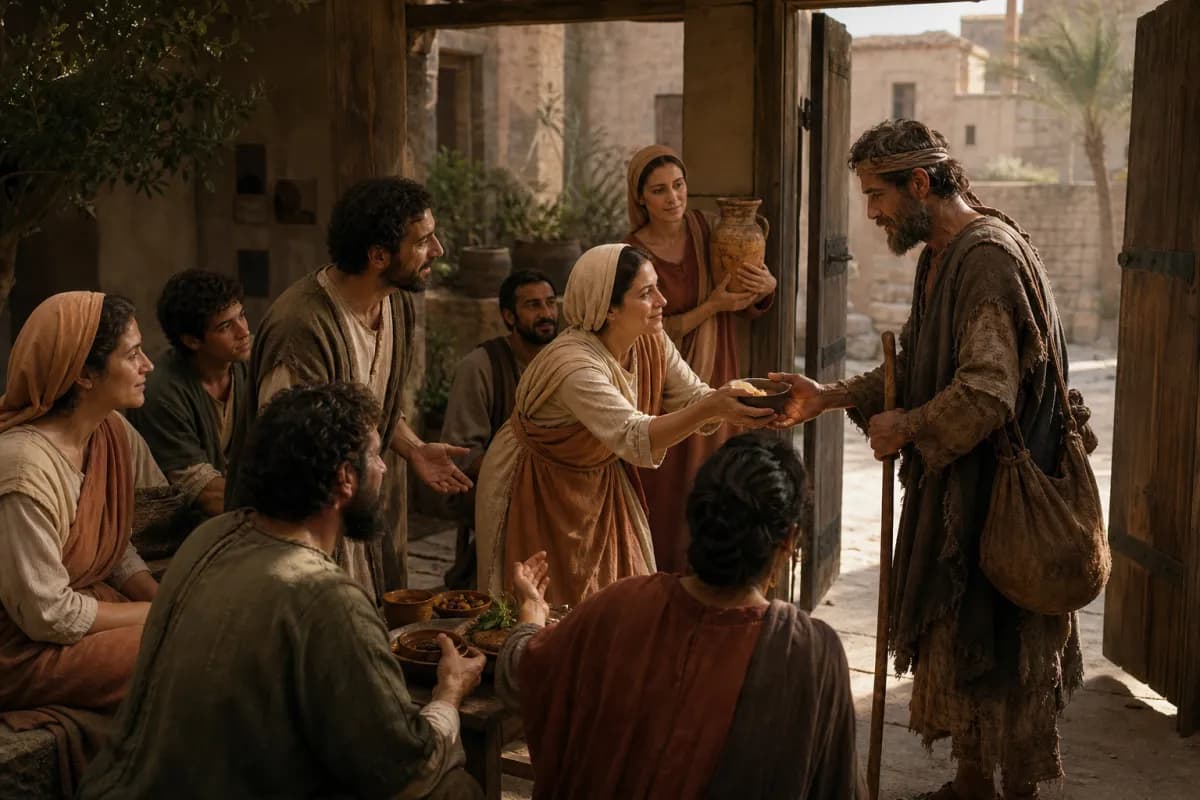
12:13contributing to the needs of the saints, and given to hospitality.
12:14Bless those who persecute you; bless, and don’t curse.
12:15Rejoice with those who rejoice. Weep with those who weep.
12:16Be of the same mind one toward another. Don’t set your mind on high things, but associate with the humble. Don’t be wise in your own conceits.
12:17Repay no one evil for evil. Respect what is honorable in the sight of all men.
12:18If it is possible, as much as it is up to you, be at peace with all men.
12:19Don’t seek revenge yourselves, beloved, but give place to God’s wrath. For it is written, “Vengeance belongs to me; I will repay, says the Lord.”
12:20Therefore “If your enemy is hungry, feed him. If he is thirsty, give him a drink; for in doing so, you will heap coals of fire on his head.”
12:21Don’t be overcome by evil, but overcome evil with good.
Romans 13
13:1Let every soul be in subjection to the higher authorities, for there is no authority except from God, and those who exist are ordained by God.
13:2Therefore he who resists the authority withstands the ordinance of God; and those who withstand will receive to themselves judgment.
13:3For rulers are not a terror to the good work, but to the evil. Do you desire to have no fear of the authority? Do that which is good, and you will have praise from the authority,
13:4for he is a servant of God to you for good. But if you do that which is evil, be afraid, for he doesn’t bear the sword in vain; for he is a servant of God, an avenger for wrath to him who does evil.
13:5Therefore you need to be in subjection, not only because of the wrath, but also for conscience’ sake.
13:6For this reason you also pay taxes, for they are servants of God’s service, continually doing this very thing.
13:7Therefore give everyone what you owe: if you owe taxes, pay taxes; if customs, then customs; if respect, then respect; if honor, then honor.
13:8Owe no one anything, except to love one another; for he who loves his neighbor has fulfilled the law.
13:9For the commandments, “You shall not commit adultery,” “You shall not murder,” “You shall not steal,” “You shall not covet,” and whatever other commandments there are, are all summed up in this saying, namely, “You shall love your neighbor as yourself.”
13:10Love doesn’t harm a neighbor. Love therefore is the fulfillment of the law.
13:11Do this, knowing the time, that it is already time for you to awaken out of sleep, for salvation is now nearer to us than when we first believed.
13:12The night is far gone, and the day is near. Let’s therefore throw off the deeds of darkness, and let’s put on the armor of light.
13:13Let’s walk properly, as in the day; not in reveling and drunkenness, not in sexual promiscuity and lustful acts, and not in strife and jealousy.
13:14But put on the Lord Jesus Christ, and make no provision for the flesh, for its lusts.
CONTEXTUAL OVERVIEW
The first word of Romans 12 is “therefore.” Paul does not begin a new moral program detached from Romans 1–11; he appeals “by the mercies of God.” The same God who justifies the ungodly, gives the Spirit, and displays mercy to Jew and Gentile now receives the daily bodies of believers as a living sacrifice. Worship moves into speech, work, hospitality, retaliation, money, and public responsibility.
The unit is strikingly concrete. Paul speaks of sober self-assessment, prophecy, service, teaching, generosity, leadership, mercy, hospitality, shared weeping, food for an enemy, taxes, debt, and nighttime behavior. The church’s transformed life is neither private spirituality nor a plan to seize control of the state. It is a holy people whose ordinary conduct displays the reign of the crucified and risen Lord.
HISTORICAL AND LITERARY CONTEXT
Romans 12–13 follows Paul’s long argument that Jews and Gentiles receive righteousness on the same basis: faith in Jesus Christ. That shared mercy governs his repeated concern for humility. No member may measure himself as the whole body, because grace distributes different gifts; no believer may repay evil in the name of justice, because vengeance belongs to God; no Christian may treat love as a sentimental preference, because it fulfills the law’s neighbor-directed aim.
Paul’s instructions about governing authorities speak into the real civic life of Christians in imperial Rome. He calls authorities God’s servants for public order and tells believers to pay taxes and honor what is owed. The passage does not describe every conflict between rulers and God’s commands. Its direct burden is to prevent the gospel community from becoming known for needless defiance, while keeping God—not Caesar—as the final source of authority and judgment.
SECTION-BY-SECTION ANALYSIS
- Romans 12:1–8 · Romans 12:1God’s mercies create whole-life worship, renewed judgment, and humble service within one body rather than self-display.
- Romans 12:9–21 · Romans 12:9Sincere love takes the form of hospitality, blessing, shared burdens, enemy care, and patient refusal to avenge oneself.
- Romans 13:1–14 · Romans 13:14Public responsibility and neighbor-love belong together as believers await the day and put on the Lord Jesus Christ.
CHRIST IN THIS PASSAGE
The command to offer ourselves is grounded in Christ’s mercy before it becomes a call to effort. Romans has already named Jesus as the one delivered up for our trespasses and raised for our justification. Therefore Paul can call the church to present living bodies without asking them to repeat Christ’s atoning sacrifice. Their worship is a grateful participation in the life of the One who gave Himself and now reigns.
Jesus also supplies the pattern for the passage’s hardest command: blessing enemies and overcoming evil with good. His saving mission did not evade evil; at the cross He bore sin, refused retaliatory violence, and opened reconciliation for enemies. Paul’s final phrase, “put on the Lord Jesus Christ,” makes the connection explicit. Christian ethics is not self-made respectability; it is a life increasingly shaped by union with the Savior who has claimed His people.
REFLECTION
Name one ordinary part of your body or routine—your speech, screen habits, spending, commute, table, or workday—that you tend to treat as outside worship. Offer that concrete area to God as a living sacrifice. Then ask where pride has made you dismiss a gift in someone else or inflate your own role in the body of Christ.
When an enemy or difficult authority presses you, Romans does not permit revenge dressed up as righteousness. Seek wise, lawful action where needed, but refuse to nurse retaliation. Put on the Lord Jesus Christ in one visible act of neighbor-love this week: pay what you owe, honor a person easily ignored, share a meal, or answer hostility with truthful good.
Original Greek Word Study
Romans 12:1
λατρεία
latreia · G2999
Usually translated: service or worship
Latreia means service or worship. Presenting our bodies as a living sacrifice is the fitting worship that flows from God’s mercies and reshapes everyday life in love and humility.
Follow the Scripture trail
Mercy Makes a Living Sacrifice and a Publicly Faithful People in the larger story
The connection: The mercy displayed in Christ’s death and resurrection creates a people who belong to Him bodily and publicly. Because Jesus reconciled enemies and rose as Lord, believers can offer daily life to God, refuse revenge, love neighbors, and await His coming kingdom without being conformed to the present age.
Respond to the passage
Offer one overlooked area of daily life to God as worship. Thank Jesus that His sacrifice has already secured your acceptance, confess a flesh-driven pattern you have been planning around, and choose one costly act of love toward a neighbor or opponent in His name.
- Why does Paul ground living sacrifice in the mercies of God rather than fear of rejection?
- How do the gifts in Romans 12 challenge both pride and passivity in the church?
- What does putting on the Lord Jesus Christ change about public conduct?
Prayer
Lord Jesus, You gave Yourself for enemies and now call me to live in Your mercy. Renew my mind, make my ordinary life an offering to God, and teach me to overcome evil with the truthful and costly good of Your love. Amen.