Truth-Scrolling

Genesis 1:1–2:3

1 of 876 · Passage study

Creation: The Good World of the Speaking God

Genesis 1:1–2:3 presents the one God ordering an unformed world by His word, blessing living creatures, entrusting His image-bearers with a vocation, and hallowing the seventh day. The passage establishes creation as God’s good gift and sets the stage for Jesus, through whom all things were made and in whom God begins His new creation.

Study this passage →
Genesis 2:4–3:24

2 of 876 · Passage study

The Garden and the First Promise of Rescue

Genesis 2:4–3:24 shows humanity receiving God’s abundant gift, distrusting His word, and losing the fellowship for which it was made. Yet in the judgment God also speaks the first promise that evil will not finally prevail: the woman’s offspring will crush the serpent, opening the Bible’s long road to Jesus Christ.

Study this passage →
Genesis 4:1–4:16

3 of 876 · Passage study

Cain and Abel: Sin at the Door

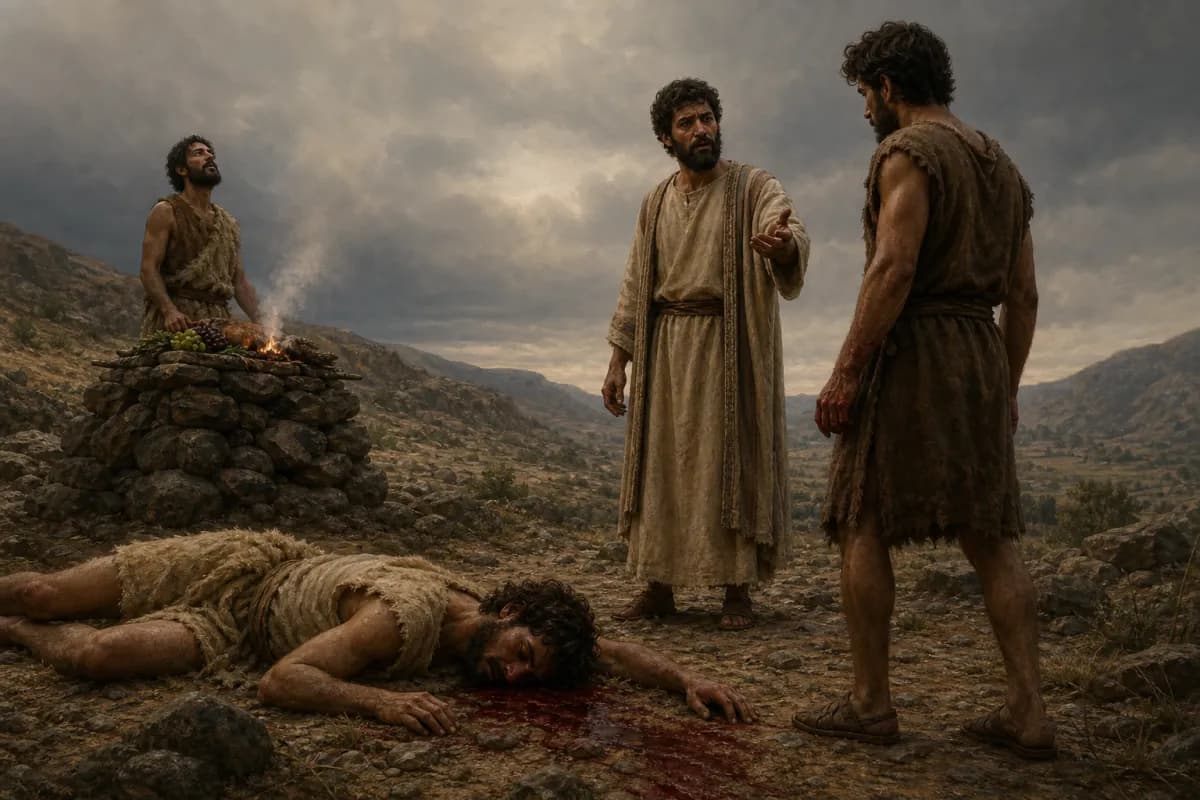
Genesis 4:1–16 shows worship turned into envy, anger, and murder when Cain refuses God’s warning. Abel’s blood cries from the ground, but the story also displays God confronting the guilty man before judgment. It prepares readers to receive Jesus, whose blood speaks a better word of mercy and reconciliation.

Study this passage →
Genesis 4:17–4:18

4 of 876 · Passage study

Cain’s City and the Name of Enoch

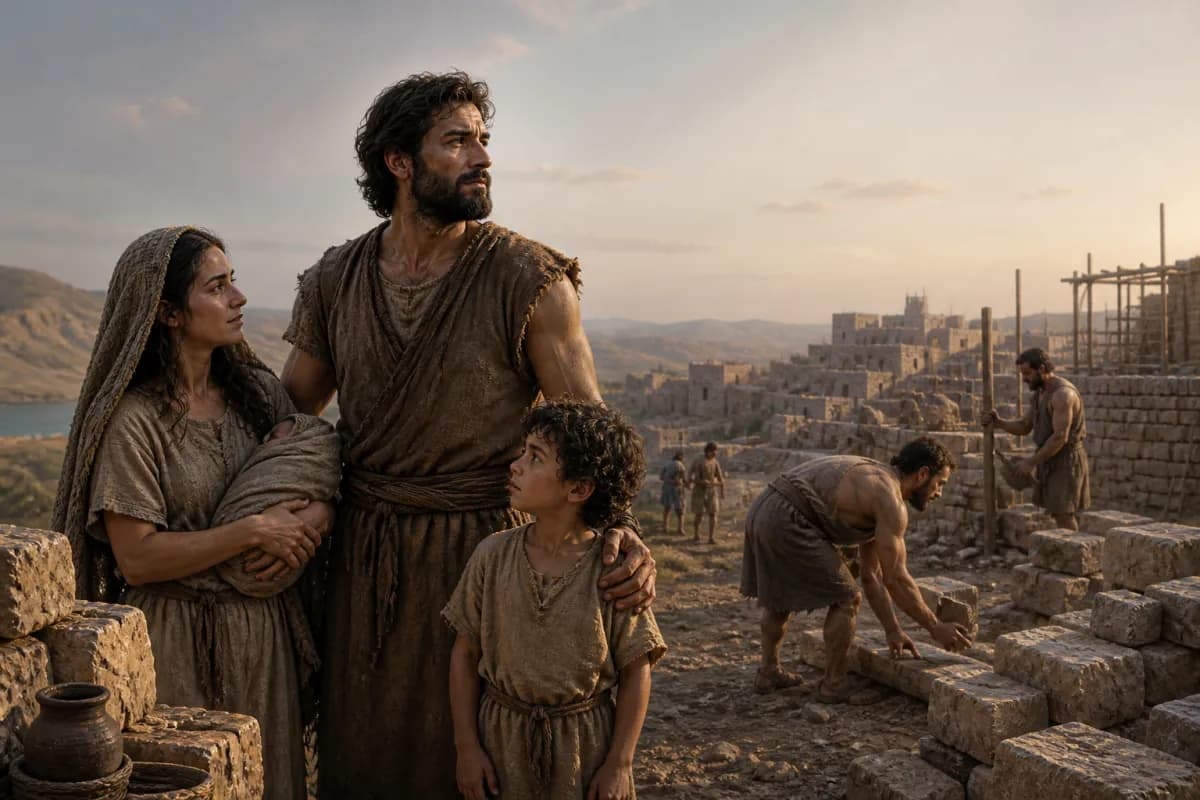
Genesis 4:17–18 records Cain building a city and naming it for his son Enoch. After exile from Eden, human beings still build, name, and establish households, but Genesis keeps Cain’s line inside the story of alienation from God. The passage exposes the limits of self-made security and points toward Jesus, who gathers an enduring city and family by grace.

Study this passage →
Genesis 4:19–4:24

5 of 876 · Passage study

Lamech’s Vengeance: Violence Multiplied

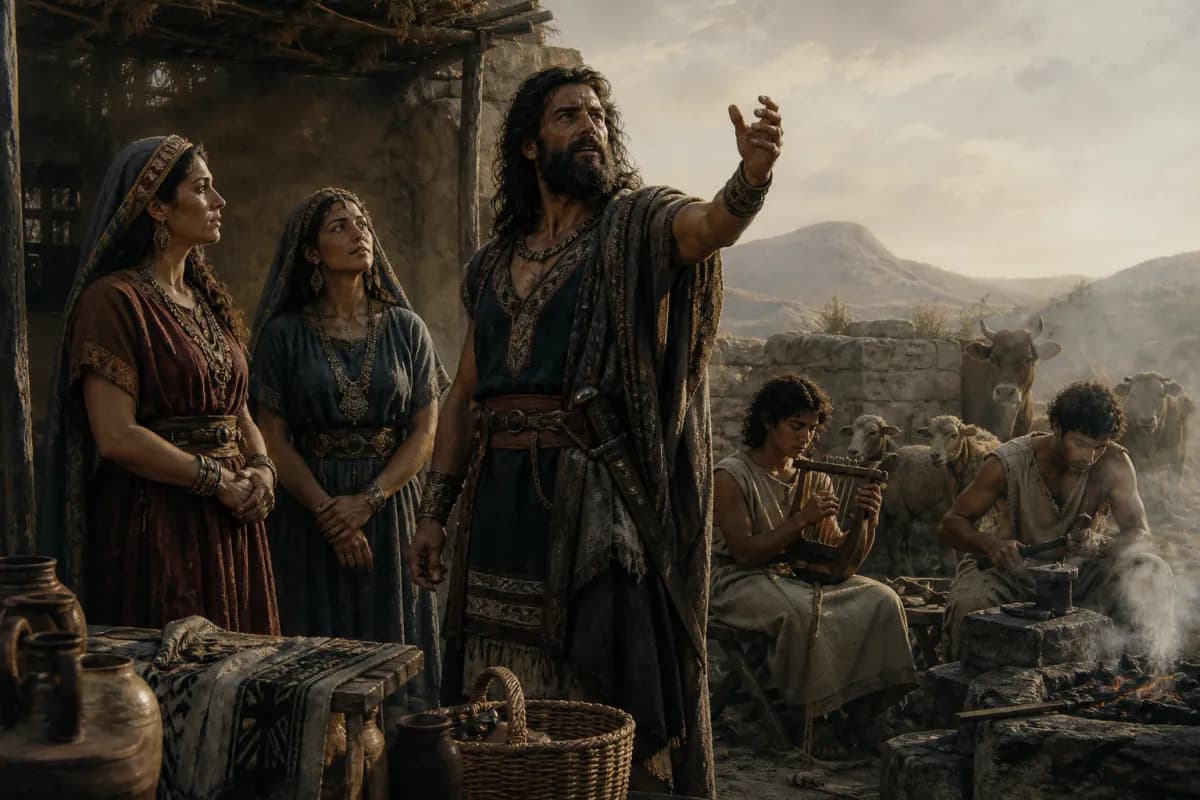
Genesis 4:19–24 shows the violence begun with Cain becoming a boast in Lamech’s household. Lamech turns a measured protection spoken over Cain into a self-exalting threat of seventy-sevenfold retaliation. The passage exposes the escalation of sin and directs readers toward Jesus, who breaks the cycle by teaching costly forgiveness and bearing violence without returning it.

Study this passage →
Genesis 4:25–5:32

6 of 876 · Passage study

Seth’s Line: Calling on the Lord’s Name

Genesis 4:25–5:32 traces the line from Seth to Noah after the violence of Cain’s family. The repeated deaths make the curse of Genesis 3 impossible to ignore, while the birth of Enosh marks the beginning of calling on the Lord’s name. God preserves a worshiping line through whom His promise moves forward toward Christ.

Study this passage →
Genesis 6:1–6:4

7 of 876 · Passage study

The Divine Beings and the Beautiful Daughters: A World Reaching Its Limit

Genesis 6:1–4 gives a compressed and difficult account of human multiplication, the “sons of God,” the “daughters of men,” God’s limit of one hundred twenty years, and the Nephilim. Its immediate purpose is clear even where details are debated: human self-assertion has become grievously disordered, and the flood narrative will reveal God’s holy judgment and preserving mercy.

Study this passage →
Genesis 6:5–9:17

8 of 876 · Passage study

The Flood: Judgment, Rescue, and Covenant Mercy

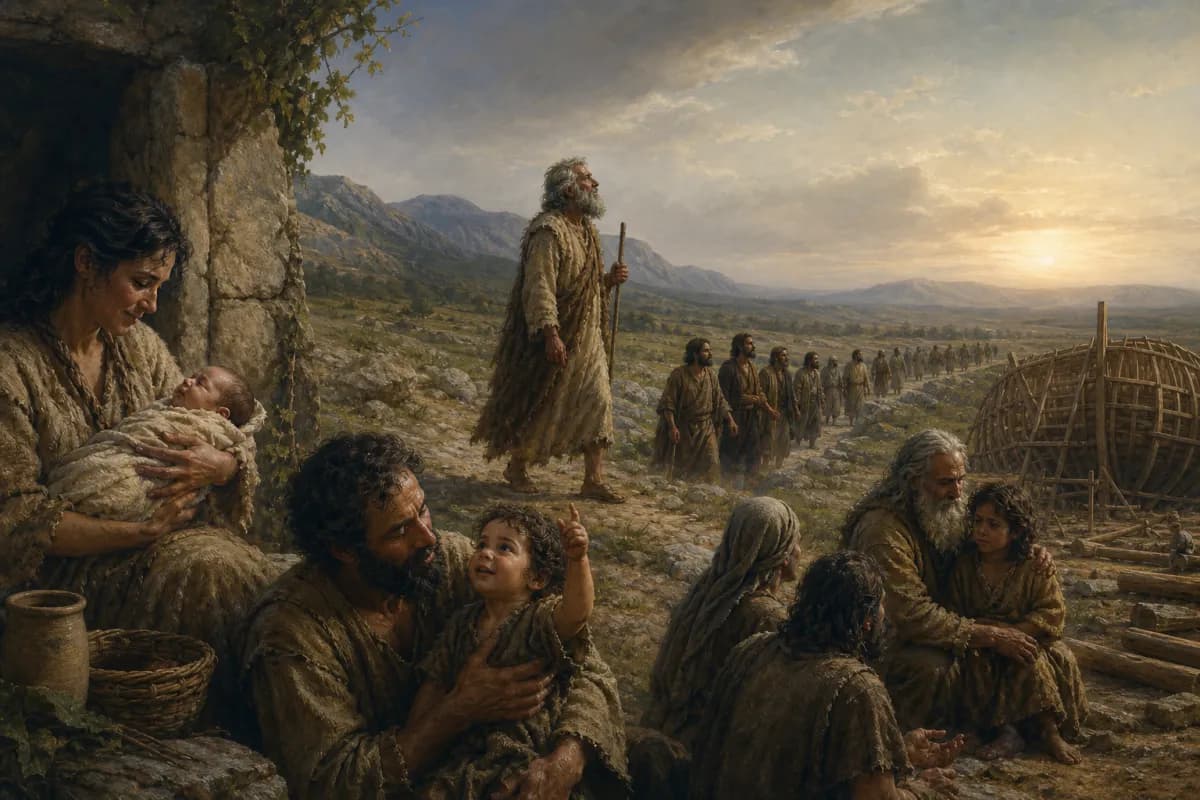
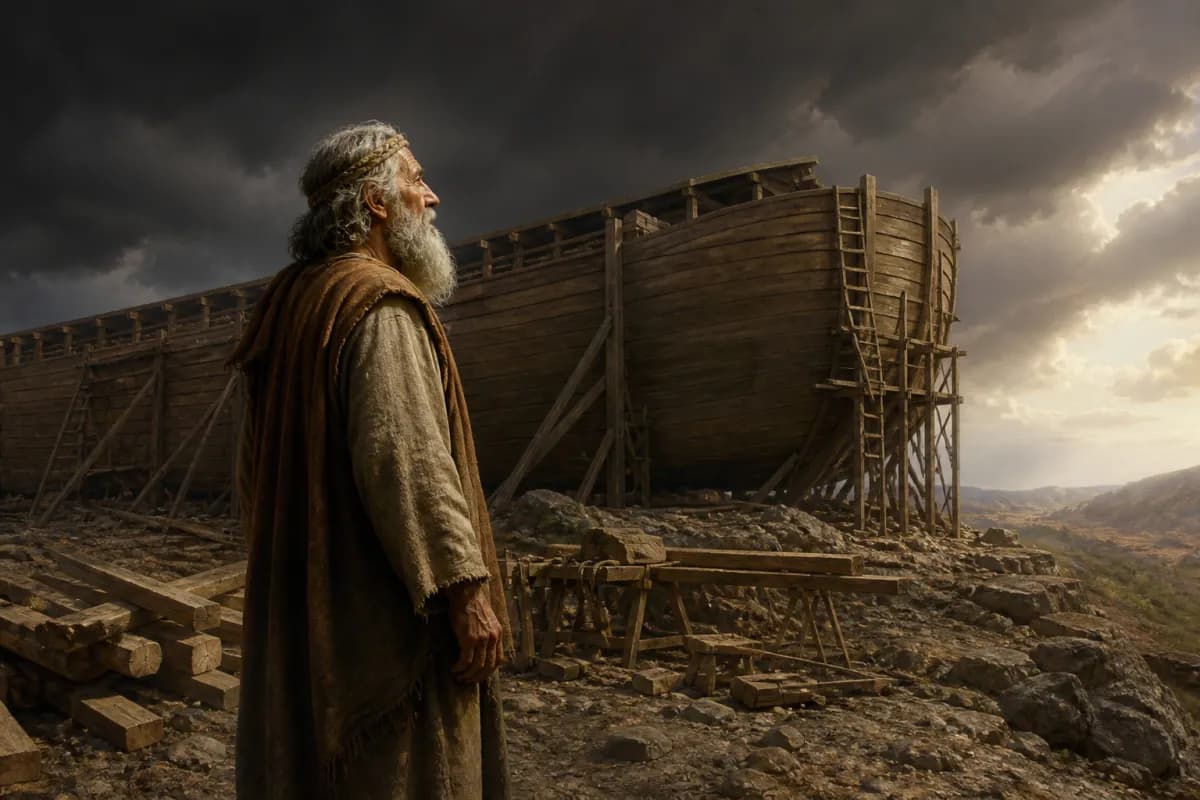
Genesis 6:5–9:17 confronts a world filled with human violence and announces God’s righteous judgment, yet it also shows His preserving mercy through Noah and the ark. The covenant sign after the waters teaches that God remains committed to His creation, preparing the Bible’s larger hope for final judgment, rescue, and new creation in Christ.

Study this passage →
Genesis 9:18–9:19

9 of 876 · Passage study

Noah’s Sons: A Small Family at a New Beginning

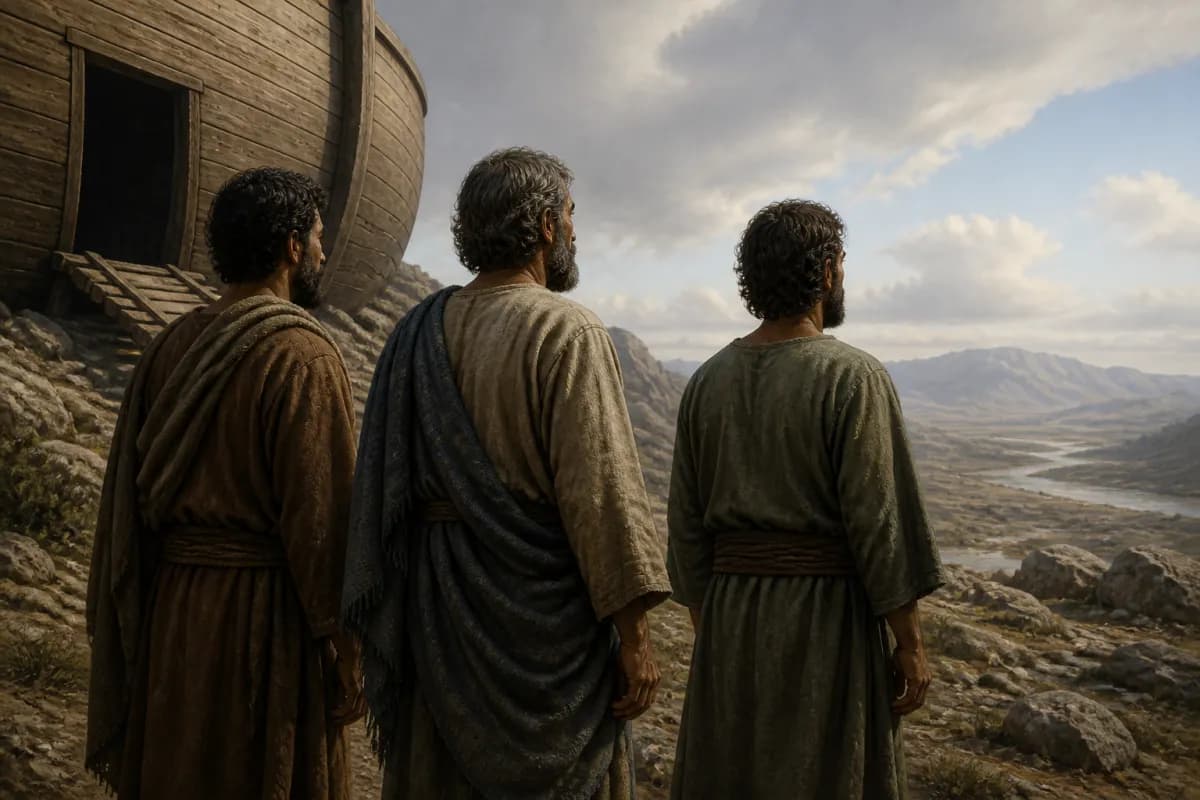
Genesis 9:18–19 names Shem, Ham, and Japheth as Noah’s sons after the flood and identifies Ham as the father of Canaan. The notice is brief, but it establishes the family through whom the earth will be repopulated and introduces the branch that the next scene will address. God’s new beginning remains carried by flawed people, making the need for His final saving work in Jesus unmistakable.

Study this passage →
Genesis 9:20–9:27

10 of 876 · Passage study

Noah’s Vineyard: Grace after the Flood

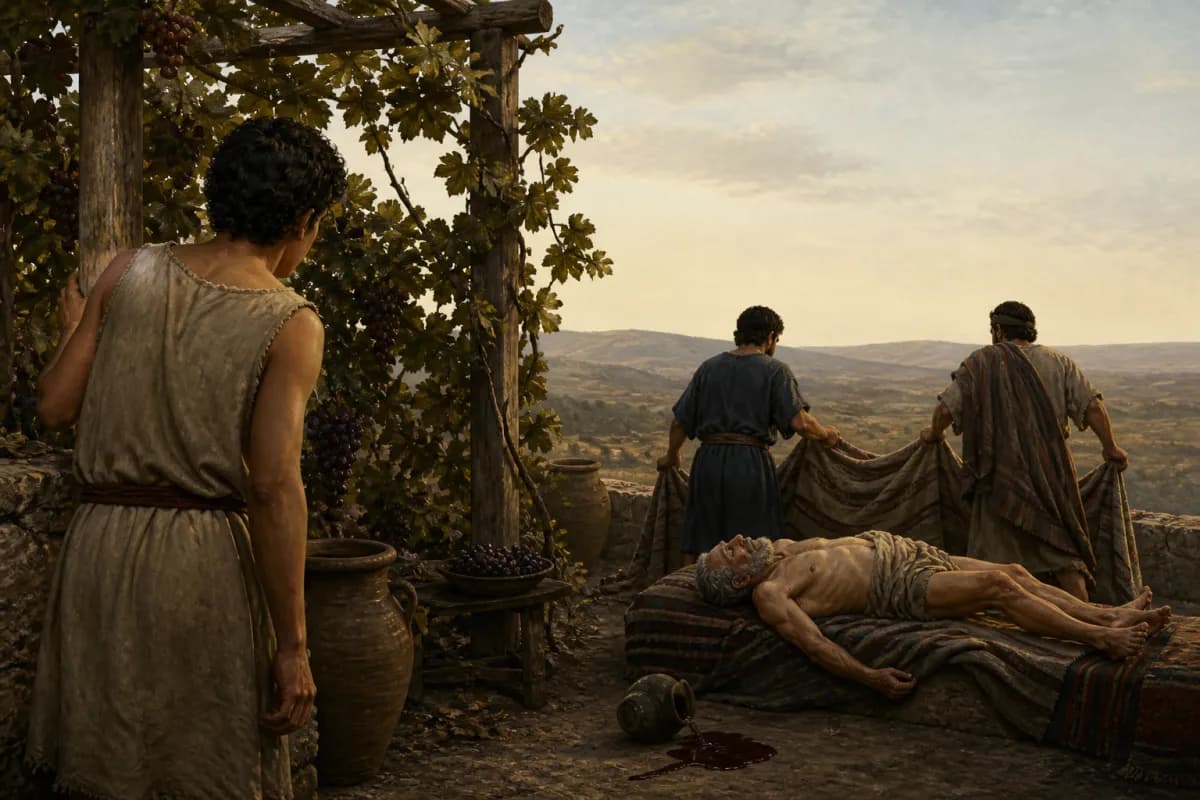
Genesis 9:20–27 shows that a renewed earth has not produced a sinless humanity. Noah’s drunken exposure, Ham’s dishonoring response, and Shem and Japheth’s careful covering reveal shame and family disorder after the flood. God’s covenant mercy preserves the world, but only Christ can finally deal with the sin that survives every fresh start.

Study this passage →
Genesis 9:28–10:32

11 of 876 · Passage study

From Noah to the Nations: One Family Spread Across the Earth

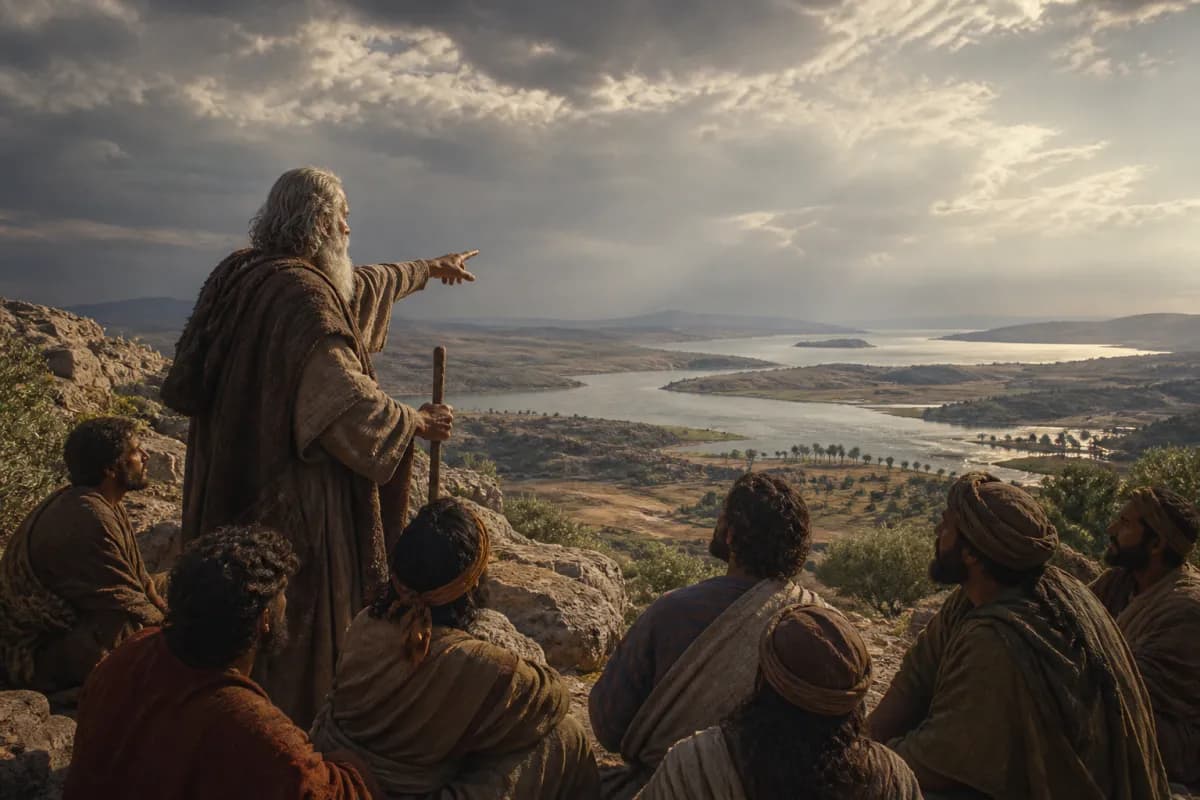
Genesis 9:28–10:32 records Noah’s remaining years and the table of nations descended from Shem, Ham, and Japheth. It maps the ancient world as a family of clans, languages, lands, and peoples under God’s providence, then leads directly to Babel’s scattering. The passage prepares for Jesus’ mission to redeem people from every nation and to unite them in worship without erasing their God-given diversity.

Study this passage →
Genesis 11:1–11:9

12 of 876 · Passage study

Babel: A Name without God

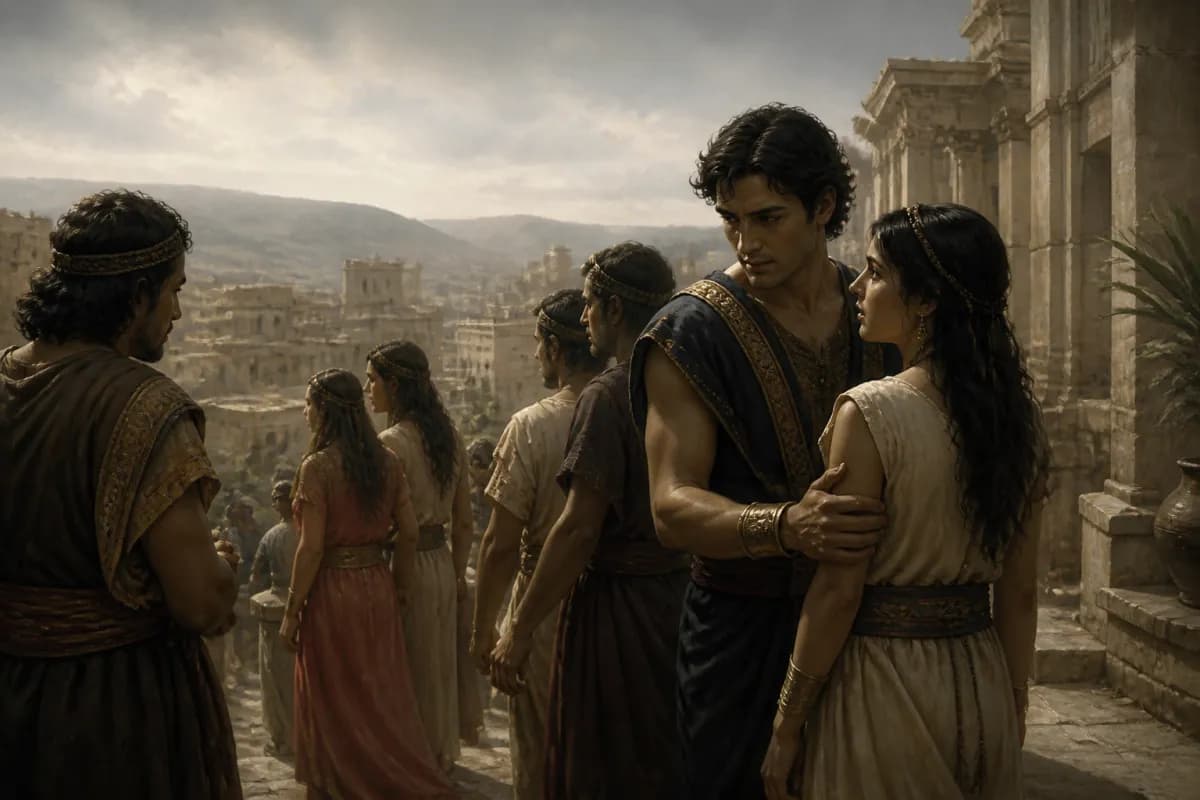
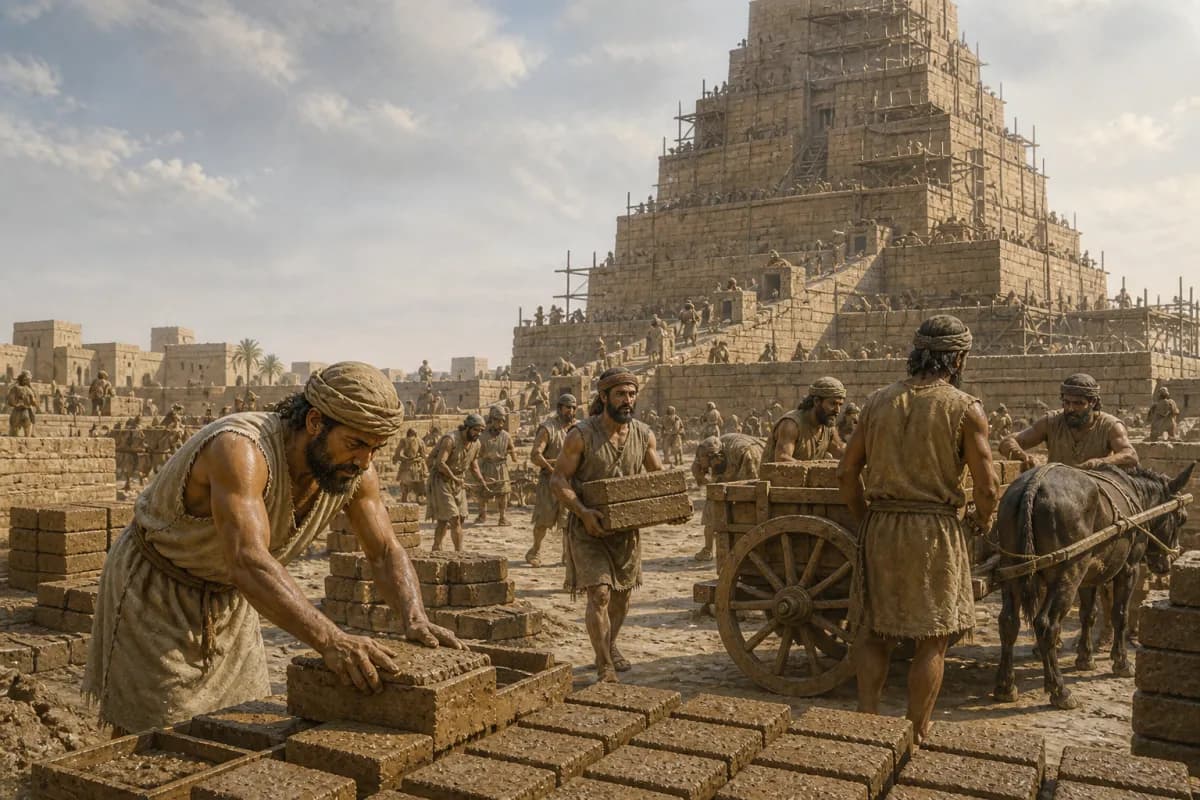
Genesis 11:1–9 portrays a united people using a city and tower to make a name for themselves and prevent their scattering. God confuses their speech and disperses them, exposing the limits of human self-exaltation. The story prepares the way for God’s mission through Abraham and finds its gospel answer in Christ, who gathers divided peoples without making human pride their center.

Study this passage →
Keep scrolling for the next passage.