Truth-Scrolling

Psalms 148:1–148:14

601 of 876 · Passage study

Psalm 148: Heaven and Earth Answer Their Creator

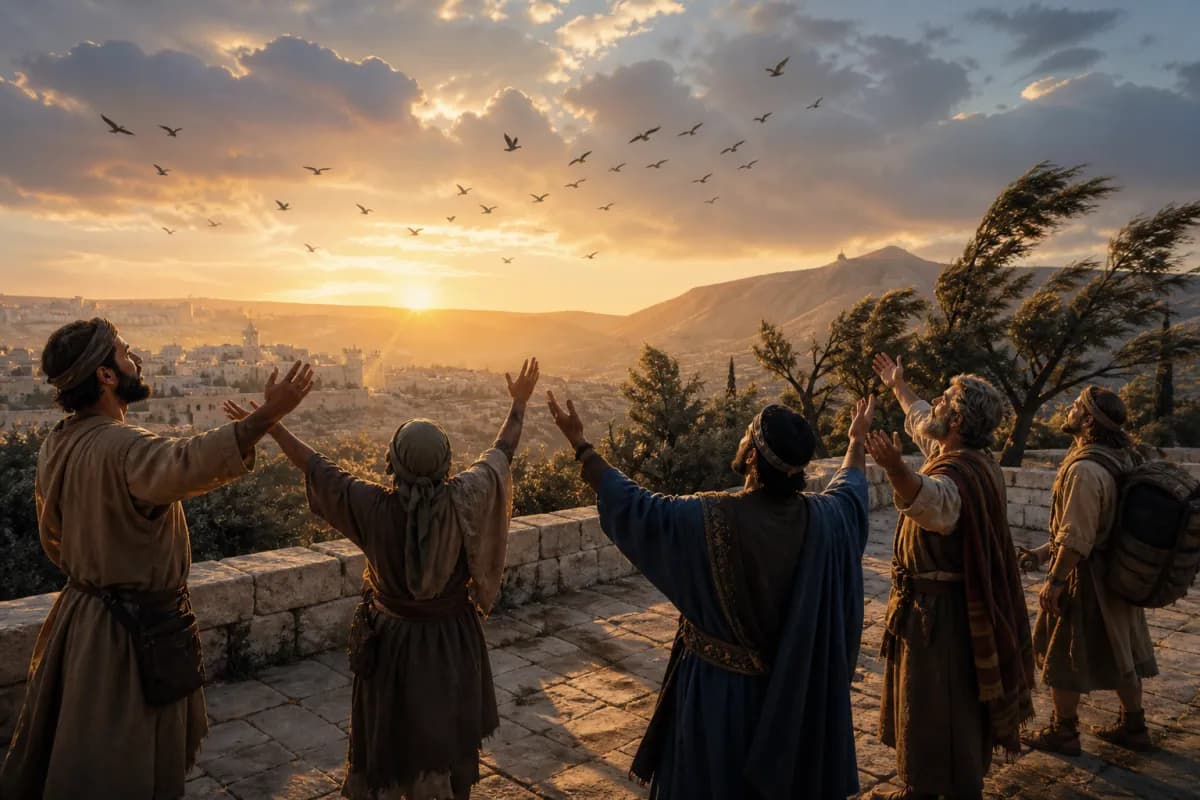
Psalm 148 summons the whole ordered creation to praise the Lord: angels, heavenly lights, waters above the heavens, stormy wind, mountains, animals, rulers, young and old alike. All exist by His command and bear His name alone. The psalm ends with the horn raised for His people; Jesus, through whom all things were made and who gathers a redeemed people, leads creation’s praise toward its final renewal.
Study this passage →
Psalms 149:1–149:9

602 of 876 · Passage study

Psalm 149: The Holy Joy and Final Justice of God’s People

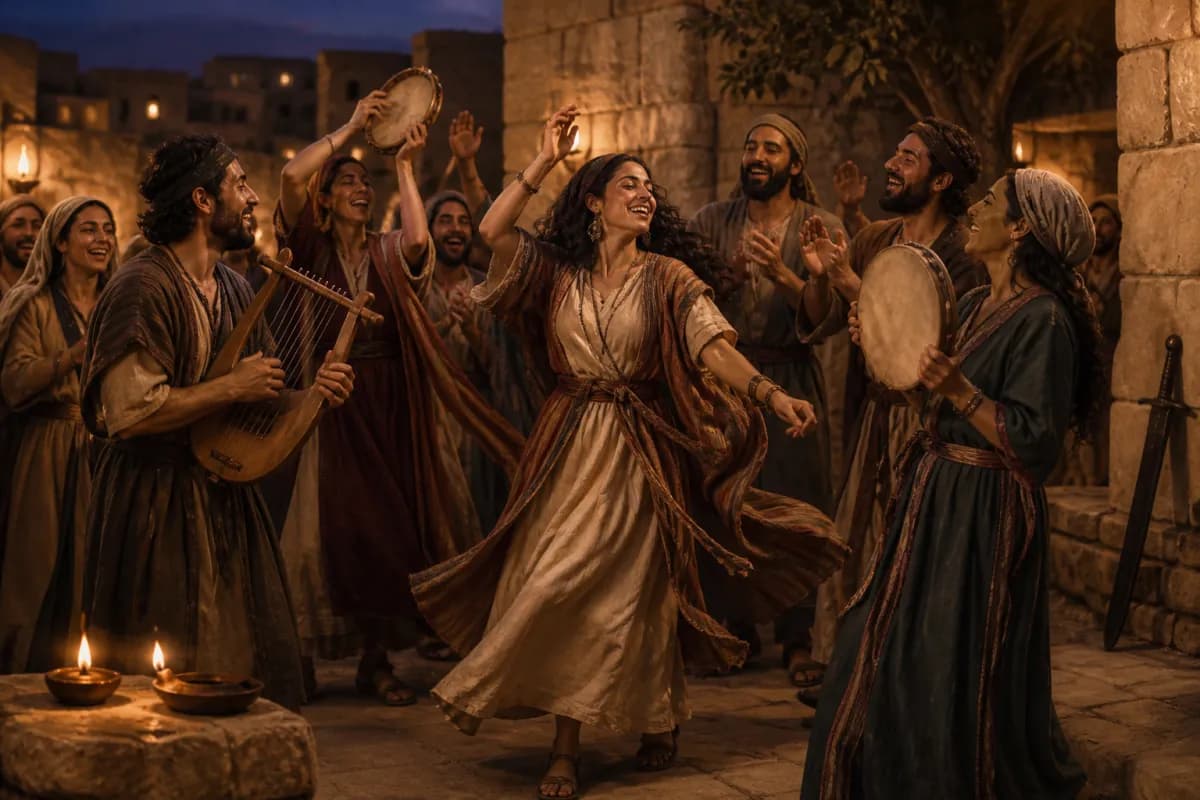
Psalm 149 calls Israel to sing a new song because the Lord delights in His people and adorns the humble with salvation. Dancing, tambourine, lyre, and joyful praise belong to the congregation, yet the psalm’s closing image of swords and judgment places the nations’ rebellion under God’s rule. Jesus saves the humble and will judge evil perfectly, so His church praises, witnesses, and waits without taking final vengeance into its own hands.

Study this passage →
Psalms 150:1–150:6

603 of 876 · Passage study

Psalm 150: Let Everything That Breathes Praise the Lord

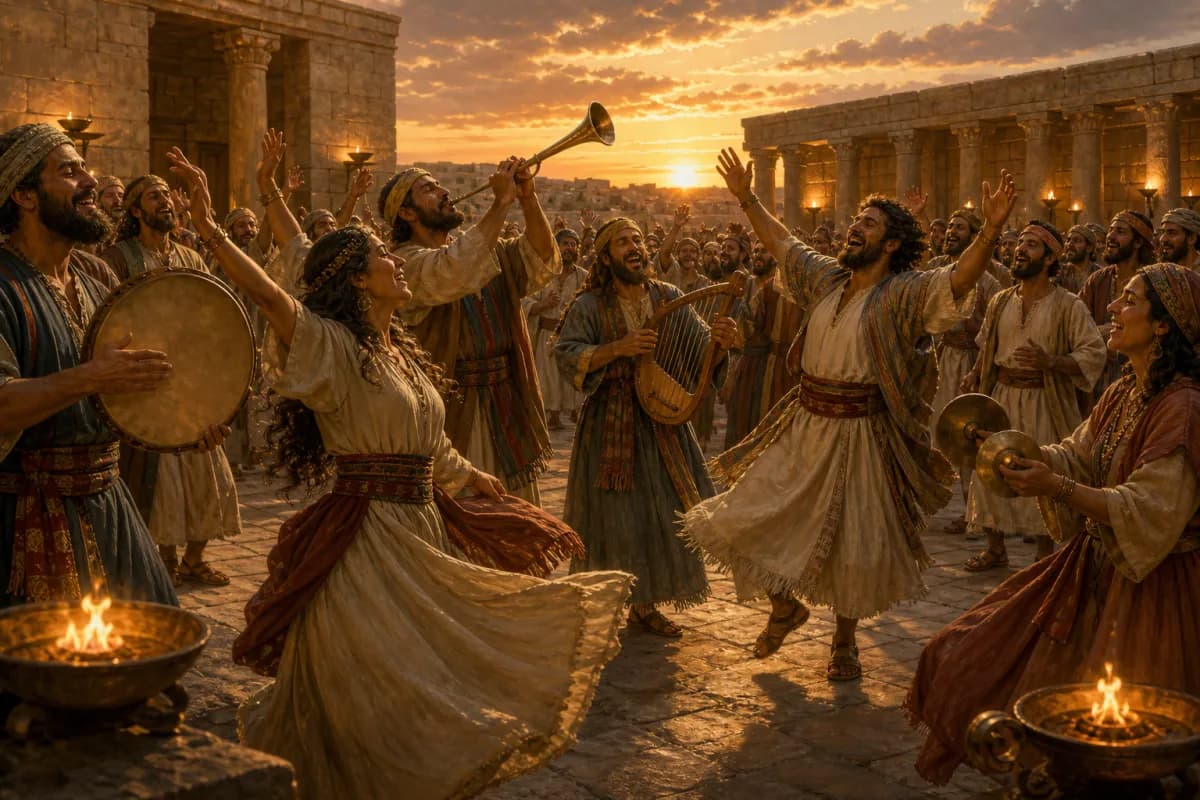
Psalm 150 closes the Psalter with ten urgent calls to praise the Lord: praise Him in His sanctuary and mighty firmament, for His mighty deeds and surpassing greatness, with trumpet, strings, dance, cymbals, and every form of embodied music. The final command gathers every breathing creature into worship. Jesus, whose saving work reveals God’s mighty deeds, brings redeemed people into the praise that will fill the new creation.

Study this passage →
Proverbs 1:1–1:33

604 of 876 · Passage study

The Fear of the Lord against the Enticement of Sinners

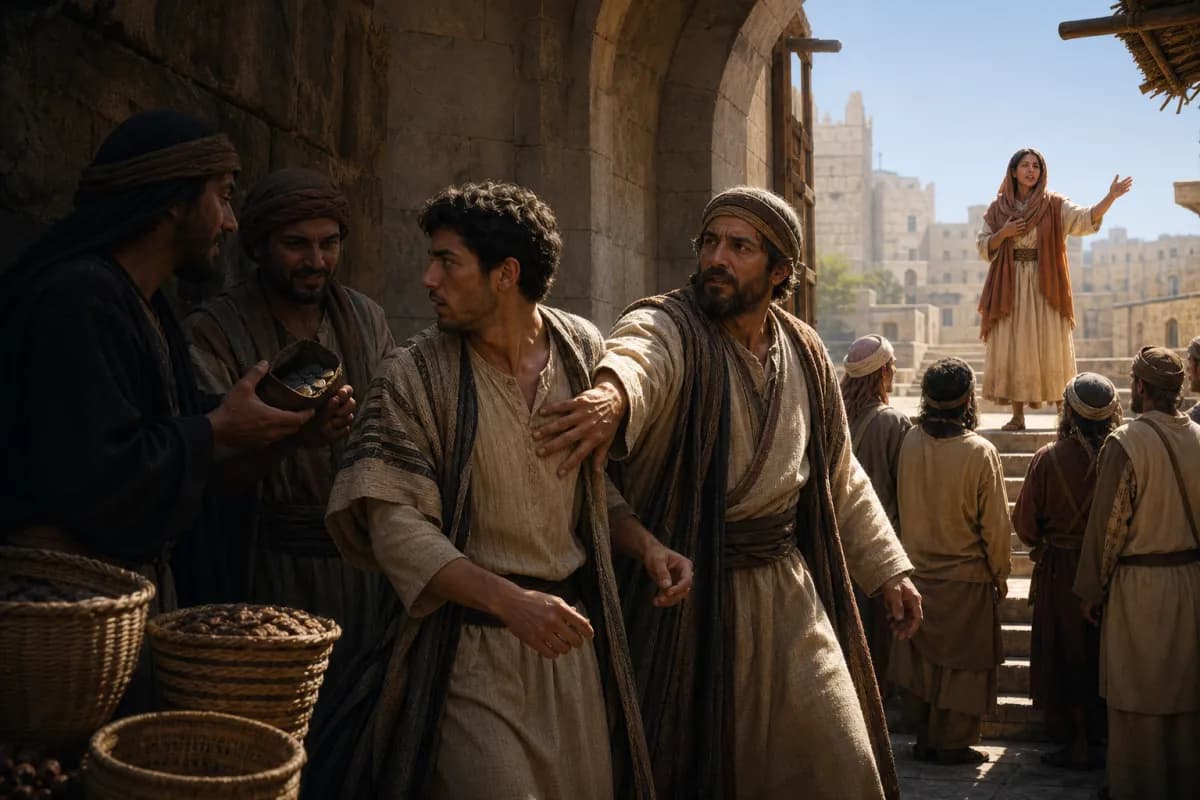
Proverbs 1 opens Solomon’s collection by naming its purpose: to form people who can receive wisdom, righteousness, justice, and sound judgment. Its first command is to fear the Lord, and its first warning concerns companions who invite a son into violent gain. Wisdom then cries in the public streets. The chapter directs readers to Jesus, in whom God gives wisdom and who calls sinners away from the path of death into life with Him.

Study this passage →
Proverbs 2:1–2:22

605 of 876 · Passage study

Seeking Wisdom and Walking the Good Path

Proverbs 2 calls a son to receive, treasure, seek, and cry out for wisdom as eagerly as people hunt for silver. The Lord gives that wisdom, guarding the upright from men who delight in crooked paths and from the forbidden woman whose words lead toward death. In Christ, God gives His people saving wisdom and a new path of holiness, not merely information for avoiding trouble.

Study this passage →
Proverbs 3:1–3:35

606 of 876 · Passage study

Trusting the Lord with the Whole Heart

Proverbs 3 calls a son to keep steadfast love and faithfulness, trust the Lord rather than make his own understanding final, honor God with wealth, and receive the Lord’s discipline as a fatherly act of love. Wisdom is pictured as more precious than silver and as a tree of life. The chapter points to Jesus, who brings believers to the Father and forms them through grace into a life of trusting obedience.

Study this passage →
Proverbs 4:1–4:27

607 of 876 · Passage study

Guard Your Heart and Keep the Straight Path

Proverbs 4 passes wisdom from a father to his children and sets two roads before them: the path of the righteous that grows brighter and the way of the wicked that stumbles in darkness. The father especially commands, “guard your heart,” because life’s direction flows from its inner center. Jesus renews the heart and leads His people from darkness into the path of life through His saving grace and truthful commands.

Study this passage →
Proverbs 5:1–5:23

608 of 876 · Passage study

Faithful Love against the Smooth Words of Adultery

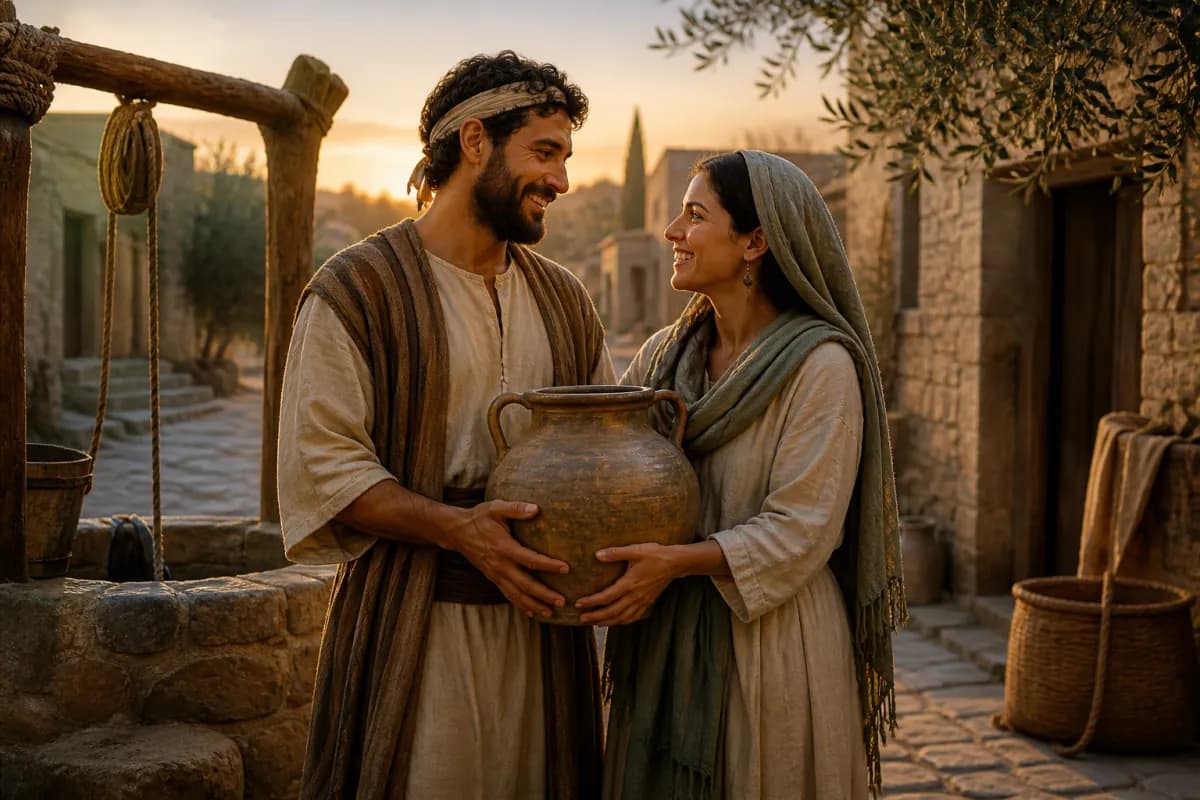
Proverbs 5 warns a son to keep wisdom near because the smooth words of a forbidden woman conceal a path that ends in bitterness, loss, and death. Rather than merely forbidding adultery, the chapter commends joyful, exclusive delight in one’s own spouse and closes before the searching eyes of the Lord. It directs readers to Jesus, who forgives sexual sin, creates a holy people, and gives His covenant love as the pattern for faithful marriage.

Study this passage →
Proverbs 6:1–6:35

609 of 876 · Passage study

Wise Boundaries, Honest Work, and Faithful Desire

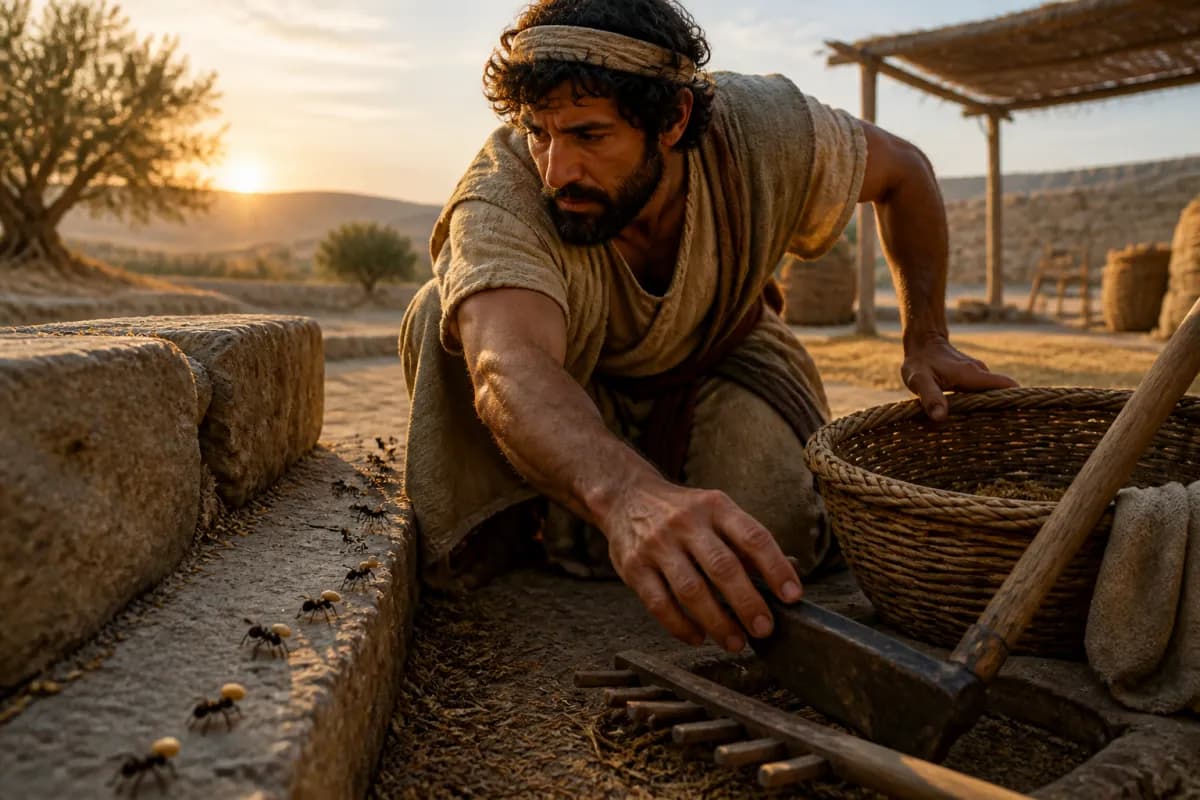
Proverbs 6 gathers four urgent fatherly warnings: do not become trapped by a reckless pledge, learn foresight from the ant, recognize the destructive habits of a crooked person, and flee a neighbor’s wife. These are not disconnected rules. They show that wisdom protects covenant faithfulness in money, work, speech, and desire. Christ forgives the tangled sinner and forms His people to live freely and truthfully before God.

Study this passage →
Proverbs 7:1–7:27

610 of 876 · Passage study

Keep Wisdom Near and Flee the Road to Her House

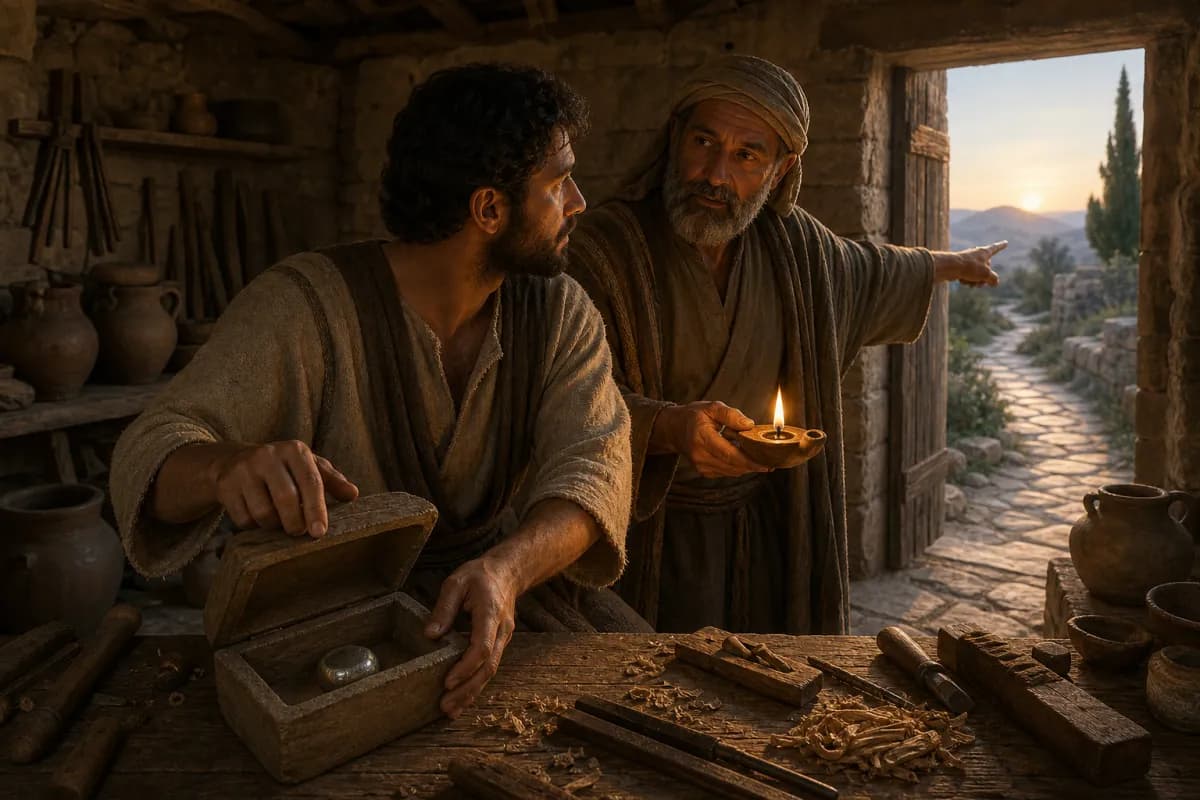
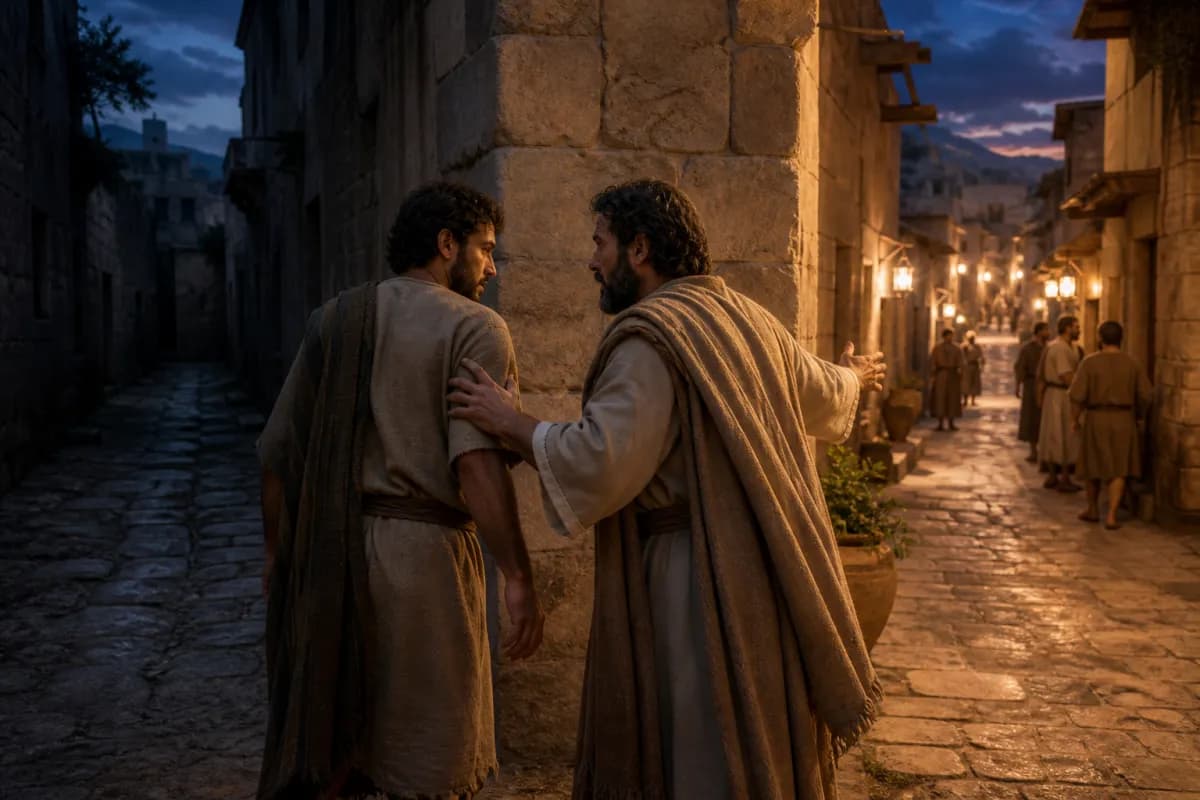
Proverbs 7 dramatizes a father’s warning through the story of an inexperienced young man who walks toward the corner of a married woman and yields to her persuasive invitation. The chapter locates danger before the final act: he has not kept wisdom close, and he chooses the road near her house at night. Jesus rescues sexual sinners and calls His people into watchful, truthful holiness.

Study this passage →
Proverbs 8:1–8:36

611 of 876 · Passage study

Wisdom’s Public Call and the Joy of God’s Ordered World

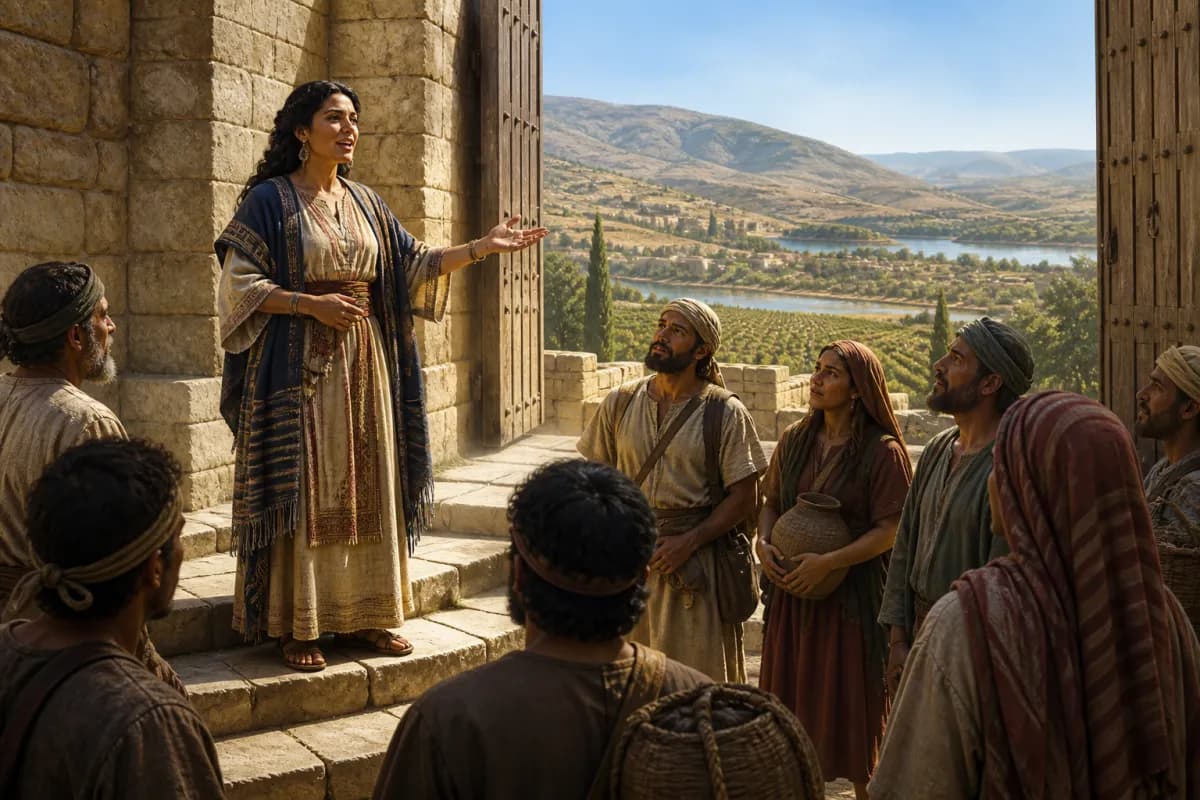
Proverbs 8 portrays Wisdom calling publicly at gates, crossroads, and city entrances. She offers truth, righteous speech, prudent counsel, and a life that is better than silver or gold. Her joy beside the Lord in the ordering of creation grounds wisdom in God’s good rule, while her final warning makes response urgent. Jesus is not simply equated with this personified voice, yet the New Testament identifies Him as God’s wisdom and as the One through whom all things hold together.

Study this passage →
Proverbs 9:1–9:18

612 of 876 · Passage study

Two Invitations and the Fear of the Holy One

Proverbs 9 brings Wisdom and Folly before the simple with two competing invitations. Wisdom has prepared a house, a table, and messengers who call people to leave immaturity and live; Folly offers stolen water and hidden bread while concealing that her guests are headed for death. The chapter makes the fear of the Lord the beginning of wisdom and directs readers to Christ, who calls sinners from death into the life of His kingdom.

Study this passage →
Keep scrolling for the next passage.