Truth-Scrolling

Psalms 4:1–4:8

457 of 876 · Passage study

Psalm 4: Peace When Others Chase Empty Gain

Psalm 4 is an evening prayer in which David asks God to answer him, confronts people who turn his honor to shame, and refuses their pursuit of empty gain. He calls them to tremble, search their hearts, and offer right sacrifices, then rests in the Lord’s gift of security. In Jesus, believers receive peace with God and learn to seek His face rather than the prosperity that cannot keep the heart safe.


Study this passage →
Psalms 5:1–5:12

458 of 876 · Passage study

Psalm 5: Morning Prayer Before the Holy King

Psalm 5 opens with David arranging his prayer before the Lord each morning because God does not delight in wickedness. The psalm contrasts boastful liars and violent deceivers with the worshiper who enters God’s house through abundant steadfast love. Jesus brings guilty people near through His sacrifice and leads them in righteousness amid a world still marked by deceit and hostility.

Study this passage →
Psalms 6:1–6:10

459 of 876 · Passage study

Psalm 6: Mercy for a Body and Soul Worn Down

Psalm 6 is David’s plea for mercy when God’s rebuke, bodily weakness, grief, and enemies have left him exhausted. He asks the Lord to turn, save, and heal him for the sake of steadfast love, then receives confidence that God has heard his weeping. Jesus enters human suffering, bears sin’s judgment, and hears the cry of those who come to Him for mercy.

Study this passage →
Psalms 7:1–7:17

460 of 876 · Passage study

Psalm 7: The Righteous Judge and the Innocent Appeal

Psalm 7 is David’s appeal to the Lord when Cush the Benjaminite accuses or pursues him. David asks God to rescue him from a lion-like enemy, invites divine examination of his conduct, and trusts the Judge of all peoples to expose wicked schemes. The psalm finds its ultimate hope in Jesus, the righteous and falsely accused King, who bears judgment for sinners and will judge the world with justice.

Study this passage →
Psalms 8:1–8:9

461 of 876 · Passage study

The Majestic Lord and Humanity’s Entrusted Vocation

Psalm 8 marvels that the majestic Creator notices frail human beings and gives them a dignified vocation beneath His rule. It directs readers to Jesus, the true human ruler who entered suffering, was crowned with glory, and restores the human calling to reflect God’s wise care in the world.

Study this passage →
Psalms 9:1–9:20

462 of 876 · Passage study

Psalm 9: The Just King Remembers the Oppressed

Psalm 9 gives thanks because the Lord has rebuked hostile nations, upheld the psalmist’s cause, and taken His seat as the righteous Judge. His throne is not distant from suffering: He is a stronghold for the oppressed and does not forget the cry of the afflicted. In Jesus, God’s righteous judgment and saving mercy meet, giving the needy a sure hope.

Study this passage →
Psalms 10:1–10:18

463 of 876 · Passage study

Psalm 10: When the Wicked Seem Beyond Reach

Psalm 10 gives voice to the anguish of God seeming far away while the wicked hunt the poor, boast of desire, and assume that no Judge sees them. The prayer does not settle for that appearance: it calls the Lord to arise, to remember the helpless, and to break oppressive power. Jesus reveals the King who sees the hidden, receives the lowly, and will end arrogant evil.

Study this passage →
Psalms 11:1–11:7

464 of 876 · Passage study

Psalm 11: The Lord Still Sees When Foundations Shake

Psalm 11 answers fearful advice to flee when the wicked draw the bow in darkness and the foundations of justice seem ruined. David’s confidence is not in a safe hiding place but in the Lord, who is in His holy temple, sees every human being, tests the righteous and wicked, and loves what is just. Jesus endured secret hostility and brings His people before the face of the righteous God.

Study this passage →
Psalms 12:1–12:8

465 of 876 · Passage study

Psalm 12: Pure Words in a World of Flattery

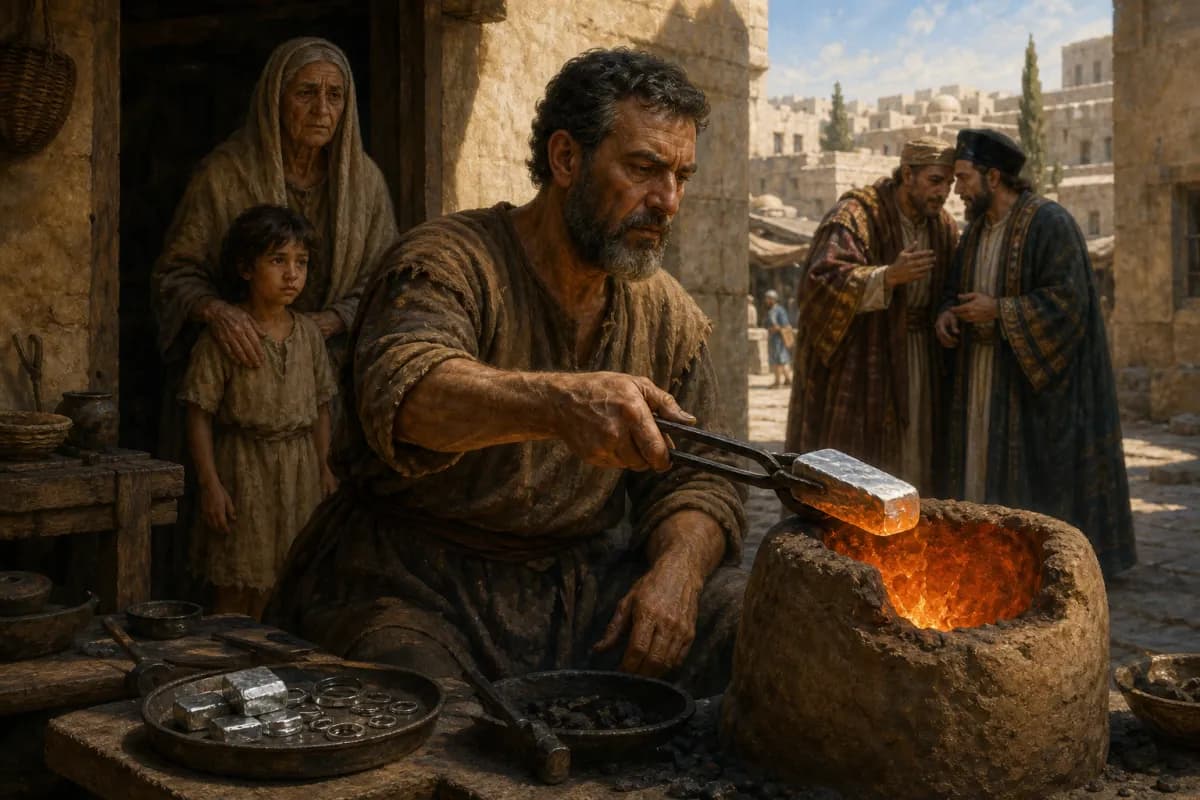
Psalm 12 laments a society where the faithful seem to disappear and people use flattering lips, double hearts, and boastful speech to dominate their neighbors. Against those unstable words, the Lord promises to arise for the poor and needy, and His words are pure like silver refined seven times. Jesus speaks truth without deceit and saves His people from sin’s destructive lies.

Study this passage →
Psalms 13:1–13:6

466 of 876 · Passage study

Psalm 13: How Long Until Your Steadfast Love Turns the Lament?

Psalm 13 compresses the whole movement of lament into six verses: David asks how long God will seem to forget him, brings his sorrow and enemy’s threat before the Lord, asks God to look and answer, and chooses trust in steadfast love. Jesus enters the anguish of apparent abandonment, defeats death, and gives His people reason to sing even while the answer is still awaited.

Study this passage →
Psalms 14:1–14:7

467 of 876 · Passage study

Psalm 14: When God Looks Down on a Corrupt World

Psalm 14 exposes the moral folly of living as though God were absent. As God looks down and finds no one who does good, the psalm also names His presence with the righteous and ends by longing for salvation from Zion. Paul uses its verdict to show the universal need for the righteousness God gives through Jesus Christ.

Study this passage →
Psalms 15:1–15:5

468 of 876 · Passage study

Psalm 15: Who May Dwell on God’s Holy Hill?

Psalm 15 asks who may live near the holy Lord and answers with a portrait of integrity that joins worship to truthful speech, neighbor-love, honest business, and costly faithfulness. Jesus alone embodies this whole-hearted righteousness, and by His sacrifice He brings compromised people near to God and forms them into a people whose daily conduct fits His presence.

Study this passage →
Keep scrolling for the next passage.