Truth-Scrolling

Romans 7:1–8:39

793 of 876 · Passage study

No Condemnation and Life in the Spirit

Romans 7:1–8:39 explains how believers are released from the law’s condemning jurisdiction through union with Christ and brought into the Spirit’s life. The law is holy but exposes sin’s power and cannot liberate the divided self. God accomplishes what the law could not by sending His Son as a sin offering. The Spirit gives adoption, helps believers in weakness, conforms them to Christ, and secures them in God’s inseparable love.
Study this passage →
Romans 9:1–11:36

794 of 876 · Passage study

God’s Mercy Keeps His Promise and Gathers the Nations

Romans 9–11 faces the painful question raised by widespread Jewish unbelief: has God’s word failed? Paul answers no. God’s mercy has always distinguished the children of promise from merely physical descent, Christ is the goal of the law for righteousness to everyone who believes, and Israel’s present stumbling has opened a mission to the nations without canceling God’s covenant faithfulness.

Study this passage →
Romans 12:1–13:14

795 of 876 · Passage study

Mercy Makes a Living Sacrifice and a Publicly Faithful People

Romans 12–13 turns the mercy Paul has celebrated into embodied worship. Believers offer their whole selves to God, receive renewed minds, serve one another with varied gifts, practice sincere love, submit to governing authorities within God’s order, and put on the Lord Jesus Christ. The gospel creates a visible community whose conduct resists revenge, honors neighbors, and awaits the day of salvation.

Study this passage →
Romans 14:1–15:13

796 of 876 · Passage study

Welcome One Another as Christ Welcomed You

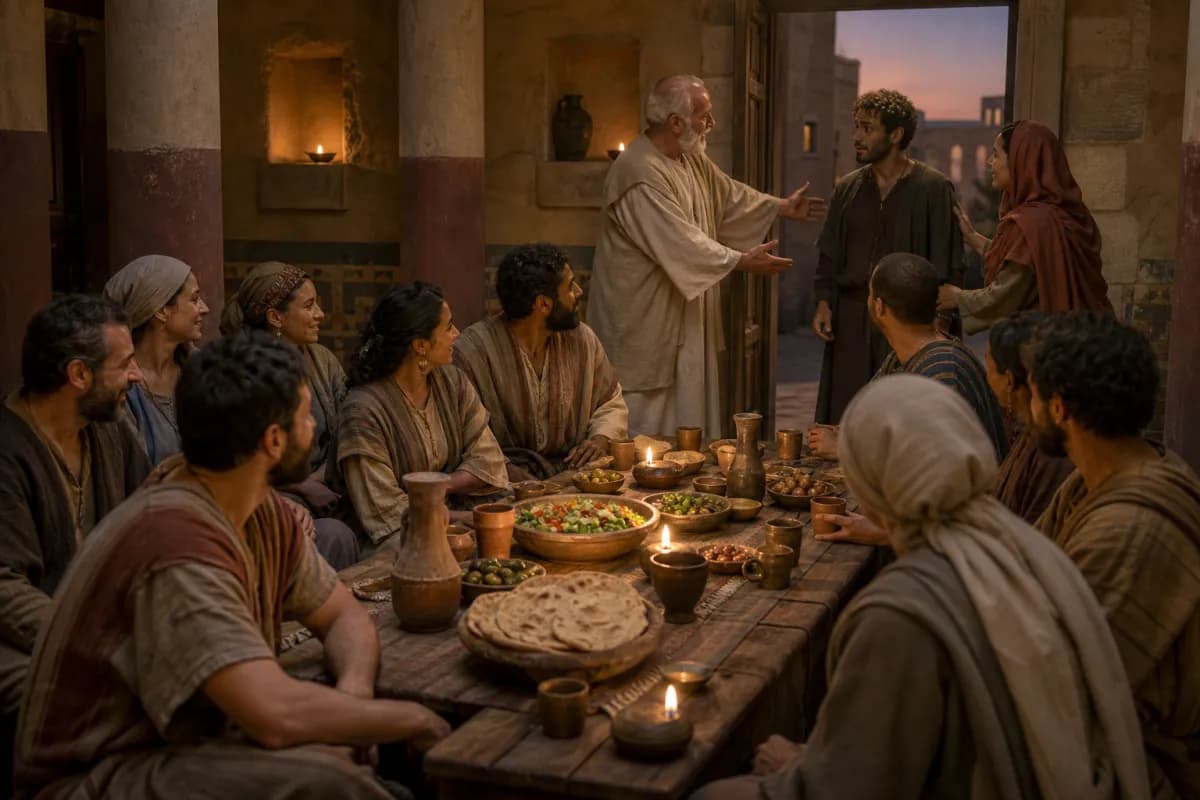
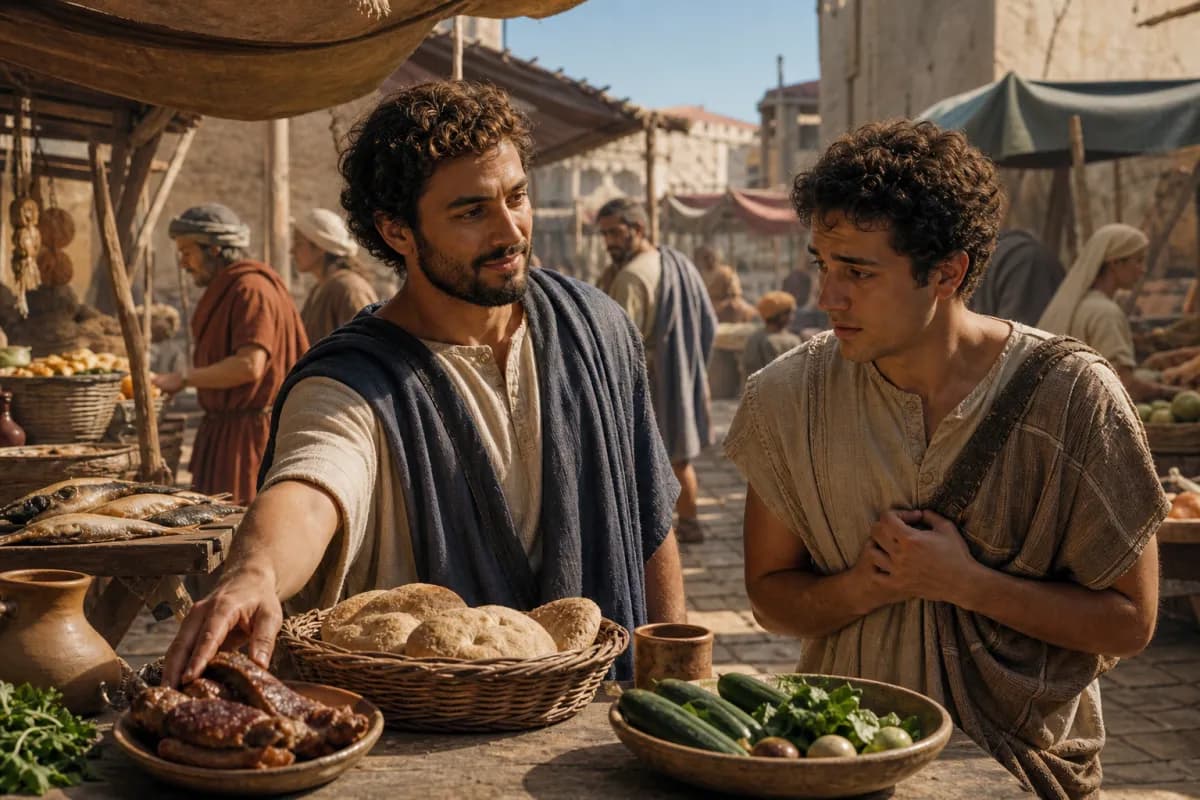
Romans 14:1–15:13 teaches a divided church how to live together when believers hold different convictions about food, days, and practices not required for salvation. The strong must not despise the weak, the weak must not judge the strong, and neither may wound a brother or sister for whom Christ died. Jesus’ self-giving welcome becomes the measure of unity as Jewish and Gentile believers glorify God with one voice.

Study this passage →
Romans 15:14–16:27

797 of 876 · Passage study

The Gospel’s Mission Creates a Family That Serves and Sends

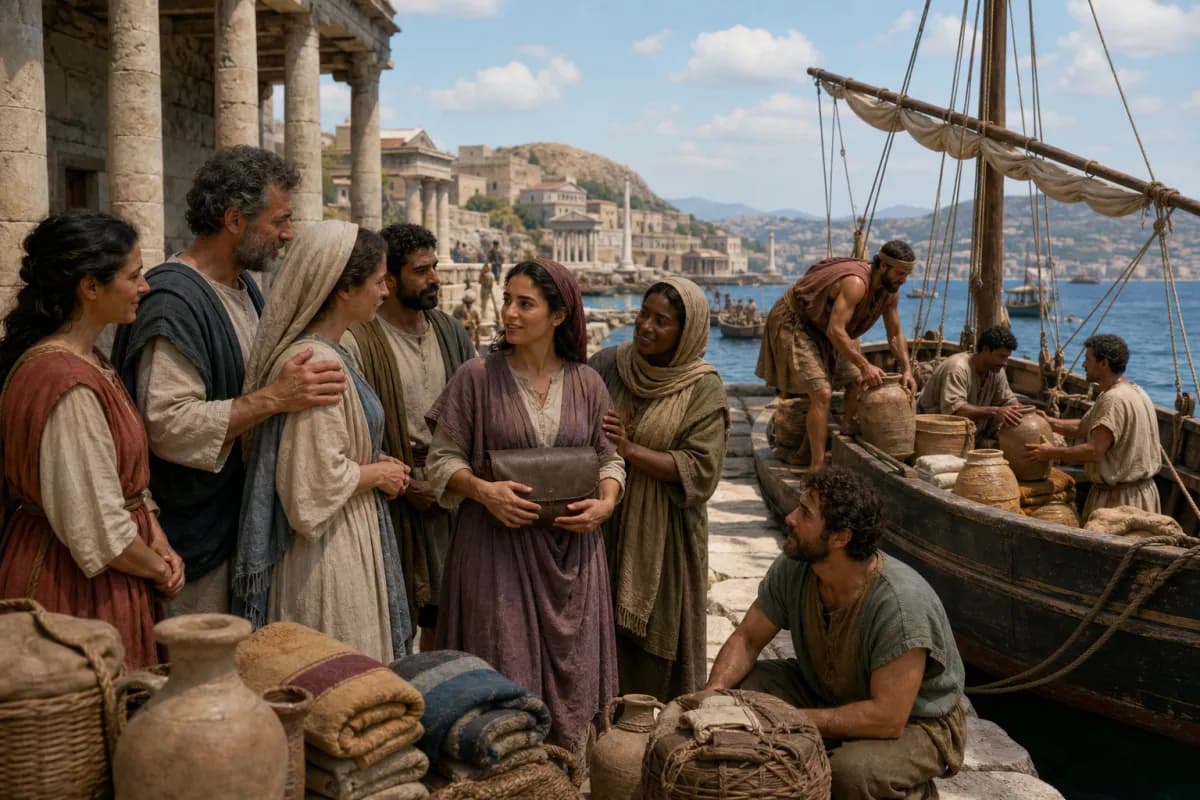
Romans 15:14–16:27 reveals Paul’s gospel mission and the wide family formed by it. He writes as a priestly servant of Christ Jesus among the Gentiles, plans to travel through Rome toward Spain after delivering aid to Jerusalem, commends Phoebe, greets a network of co-workers, warns against divisive teachers, and ends by praising the God who strengthens His church through the revelation of Jesus Christ.

Study this passage →
1 Corinthians 1:1–4:21

798 of 876 · Passage study

The Crucified Christ Ends Boasting and Creates One People

In 1 Corinthians 1:1–4:21, Paul confronts a church fractured by allegiance to admired leaders and impressed by worldly eloquence. God’s answer is Christ crucified: what appears weak and foolish exposes human boasting, gives believers their life in Christ Jesus, and makes Paul and Apollos servants rather than rival founders.

Study this passage →
1 Corinthians 5:1–7:40

799 of 876 · Passage study

Bought with a Price: Holiness in the Body and the Church

In 1 Corinthians 5–7, Paul addresses unrepentant sexual sin, lawsuits among believers, bodily immorality, marriage, singleness, and difficult household situations. He calls the church to act faithfully because Christ our Passover has been sacrificed, believers have been washed in His name, and their bodies belong to the Lord who will raise them.

Study this passage →
1 Corinthians 8:1–10:33

800 of 876 · Passage study

Freedom That Refuses to Harm Those for Whom Christ Died

In 1 Corinthians 8–10, Paul addresses food associated with idols and turns a disputed right into a test of love. Knowledge that idols are nothing can inflate the strong, but love builds up the weak. Paul surrenders legitimate apostolic rights, warns Israel’s wilderness generation, and directs the church to seek the neighbor’s good and do everything for God’s glory.

Study this passage →
1 Corinthians 11:1–12:31

801 of 876 · Passage study

The Lord’s Table and the Many Members of His One Body

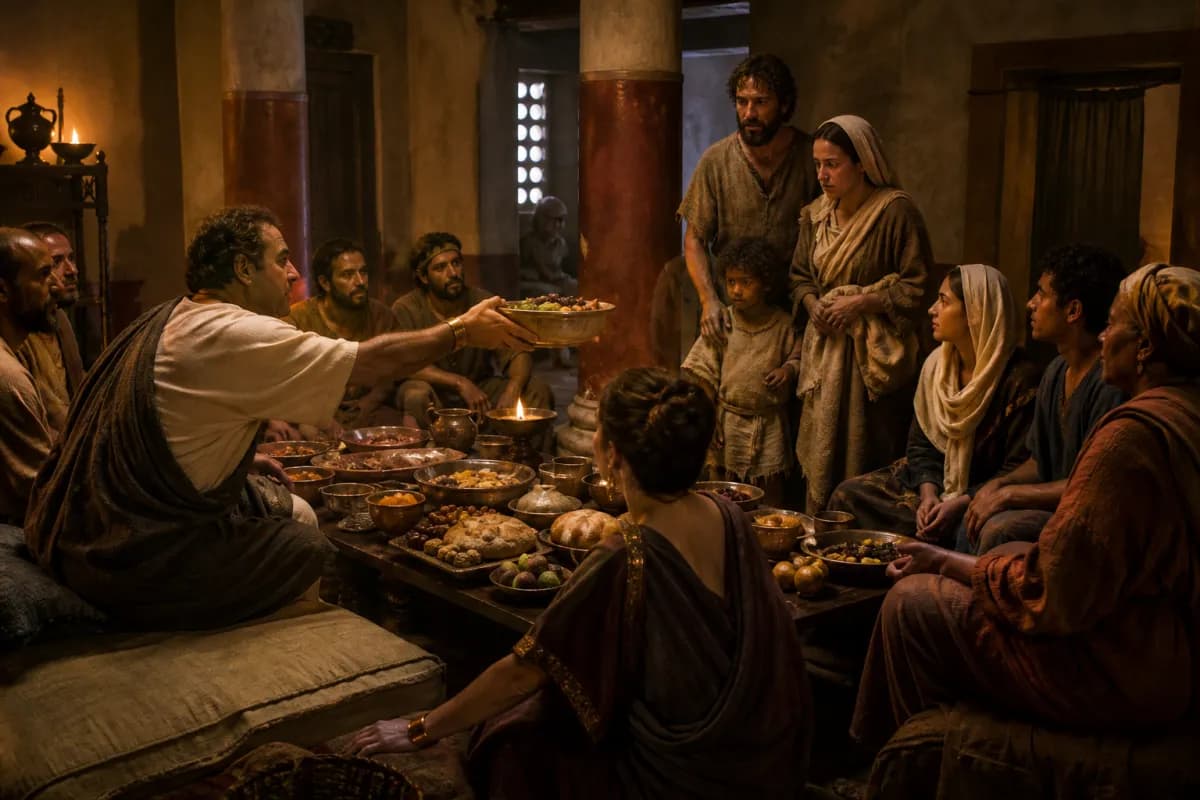
In 1 Corinthians 11–12, Paul corrects disorder in gathered worship. The church’s treatment of women and men, its humiliating Lord’s Supper, and its competition over gifts all contradict the Lord they confess. Christ gave His body and blood for them, and by one Spirit He has formed their diverse members into one body for mutual care.

Study this passage →
1 Corinthians 13:1–14:40

802 of 876 · Passage study

Love Is the Necessary Way for a Gifted Church

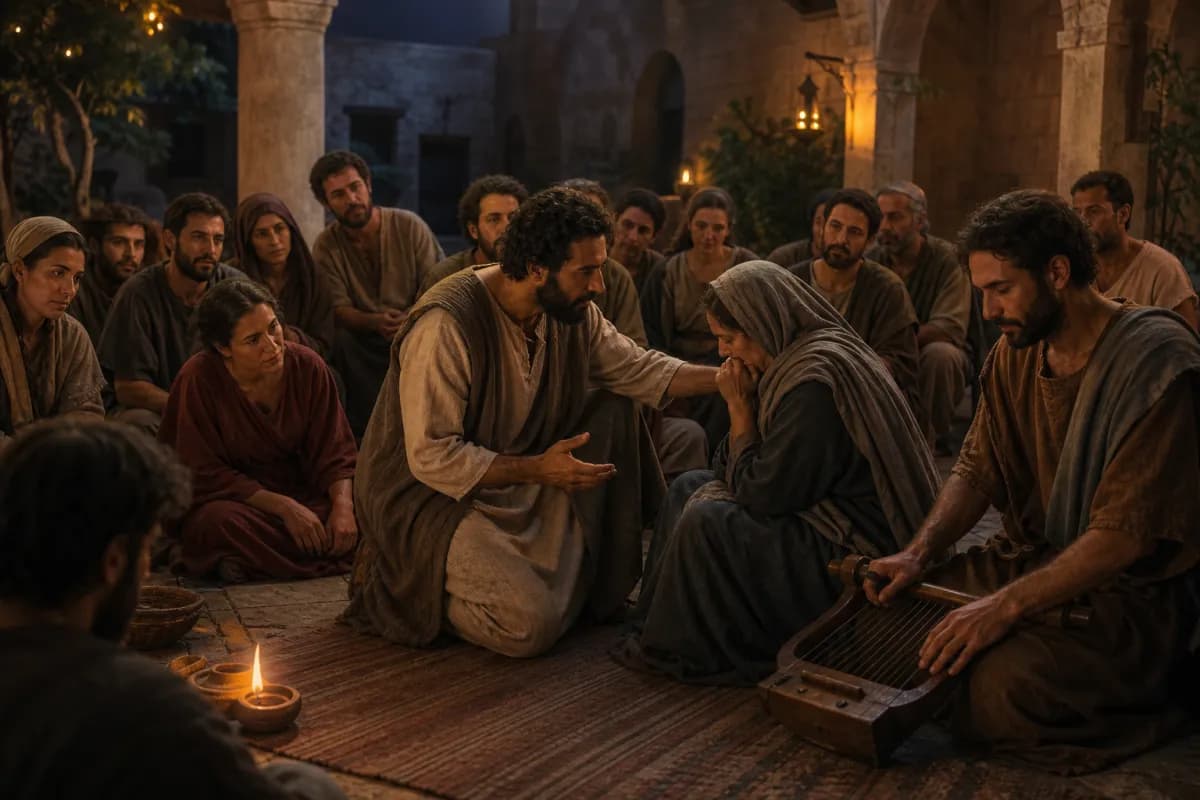
In 1 Corinthians 13–14, Paul places love at the center of spiritual life and gathered worship. Spectacular speech, prophecy, knowledge, faith, generosity, and even suffering amount to nothing without love. Love endures because it reflects God’s coming future, and it directs the church’s gifts toward intelligible speech that builds, consoles, and strengthens others.

Study this passage →
1 Corinthians 15:1–15:58

803 of 876 · Passage study

The Risen Christ Is the First Fruits of Our Resurrection

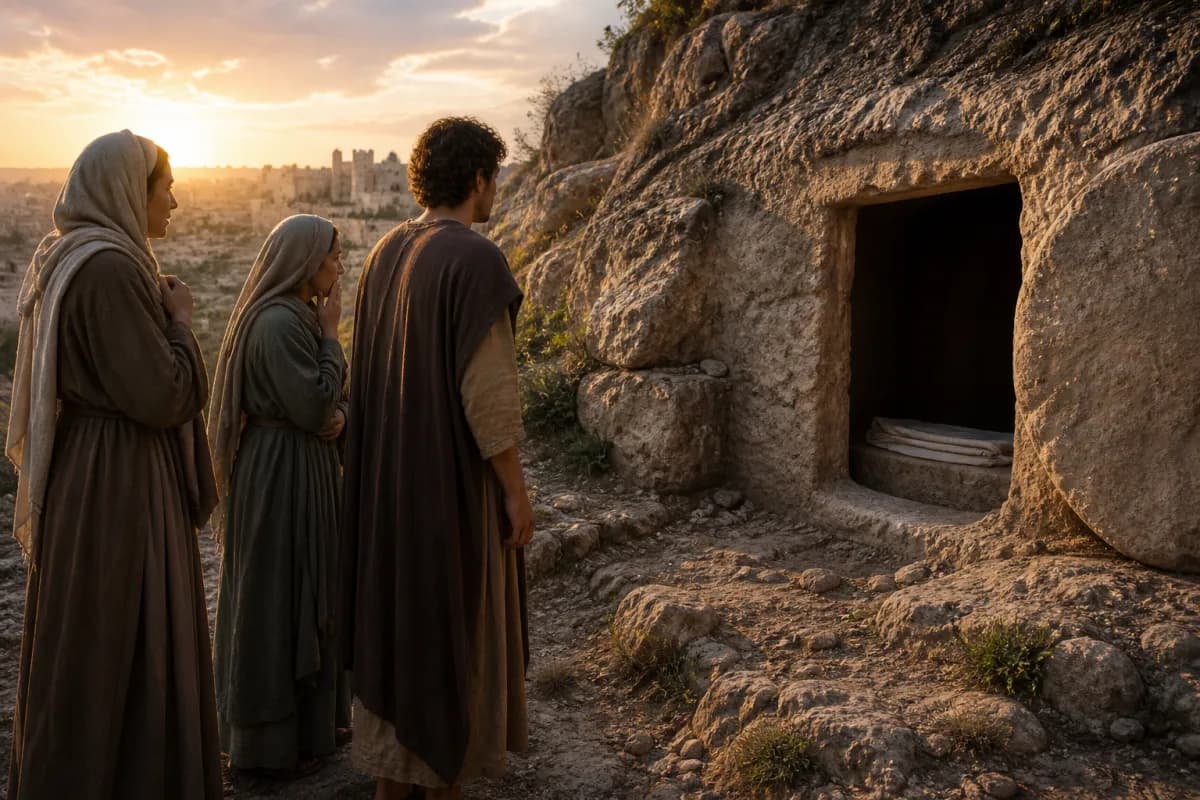
In 1 Corinthians 15, Paul defends the bodily resurrection by returning to the gospel the Corinthians received: Christ died for sins, was buried, was raised on the third day, and appeared to many witnesses. If Christ has not been raised, faith is empty; but Christ has been raised as first fruits, guaranteeing the defeat of death and the resurrection of those who belong to Him.

Study this passage →
1 Corinthians 16:1–16:24

804 of 876 · Passage study

Gospel Partnership Expressed in Giving, Service, and Love

In 1 Corinthians 16, Paul closes with instructions for a collection for Jerusalem, travel plans, commendations, and greetings. These ordinary details show a church connected to Christ’s wider mission: believers set aside gifts regularly, welcome tested servants, honor households devoted to service, stay alert in faith, and let every action be done in love.

Study this passage →
Keep scrolling for the next passage.