Truth-Scrolling

2 Corinthians 1:1–2:17

805 of 876 · Passage study

The God Who Comforts Afflicted Servants

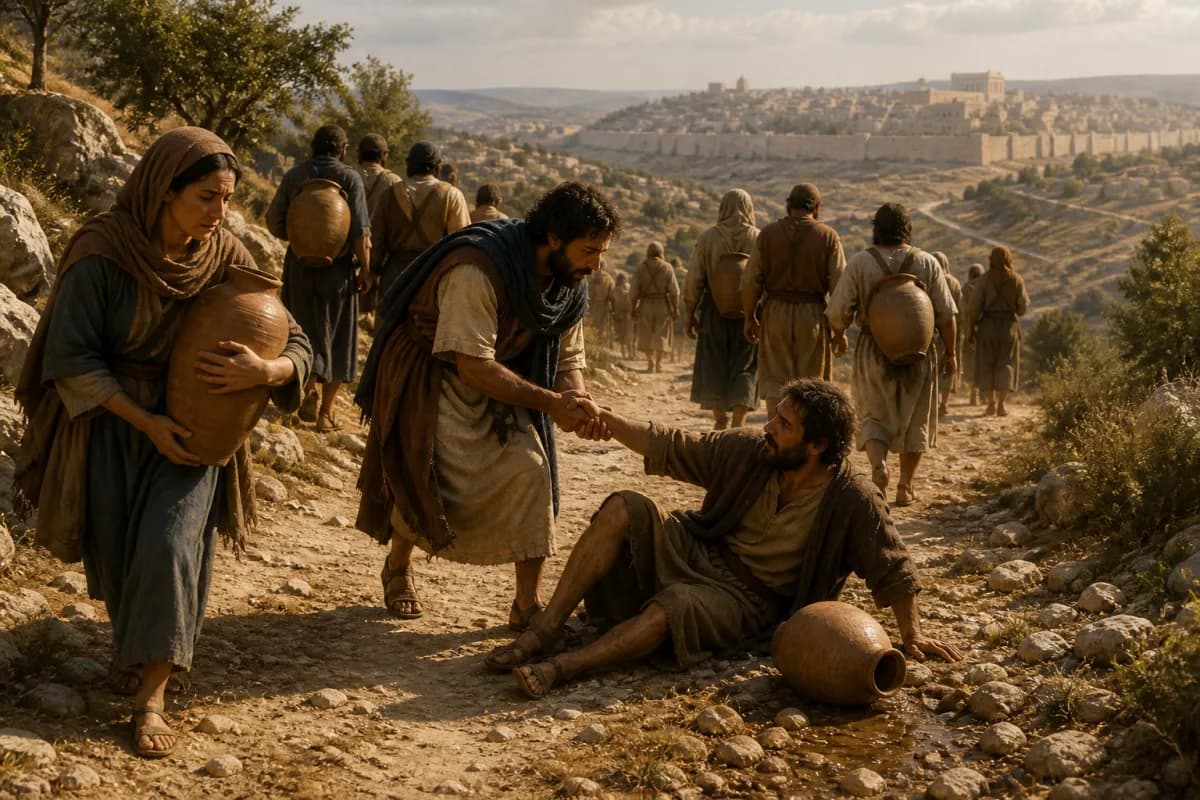
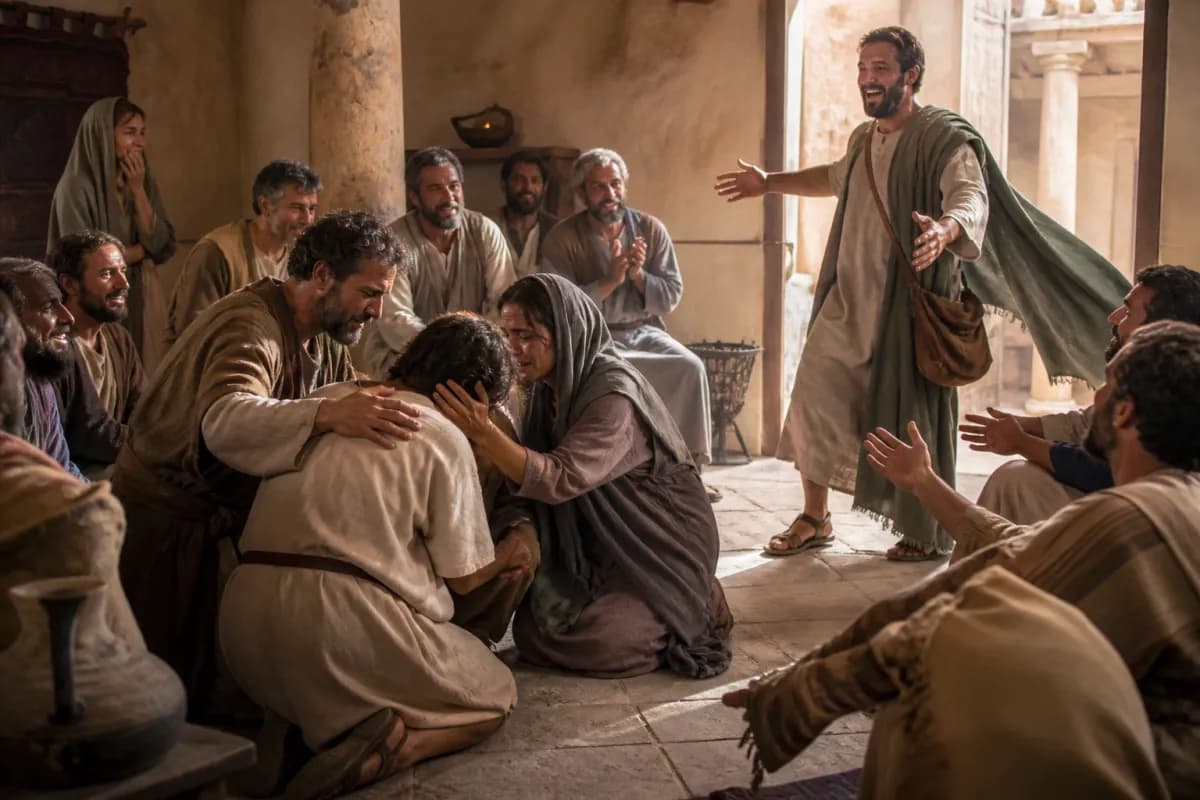
In 2 Corinthians 1:1–2:17 Paul blesses the Father of mercies who meets afflicted believers with sustaining comfort, recounts his own near-despair in Asia, explains a changed travel plan without manipulation, calls the church to forgive a repentant offender, and describes gospel ministry as Christ’s triumphal procession and fragrant witness in the world.
Study this passage →
2 Corinthians 3:1–5:21

806 of 876 · Passage study

The New Covenant Glory of Reconciliation

In 2 Corinthians 3:1–5:21 Paul defends a Spirit-written ministry whose adequacy comes from God, contrasts the fading glory of Moses’ covenant with the lasting glory unveiled in Christ, carries the gospel in a jar of clay, explains the judgment and new creation that compel ministry, and announces God’s reconciliation of the world through Christ.

Study this passage →
2 Corinthians 6:1–7:16

807 of 876 · Passage study

Grace Received in Holiness and Godly Sorrow

In 2 Corinthians 6:1–7:16 Paul urges the Corinthians not to receive God’s grace in vain, proves his ministry through endurance rather than self-protection, calls them out of idolatrous partnerships because they are God’s temple, rejoices over Titus’ report of their earnest repentance, and distinguishes life-giving godly grief from worldly sorrow that ends in death.

Study this passage →
2 Corinthians 8:1–9:15

808 of 876 · Passage study

The Grace of Christ That Makes Generous People

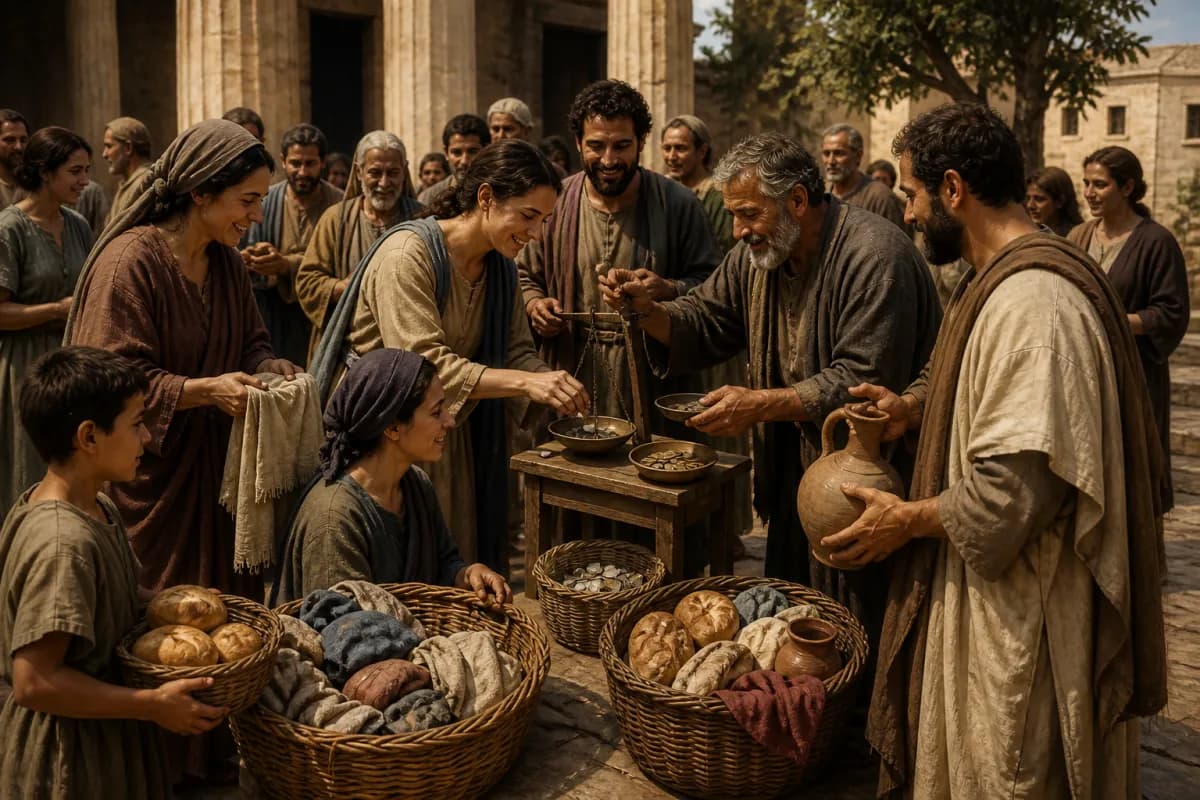
In 2 Corinthians 8:1–9:15 Paul organizes relief for impoverished believers in Jerusalem by pointing to Macedonian generosity, Christ’s self-giving poverty, the principle of shared provision, transparent administration, willing and cheerful giving, and God’s overflowing grace that produces thanksgiving to Him.

Study this passage →
2 Corinthians 10:1–10:18

809 of 876 · Passage study

Christ’s Meek Power Against Proud Boasting

In 2 Corinthians 10:1–18 Paul answers criticism that he is timid in person but forceful in letters. He appeals by Christ’s meekness and gentleness, insists that his weapons possess divine power to demolish arguments raised against God, distinguishes legitimate authority from self-commendation, and refuses to boast beyond the field God assigned him.

Study this passage →
2 Corinthians 11:1–11:33

810 of 876 · Passage study

Faithful Jealousy for a Church Promised to Christ

In 2 Corinthians 11:1–33 Paul exposes teachers who present another Jesus, a different spirit, and a different gospel; explains his refusal to burden Corinth financially; describes deceptive apostles who disguise themselves as servants of righteousness; and answers boastful standards with an unwilling catalogue of suffering, danger, weakness, and costly concern for the churches.

Study this passage →
2 Corinthians 12:1–13:14

811 of 876 · Passage study

Sufficient Grace and the Strength of Christ

In 2 Corinthians 12:1–13:14 Paul reluctantly recounts a heavenly vision but turns attention to a thorn that kept him from self-exaltation, hears Christ’s word that grace is sufficient and power is perfected in weakness, defends his fatherly ministry without exploiting Corinth, warns of a coming visit, and closes by praying that the church will be restored and know the grace, love, and fellowship of the triune God.

Study this passage →
Galatians 1:1–2:21

812 of 876 · Passage study

No Other Gospel Than the Grace of Christ

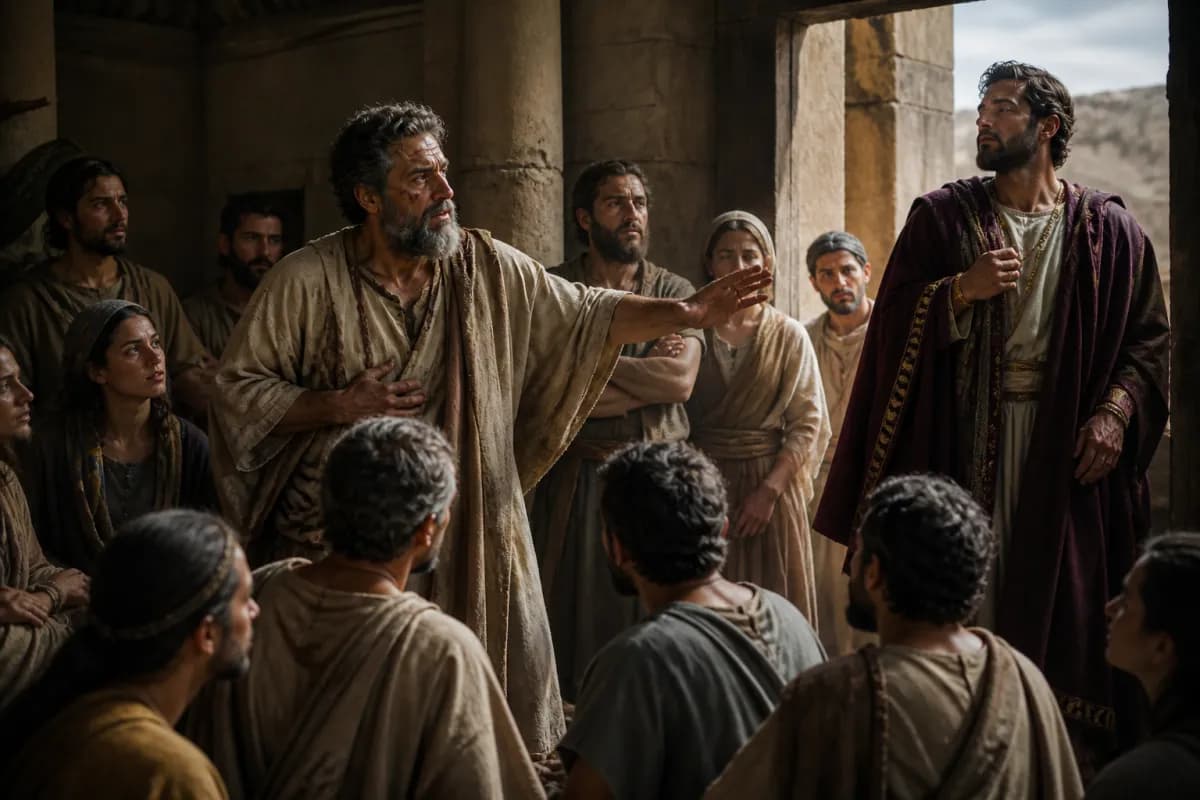
Galatians 1:1–2:21 opens Paul’s urgent defense of the gospel. He insists that his apostleship and message come from the risen Jesus, condemns any “different gospel,” recounts the recognition of his mission to Gentiles, and confronts Peter at Antioch when table fellowship was compromised. The climax is justification through faith in Christ and Paul’s confession that he now lives by faith in the Son of God who loved him and gave Himself for him.

Study this passage →
Galatians 3:1–4:31

813 of 876 · Passage study

The Promise Given in Christ and the Children of God

Galatians 3:1–4:31 recalls that the Galatians received the Spirit by faith, not law-works, and traces God’s promise to Abraham to its fulfillment in Christ. The law had a temporary guarding role until Christ came; through faith believers become God’s children, Abraham’s heirs, and recipients of the Spirit of the Son. Paul contrasts slavery with sonship and the two mothers, warning the churches not to return to a covenantal identity that denies their freedom in Christ.

Study this passage →
Galatians 5:1–5:26

814 of 876 · Passage study

Freedom That Serves Through Love by the Spirit

Galatians 5:1–5:26 calls believers to stand in the freedom Christ has secured rather than seeking justification through circumcision and law. This freedom is not permission for the flesh. Through love Christians serve one another, fulfill the law’s neighborward aim, and walk by the Spirit against the flesh. Paul contrasts the destructive works of the flesh with the Spirit’s fruit and closes by calling the church away from vainglory, provocation, and envy.

Study this passage →
Galatians 6:1–6:18

815 of 876 · Passage study

Bearing Burdens and Boasting Only in Christ’s Cross

Galatians 6:1–6:18 closes the letter by showing how Spirit-led freedom restores sinners, bears burdens, shares in gospel teaching, sows toward the Spirit, and does good without seeking human approval. Paul exposes teachers who want circumcision as a visible badge that avoids persecution for the cross. Against their boasting, he boasts only in the cross of Jesus Christ, through which the world has been crucified to him and he to the world; what matters is new creation.

Study this passage →
Ephesians 1:1–2:22

816 of 876 · Passage study

Chosen in Christ and Made One by His Cross

Ephesians 1:1–2:22 praises the Father for every saving blessing given in Christ: election, adoption, redemption, forgiveness, inheritance, and the Spirit’s seal. Paul then shows the same grace at work in people who were dead in sin and in the reconciliation of Jews and Gentiles. Christ’s cross makes peace, creates one new humanity, and builds both peoples into God’s dwelling place.

Study this passage →
Keep scrolling for the next passage.