Truth-Scrolling

Proverbs 22:1–22:29

625 of 876 · Passage study

A Good Name, the Poor at the Gate, and the Fear of the Lord

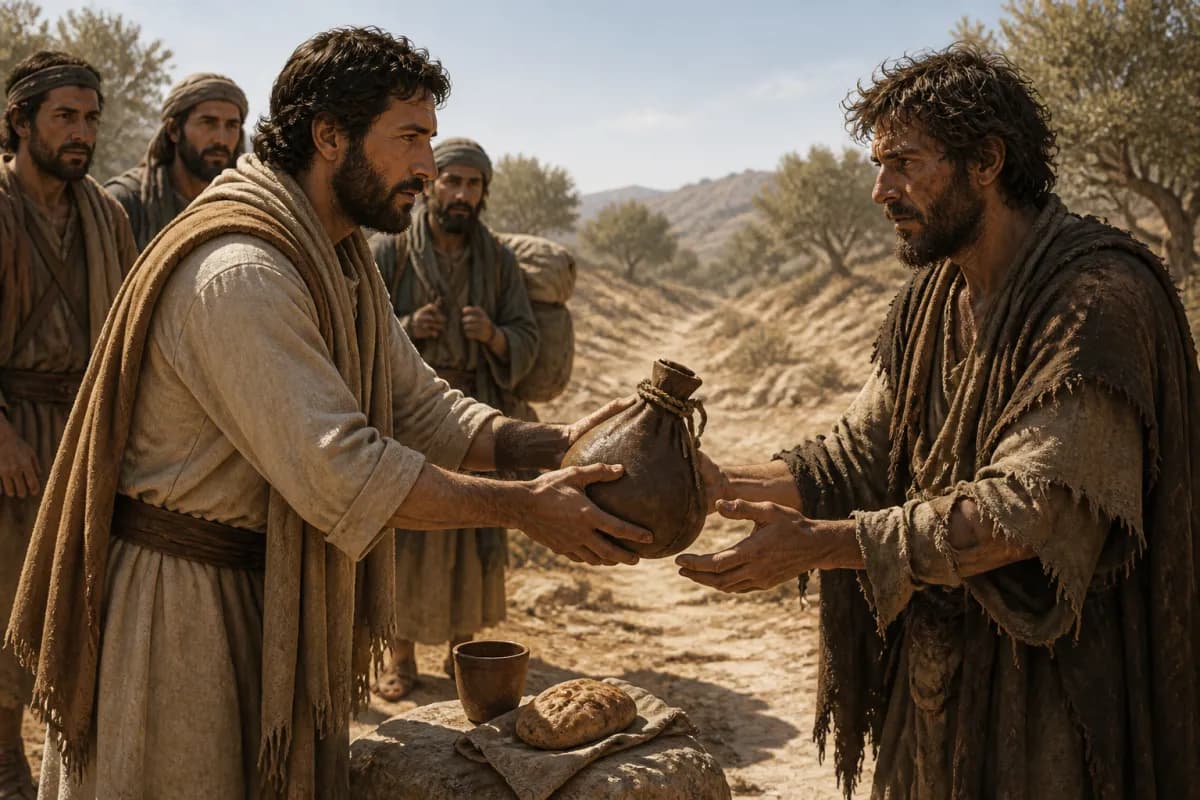
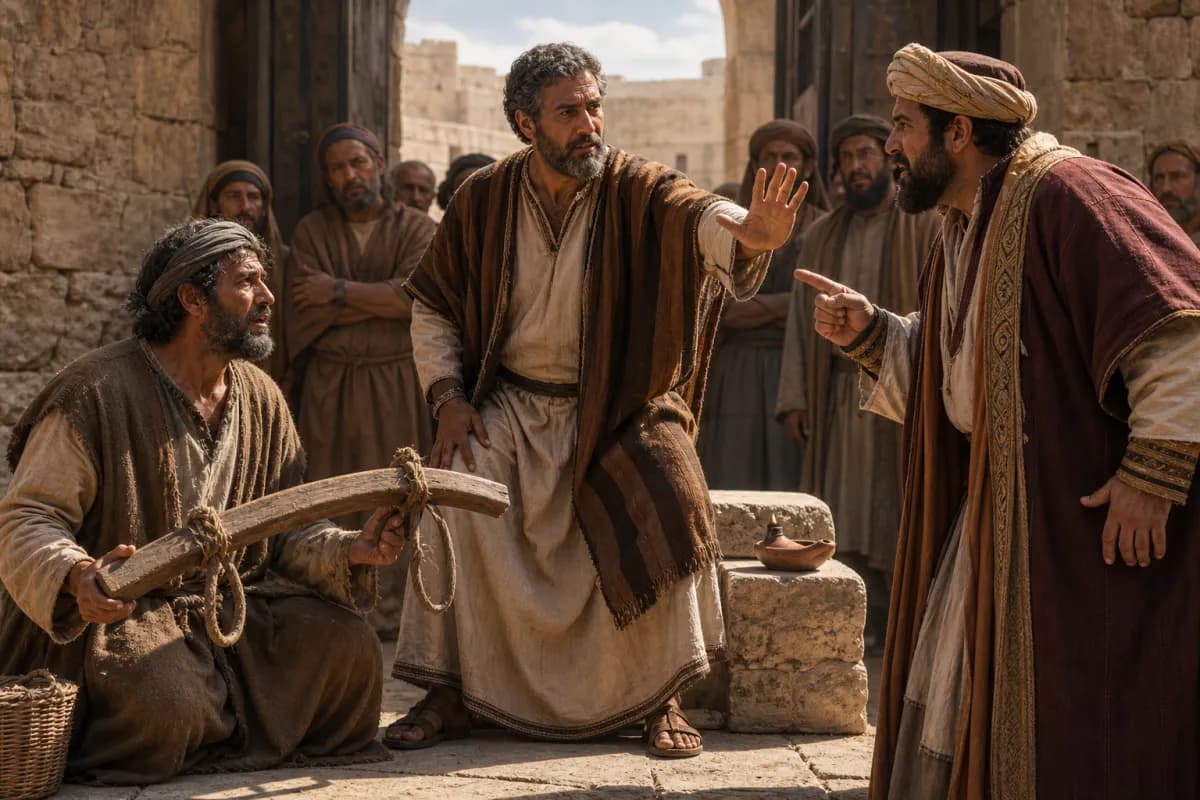
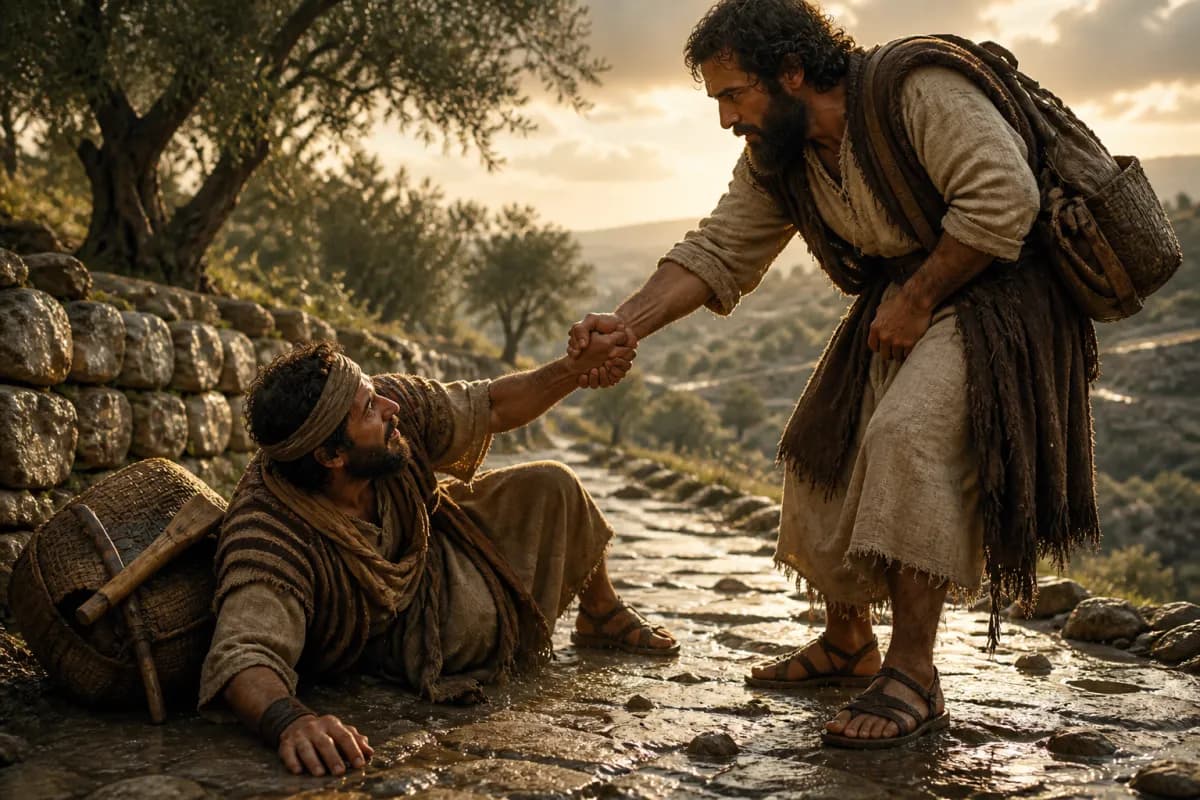
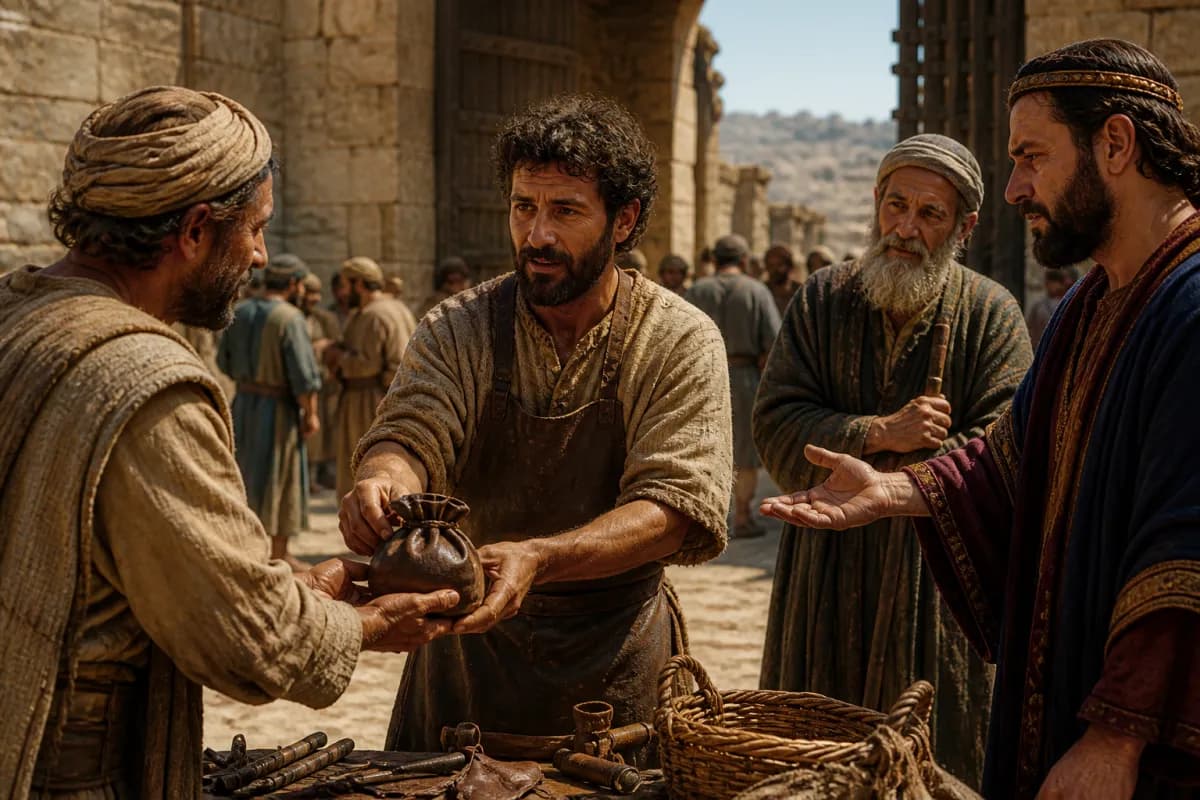
Proverbs 22 values a good name above riches and brings rich and poor alike before their Maker. It warns against haste, oppression, debt, and corrupt influence while commending humility, wise instruction, and careful formation of children. Jesus receives the lowly, bears the debt of sinners, and teaches His people to honor God by dealing honestly and generously with their neighbors.
Study this passage →
Proverbs 23:1–23:35

626 of 876 · Passage study

The Table, the Path, and the Father Who Calls for the Heart

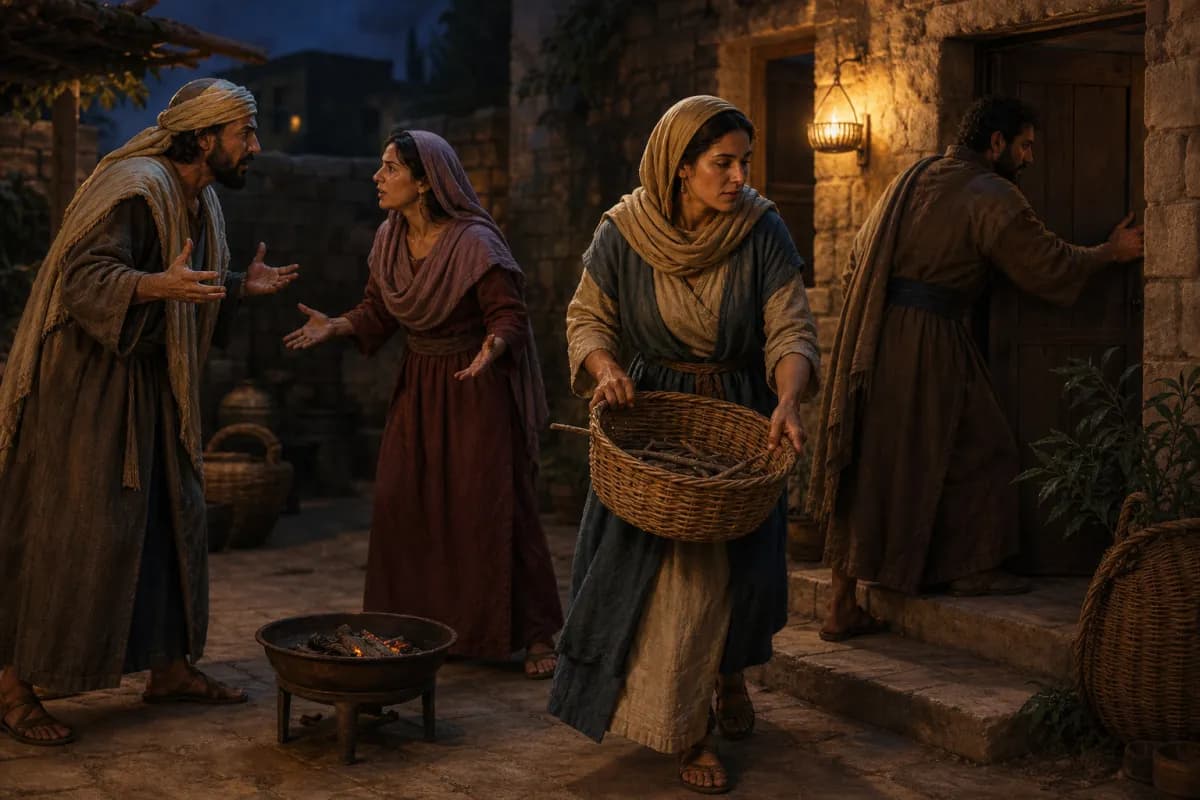
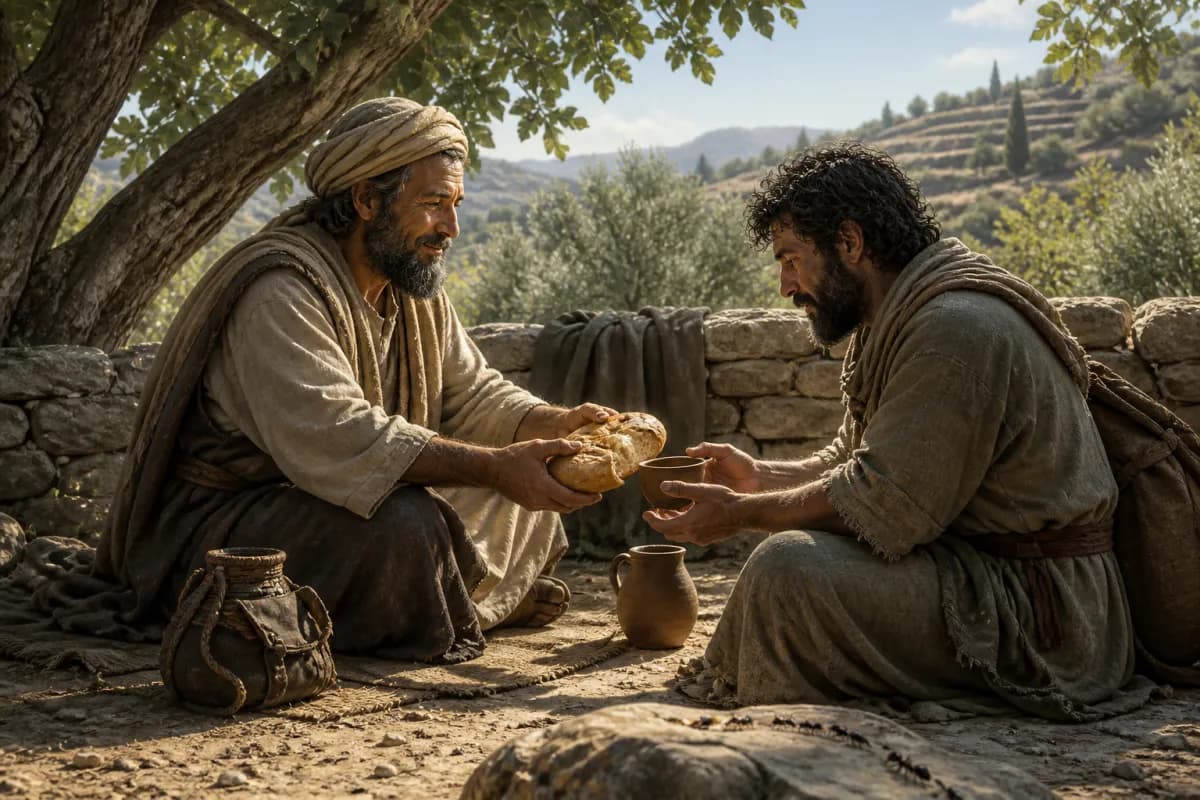
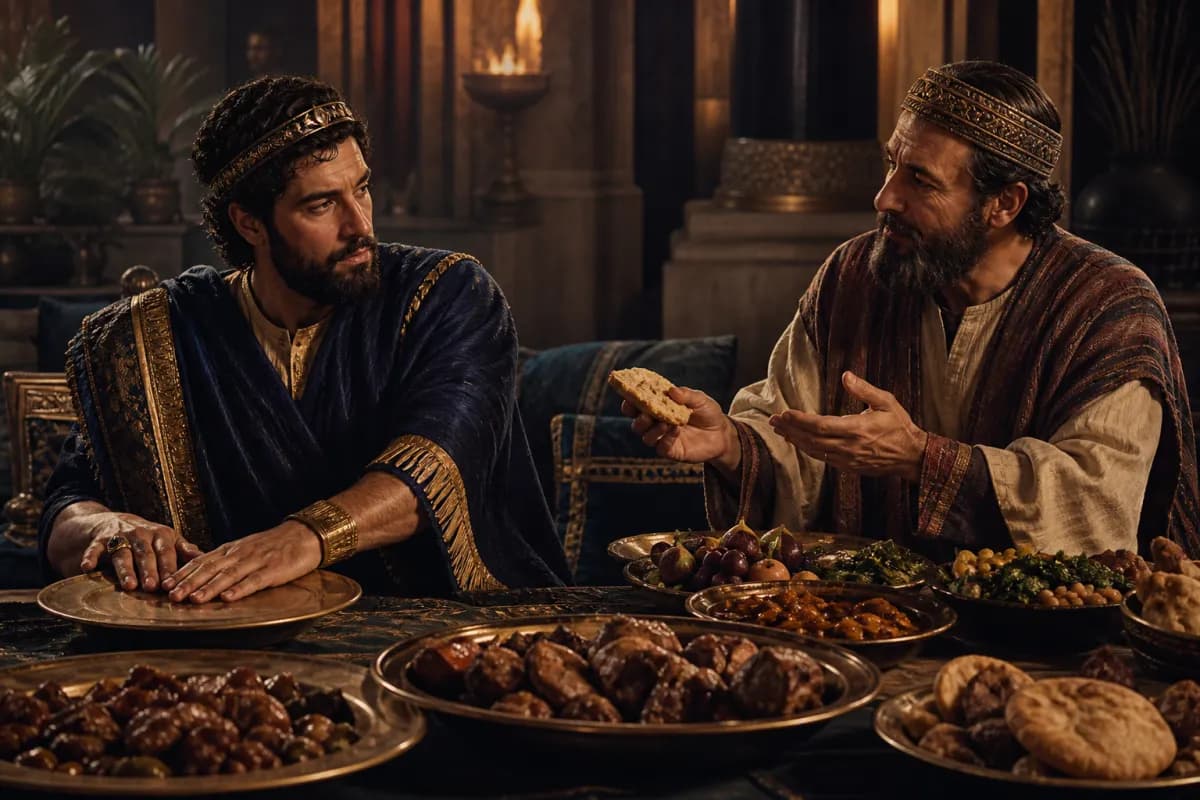
Proverbs 23 warns that appetites can become traps: a ruler’s table, rapid wealth, envy, drunkenness, sexual temptation, and the promise of easy pleasure all demand discernment. The chapter calls a son to receive correction and give his heart to wise instruction. Jesus offers Himself as the true source of life and calls His people from enslaving desires into the joyful fear of the Lord.

Study this passage →
Proverbs 24:1–24:34

627 of 876 · Passage study

Do Not Envy Evil: Wisdom for Building, Falling, and Rescue

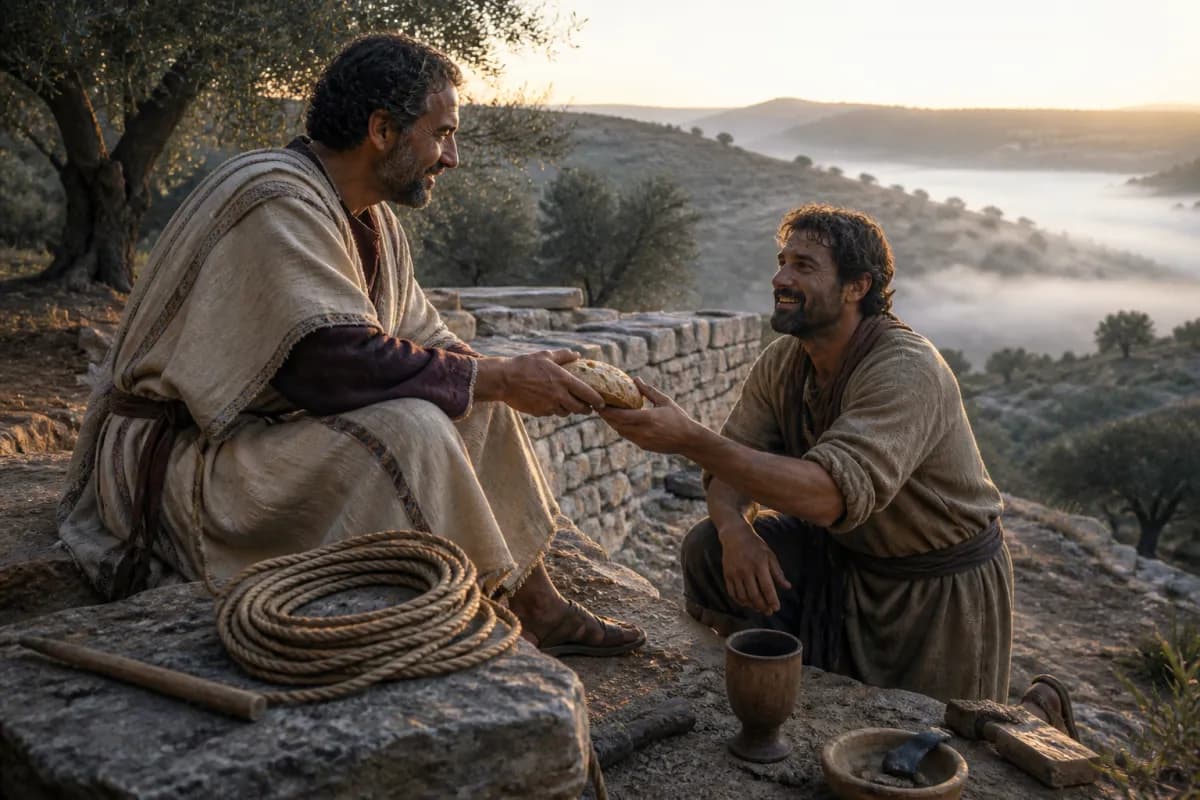
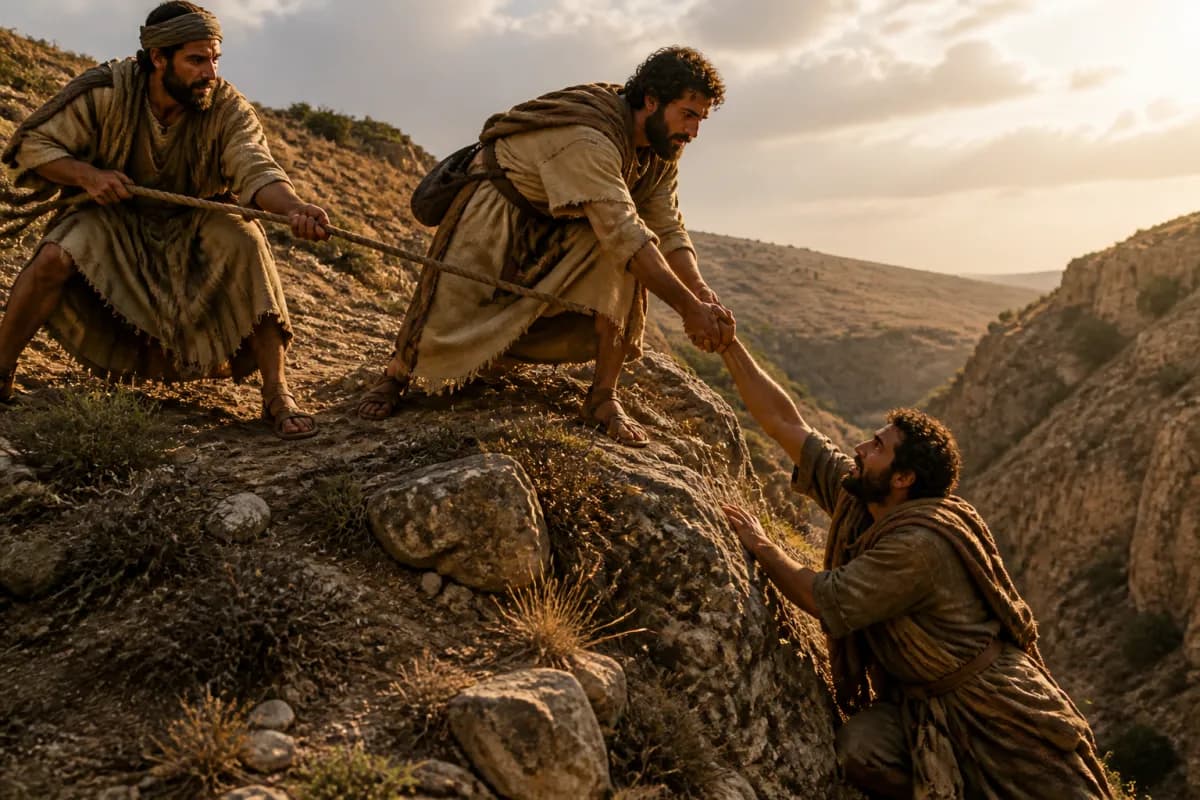
Proverbs 24 forbids envy of evildoers and calls for wisdom that builds a household, strength that endures adversity, truthful witness, and active rescue for those led toward death. It warns against rejoicing at an enemy’s fall and against lazy fields left to ruin. Jesus rescues people from death by His cross and trains His people to practice patient, courageous love rather than envy, revenge, or neglect.

Study this passage →
Proverbs 25:1–25:28

628 of 876 · Passage study

The Glory of Searching, the Discipline of Speech, and Peace with an Enemy

Proverbs 25 gathers sayings copied in Hezekiah’s day that train readers to honor God’s hidden wisdom, approach rulers carefully, speak truthfully, govern anger, and show practical kindness to an enemy. The chapter values restraint over display and patient persuasion over force. Jesus reveals the Father with perfect wisdom, bears hostility without retaliation, and forms people whose truthful speech and costly love point to His kingdom.

Study this passage →
Proverbs 26:1–26:28

629 of 876 · Passage study

Fools, Sluggards, and the Fire of Quarrels

Proverbs 26 teaches discernment about folly: some speech enables it, some correction restrains it, and mockery, laziness, deceit, and gossip spread damage through a community. The chapter refuses both naïve engagement and cynical retaliation. Jesus bears patient witness to the truth, exposes evil without becoming evil, and forms a people whose words make peace rather than feed a fire.

Study this passage →
Proverbs 27:1–27:27

630 of 876 · Passage study

Faithful Wounds, Daily Attention, and Life Before the Lord

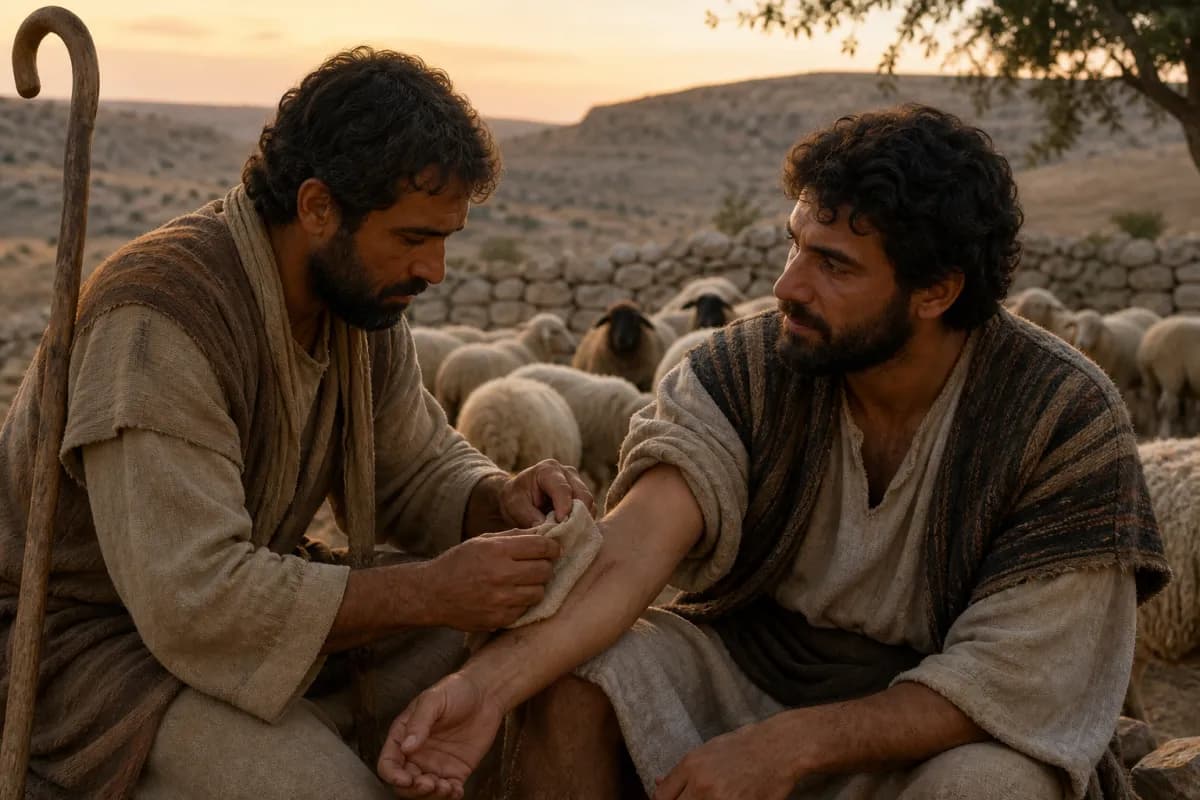
Proverbs 27 turns the reader from boasting about tomorrow to faithful attention today. It values a friend who tells the truth, warns against envy and ungoverned anger, and ends with the patient care of flocks. Jesus is the faithful Friend who speaks truth, lays down His life for His sheep, and teaches His people to receive correction and serve one another with steady love.

Study this passage →
Proverbs 28:1–28:28

631 of 876 · Passage study

Confession, Courage, and the Righteous King

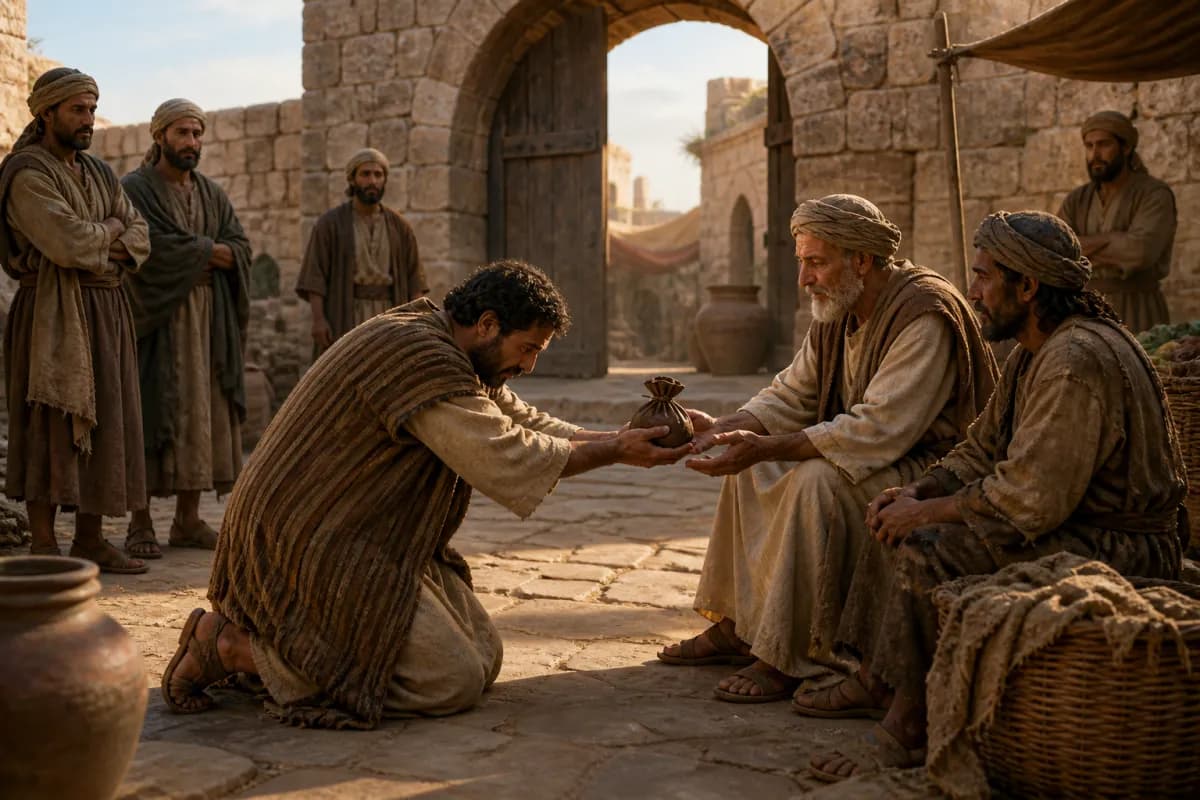
Proverbs 28 contrasts the fear-driven flight of the wicked with the courage of the righteous, especially in matters of law, wealth, leadership, and hidden sin. It insists that concealing transgression blocks mercy while confession and forsaking open the way of life. Jesus is the righteous King who bore sinners’ guilt, grants forgiveness to the confessing, and forms courageous people who refuse dishonest gain.

Study this passage →
Proverbs 29:1–29:27

632 of 876 · Passage study

Correction, Justice, and the Fear of the Lord

Proverbs 29 shows that stubborn refusal of correction and fear of people both end in ruin, while justice, disciplined speech, and fear of the Lord protect a community. It addresses parents, rulers, the poor, the angry, and the proud. Jesus is the just Judge who frees His people from human approval and teaches them to seek the Lord’s honor in truthful, merciful obedience.

Study this passage →
Proverbs 30:1–30:33

633 of 876 · Passage study

Agur’s Humility Before God’s Word and the Creator’s Order

Proverbs 30 records Agur’s confession of creaturely limits, his confidence in God’s tested word, and his prayers for integrity and daily bread. Its numbered sayings observe small creatures, human arrogance, and created patterns that expose false self-sufficiency. Jesus reveals the Father perfectly, feeds His people with grace, and teaches them humble dependence on God rather than wealth, lies, or self-exaltation.

Study this passage →
Proverbs 31:1–31:31

634 of 876 · Passage study

A King’s Justice and a Household of Fearful Strength

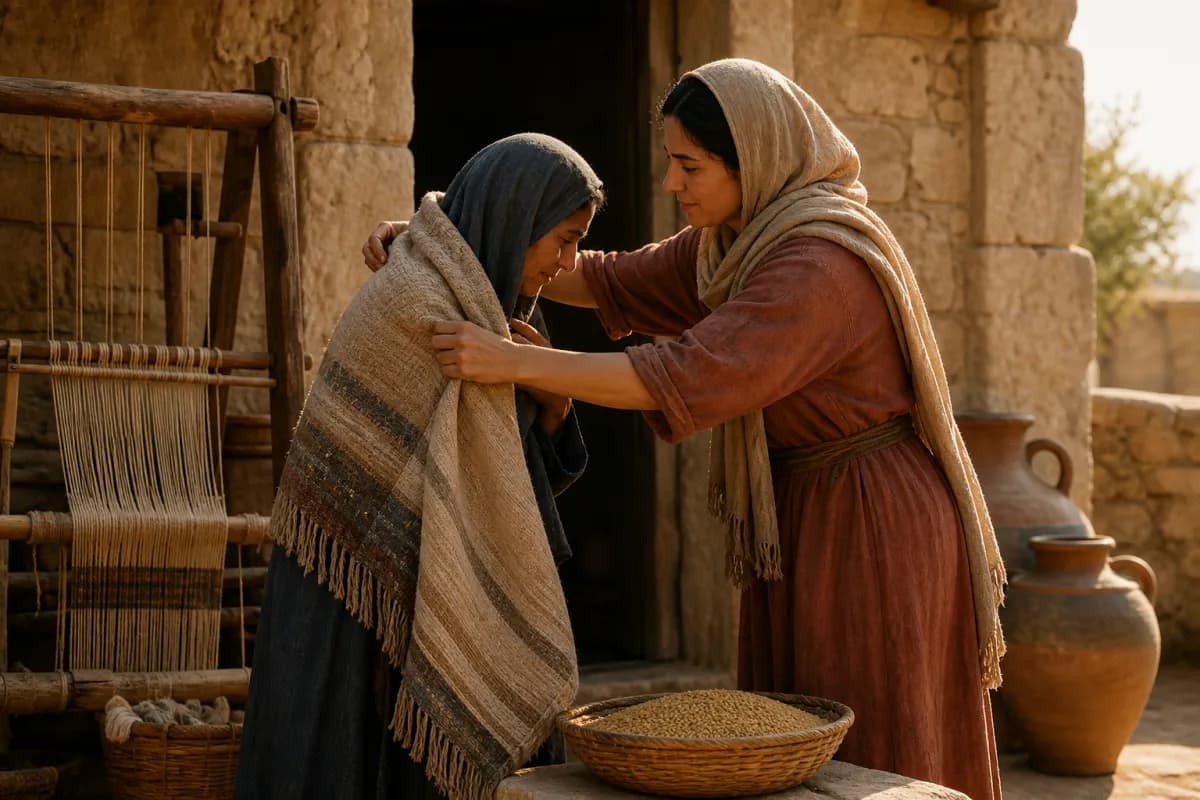
Proverbs 31 joins the counsel given to King Lemuel with a portrait of a capable wife whose strength, generosity, work, and fear of the Lord bless her household and community. The chapter warns rulers against appetites that pervert judgment and honors the woman whose wisdom becomes visible in faithful action. Jesus is the righteous King who defends the vulnerable and gathers a people whose service reflects His self-giving love.

Study this passage →
Ecclesiastes 1:1–2:26

635 of 876 · Passage study

Vapor, Achievement, and the Gift of a Received Life

Ecclesiastes 1–2 watches generations, sun, wind, streams, wisdom, pleasure, houses, gardens, servants, wealth, and labor repeat without yielding lasting gain. The Teacher calls this hevel—vapor—because death makes every attempt to secure a permanent identity by achievement slip away. Yet the book directs the reader to receive food, work, and joy as gifts from God, and Christ gives the hope that death cannot empty.

Study this passage →
Ecclesiastes 3:1–5:20

636 of 876 · Passage study

Times Beyond Our Control and Joy from God’s Hand

Ecclesiastes 3–5 names the appointed times that humans undergo, God’s beautiful yet unmasterable work, oppression, loneliness, worship, money, and toil. The Teacher refuses both control and cynicism: God will judge, people should fear Him, companionship strengthens the vulnerable, vows must be truthful, and food and labor are received as God’s gifts. Christ brings the final judgment and the fellowship that this world cannot secure.

Study this passage →
Keep scrolling for the next passage.