Truth-Scrolling

Ecclesiastes 6:1–8:17

637 of 876 · Passage study

What Wealth Cannot Give and Wisdom Cannot Master

Ecclesiastes 6–8 faces the agony of riches without enjoyment, an insatiable appetite, a stillborn child, crooked realities no one can straighten, death’s certainty, and wisdom’s limits. The Teacher does not counsel cynicism. He directs readers to enjoy God’s gifts, keep reverent obedience, reject self-righteous extremes, and confess that no human being can master God’s work. Christ gives wisdom and resurrection hope where control fails.
Study this passage →
Ecclesiastes 9:1–11:10

638 of 876 · Passage study

Death’s Common End and Wisdom’s Quiet Strength

Ecclesiastes 9–11 faces the same death for righteous and wicked, the limits of human knowledge, the urgency of joyful obedience, the forgotten wisdom of a poor man, the small power of folly to spoil honor, and the uncertainty of wind, clouds, and birth. The Teacher summons readers to act faithfully while they have life. Jesus defeats death and sends His people into fruitful work without pretending to control outcomes.

Study this passage →
Ecclesiastes 12:1–12:14

639 of 876 · Passage study

Remember Your Creator Before the Silver Cord Loosens

Ecclesiastes 12 summons the young to remember their Creator before aging darkens the house, trembling hands and failing teeth portray bodily decline, the silver cord snaps, dust returns to earth, and the spirit returns to God. The epilogue commends the Teacher’s words and concludes with fear of God because He will bring every deed into judgment. Jesus bears judgment and gives resurrection hope to people whose bodies return to dust.

Study this passage →
Song of Songs 1:1–2:7

640 of 876 · Passage study

Song of Songs 1:1–2:7: Love Received with Delight and Patience

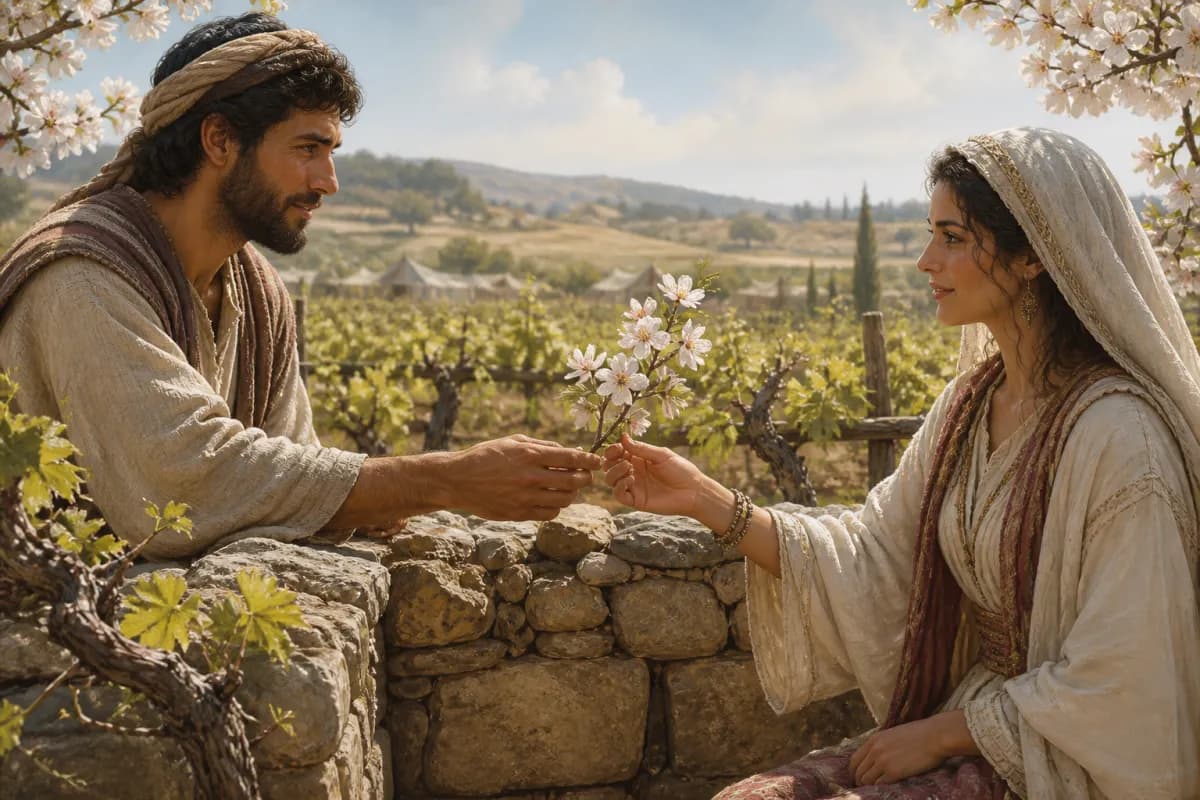
Song of Songs 1:1–2:7 lets a woman and a man speak frankly of desire, beauty, absence, and mutual delight. Gardens, vineyards, fragrance, and spring make love feel embodied and joyful, while the repeated charge not to awaken love prematurely gives desire a moral horizon. The poem honors love as the Creator’s gift, not a possession to seize or a feeling to manufacture.

Study this passage →
Song of Songs 2:8–3:5

641 of 876 · Passage study

Song of Songs 2:8–3:5: Seeking the Beloved Through Absence and Desire

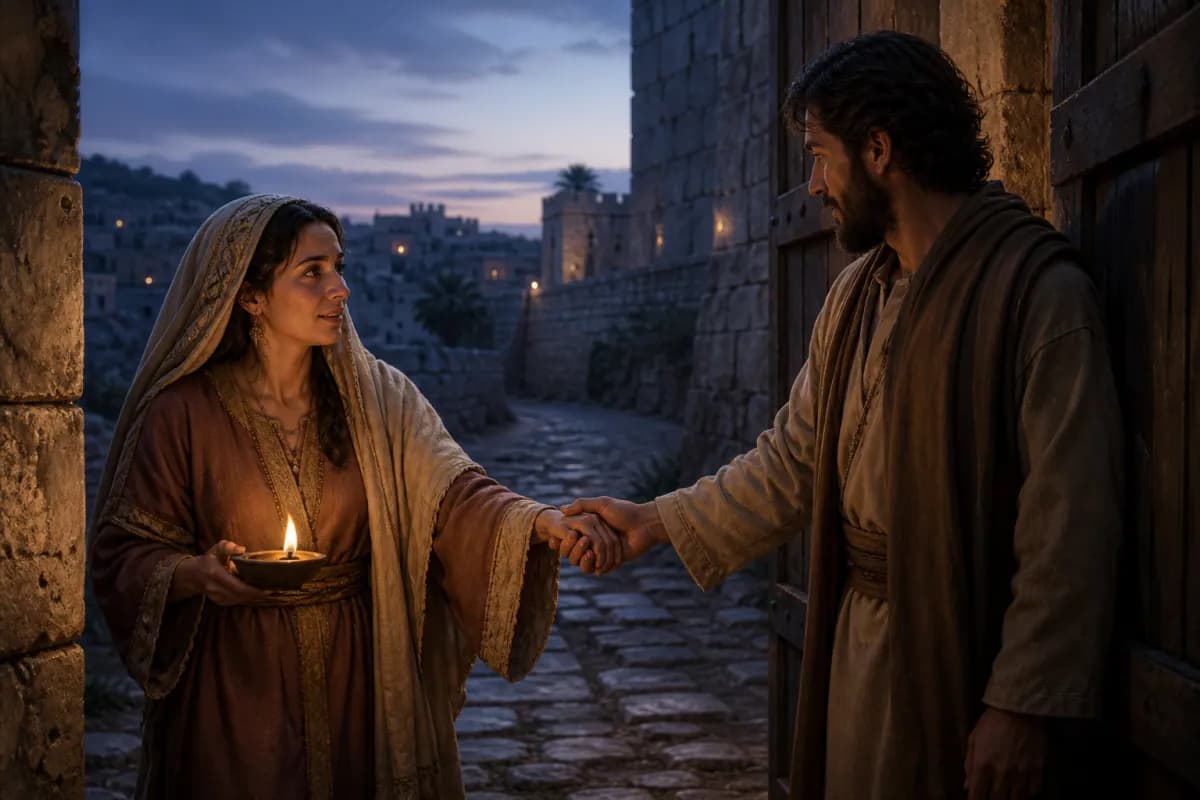
Song of Songs 2:8–3:5 moves from the beloved’s energetic arrival in spring to the woman’s nighttime search through the city. Gazelles, winter rain, blossoms, and the locked city streets hold joy and absence together. The woman seeks the one she loves rather than settling for a substitute, and the refrain again warns that love must not be stirred on demand.

Study this passage →
Song of Songs 3:6–5:1

642 of 876 · Passage study

Song of Songs 3:6–5:1: A Wedding Procession and Mutual Delight

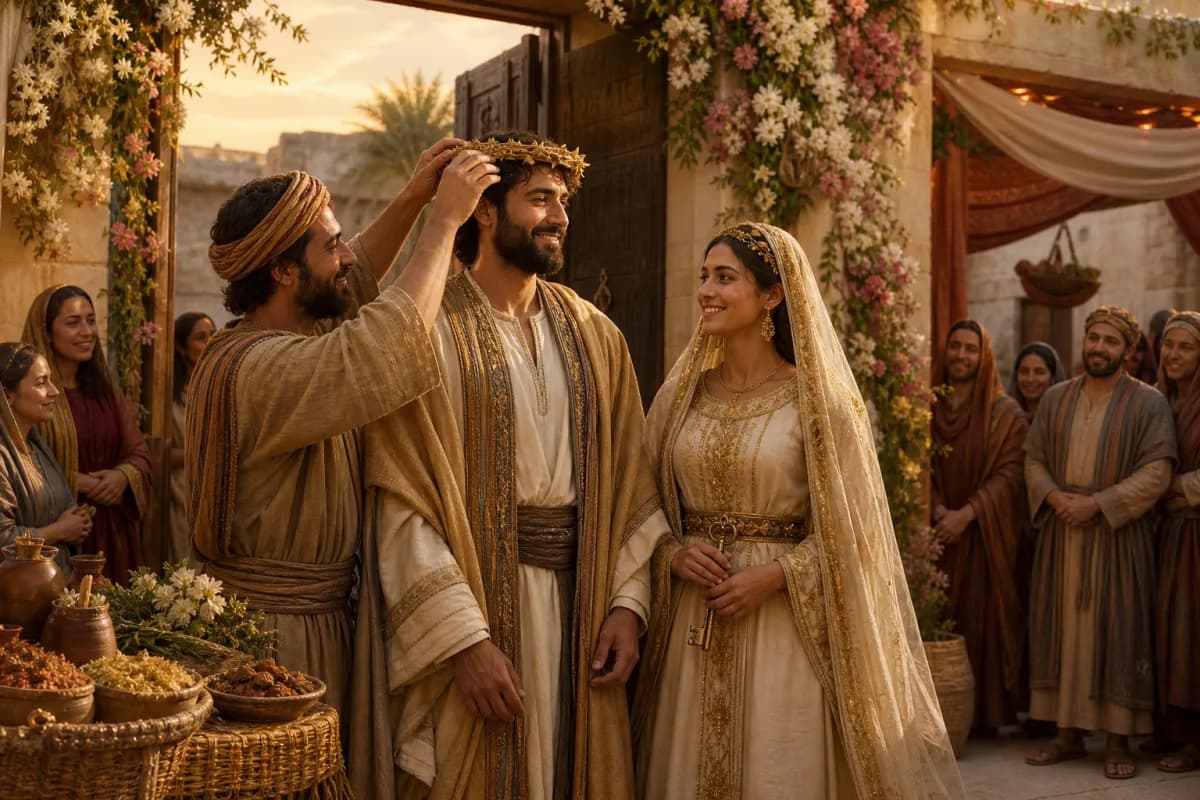
Song of Songs 3:6–5:1 moves from a royal wedding procession to lavish mutual praise. Solomon’s litter and crown give public splendor to the scene; gardens, spices, and sealed springs speak of beauty, exclusivity, and welcome between the lovers. The poem celebrates embodied delight without treating either person as merchandise, and it ends by inviting joy rather than secrecy or shame.

Study this passage →
Song of Songs 5:2–8:14

643 of 876 · Passage study

Song of Songs 5:2–8:14: Love’s Pursuit, Jealousy, and Unquenchable Strength

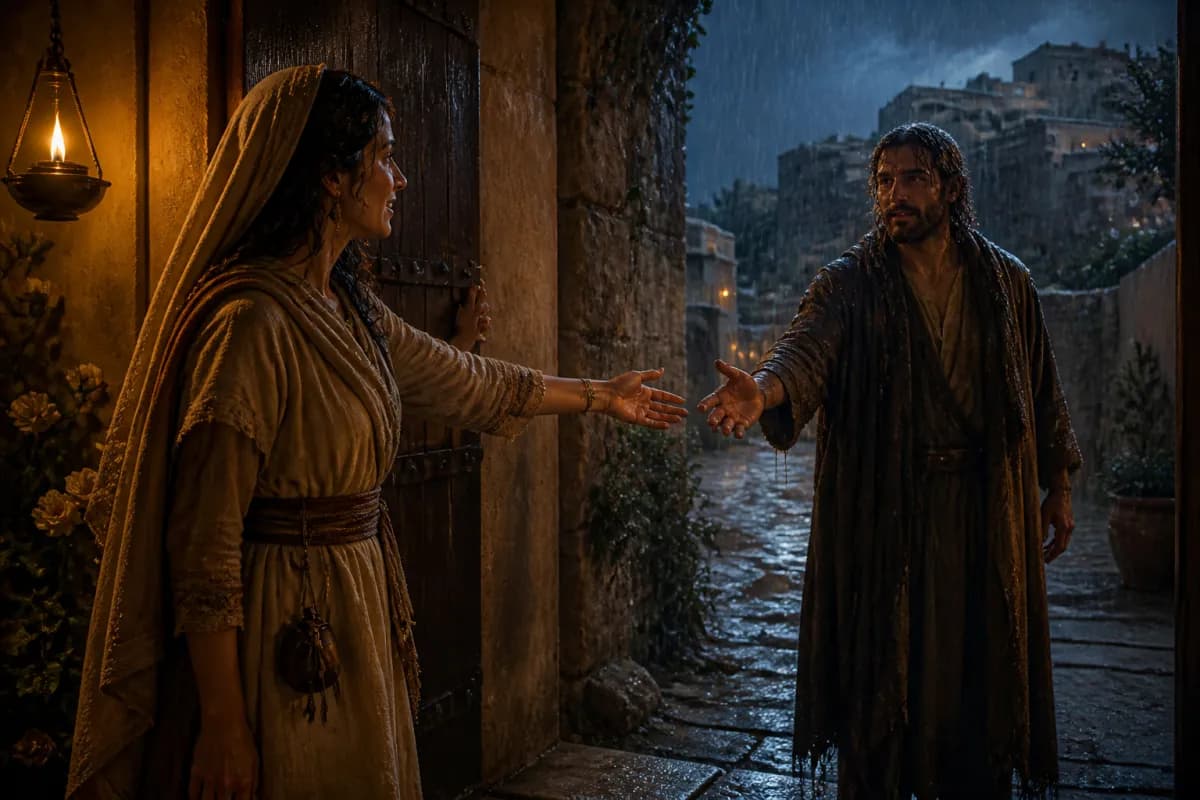
Song of Songs 5:2–8:14 follows a painful missed meeting, a search through the city, renewed praise of the beloved, and a final meditation on love that is strong as death. Watchmen wound the woman, friends ask what makes her beloved distinctive, and the lovers affirm mutual belonging. The closing seal, flame, waters, and vineyard teach that faithful love cannot be purchased or casually extinguished.

Study this passage →
Isaiah 1:1–5:30

644 of 876 · Passage study

Judah’s Wound, God’s Justice, and the Holy Mountain

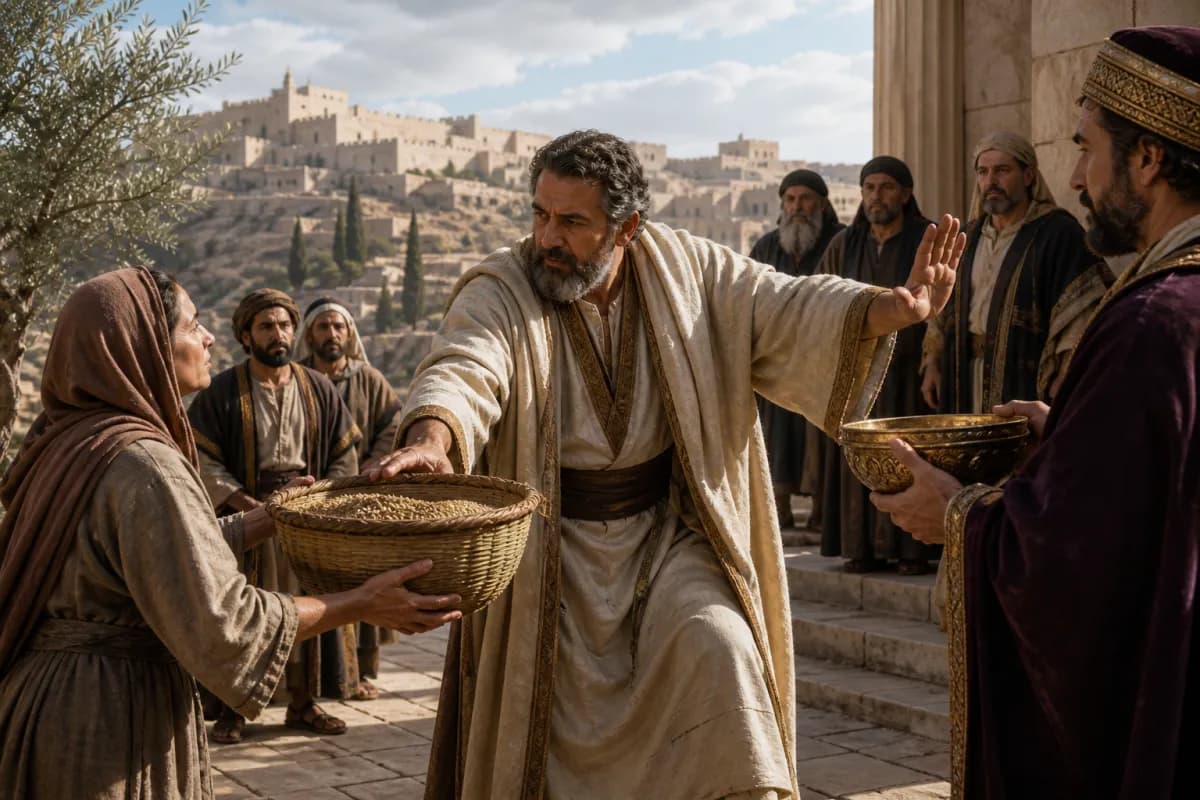
Isaiah 1–5 opens with the Lord’s lawsuit against a rebellious Judah whose worship is detached from justice, then holds out cleansing, Zion’s future, and a coming day that humbles human pride. The passage calls people to repent and points to Jesus, who bears sin’s stain, forms a just people, and brings the nations to God.

Study this passage →
Isaiah 6:1–12:6

645 of 876 · Passage study

The Holy King, a Cleansed Prophet, and Immanuel Hope

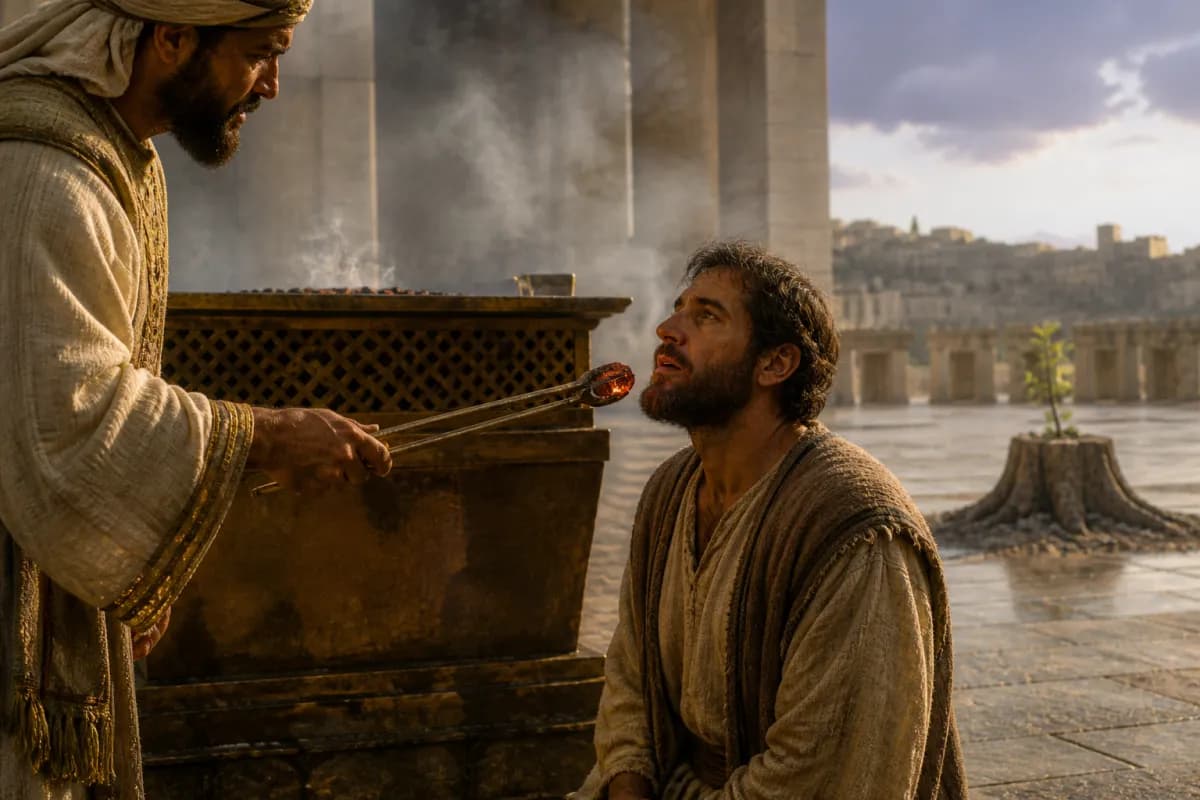
Isaiah 6–12 begins with Isaiah overwhelmed by the holiness of the enthroned Lord, cleansed by a coal from the altar, and sent to a resistant people. It then traces Judah’s fearful politics, the sign of Immanuel, judgment through Assyria, and the promised Davidic ruler whose reign brings peace. The passage points to Jesus, the holy King who cleanses sinners and brings God’s saving reign to the nations.

Study this passage →
Isaiah 13:1–23:18

646 of 876 · Passage study

The Judge of the Nations and the Refuge of the Poor

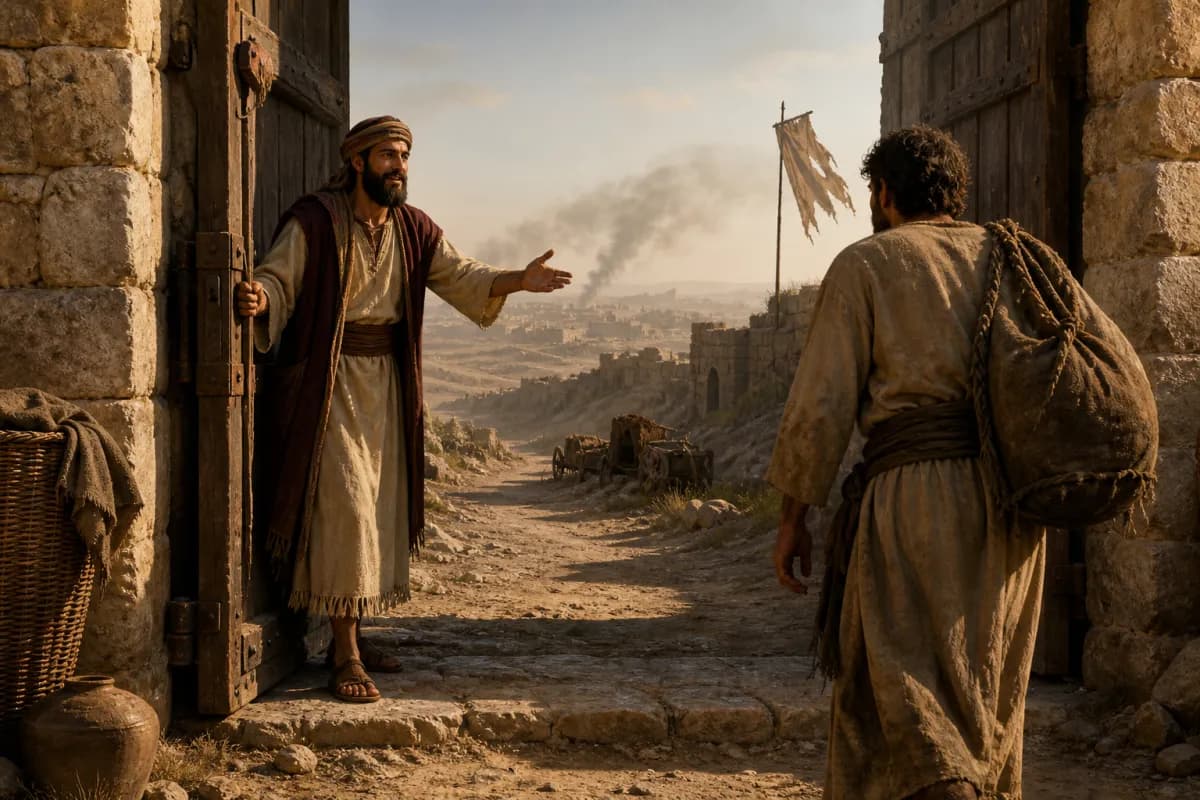
Isaiah 13–23 gathers oracles against Babylon and surrounding nations, showing that no empire, trading city, or military power escapes the Lord’s rule. The passage humbles national pride and directs readers to Jesus, the righteous Judge and merciful King who offers refuge to the poor and summons every nation to repentance.

Study this passage →
Isaiah 24:1–27:13

647 of 876 · Passage study

The City Brought Low and the Feast of Salvation

Isaiah 24–27 portrays worldwide judgment on a defiled earth, the downfall of the proud city, songs of trust from God’s people, and a final feast where death is swallowed up. The passage directs readers to Jesus, whose death and resurrection secure the victory over death and whose saving kingdom will finally renew creation.

Study this passage →
Isaiah 28:1–35:10

648 of 876 · Passage study

Woe, Trust, and the Highway of Holiness

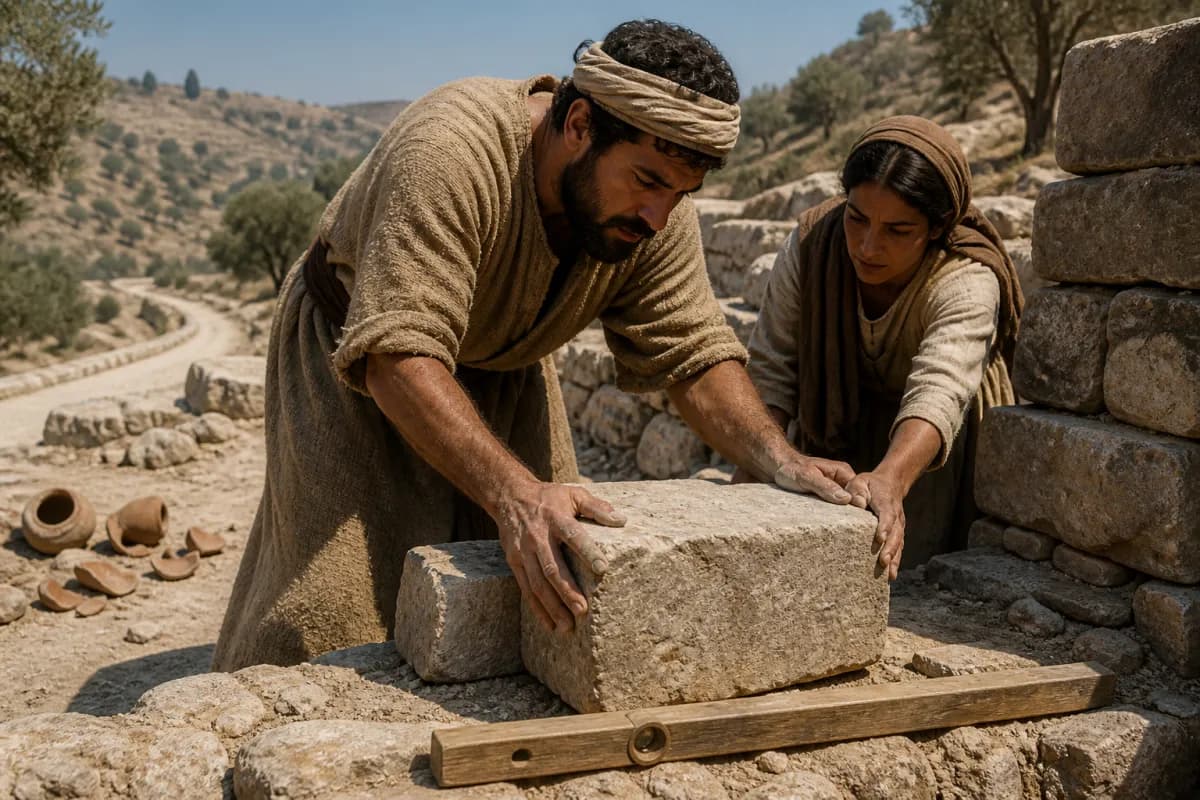
Isaiah 28–35 exposes leaders who seek security in drunkenness, deceit, Egypt, and military calculation, while promising a tested cornerstone, a righteous king, healing, and a holy highway for the redeemed. The passage directs readers to Jesus, God’s sure foundation, whose saving reign gives refuge to those who turn from false trusts.

Study this passage →
Keep scrolling for the next passage.