Truth-Scrolling

Isaiah 36:1–39:8

649 of 876 · Passage study

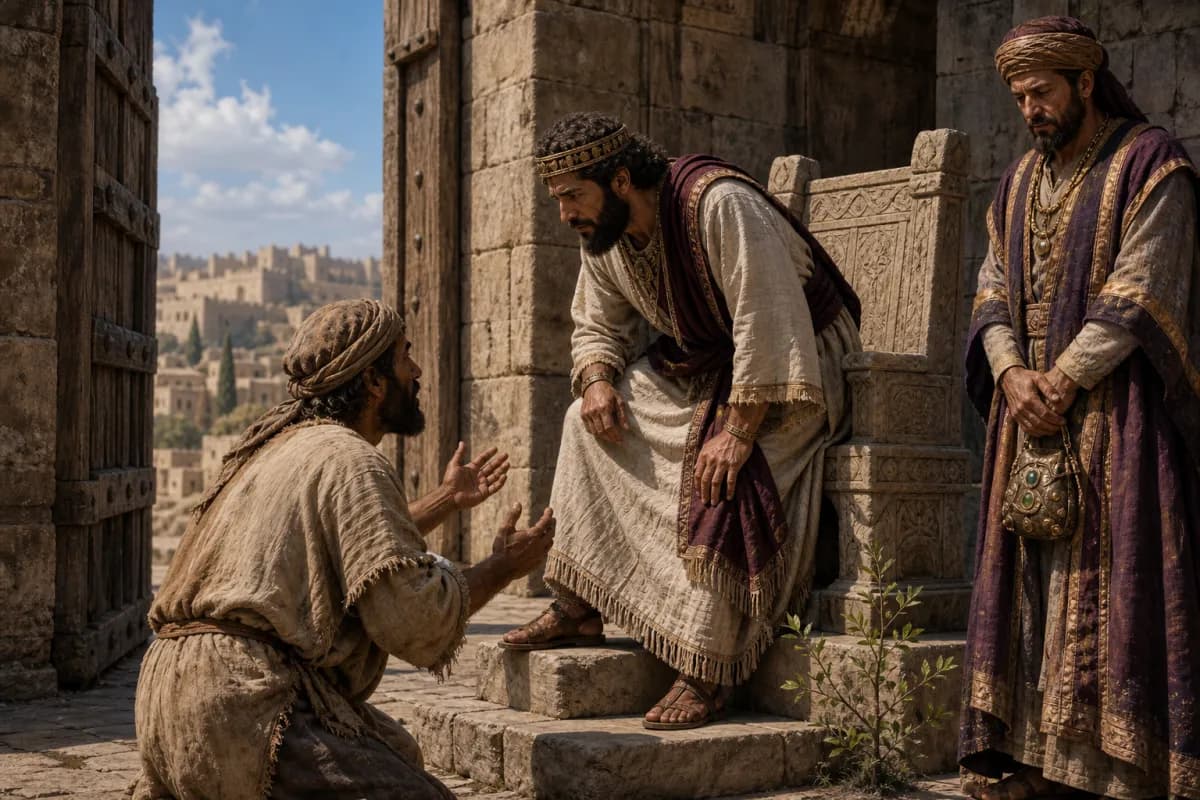
Hezekiah, Assyria, and the Word of the Lord

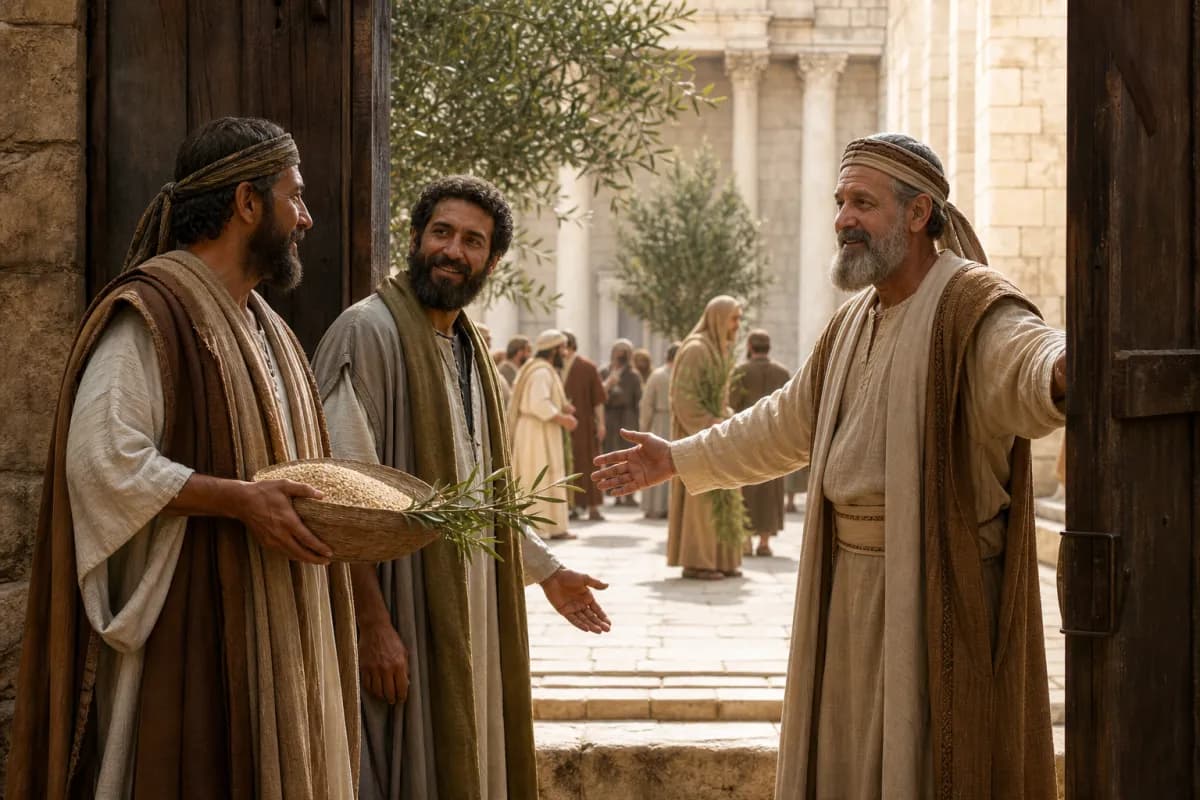
Isaiah 36–39 places arrogant Assyria outside Jerusalem, records Hezekiah’s prayer and God’s deliverance, then turns to the king’s illness and his pride before Babylonian envoys. The passage reveals that God hears His people and humbles empire, while even a faithful king needs a greater Savior. It points to Jesus, the obedient Son of David who brings God’s salvation to the nations.
Study this passage →
Isaiah 40:1–48:22

650 of 876 · Passage study

Comfort, the Servant, and the Lord Above Idols

Isaiah 40–48 speaks comfort to a people facing exile by announcing the incomparable Creator, exposing lifeless idols, and naming God’s servant and Cyrus as instruments of His purpose. The passage directs readers to Jesus, the Servant who reveals God’s glory, carries salvation to the nations, and frees people from idolatry.

Study this passage →
Isaiah 49:1–55:13

651 of 876 · Passage study

The Servant, Zion, and Salvation to the Ends of the Earth

Isaiah 49–55 presents the servant called from the womb, rejected yet vindicated, who bears the sins of many, while Zion is comforted and invited to God’s free covenant mercy. The passage gives one of Scripture’s clearest portraits of God’s saving mission and points directly to Jesus, the suffering and risen Servant who brings forgiveness and gathers the nations.

Study this passage →
Isaiah 56:1–66:24

652 of 876 · Passage study

True Worship, the Suffering Servants, and New Creation

Isaiah 56–66 calls God’s restored people to justice, Sabbath faithfulness, humble worship, and repentance while confronting corrupt leaders and promising a new heavens and new earth. The passage directs readers to Jesus, who welcomes outsiders, bears the good news to the broken, and will complete God’s new creation.

Study this passage →
Jeremiah 1:1–3:25

653 of 876 · Passage study

The Lord Who Calls Jeremiah and Remembers Judah’s First Love

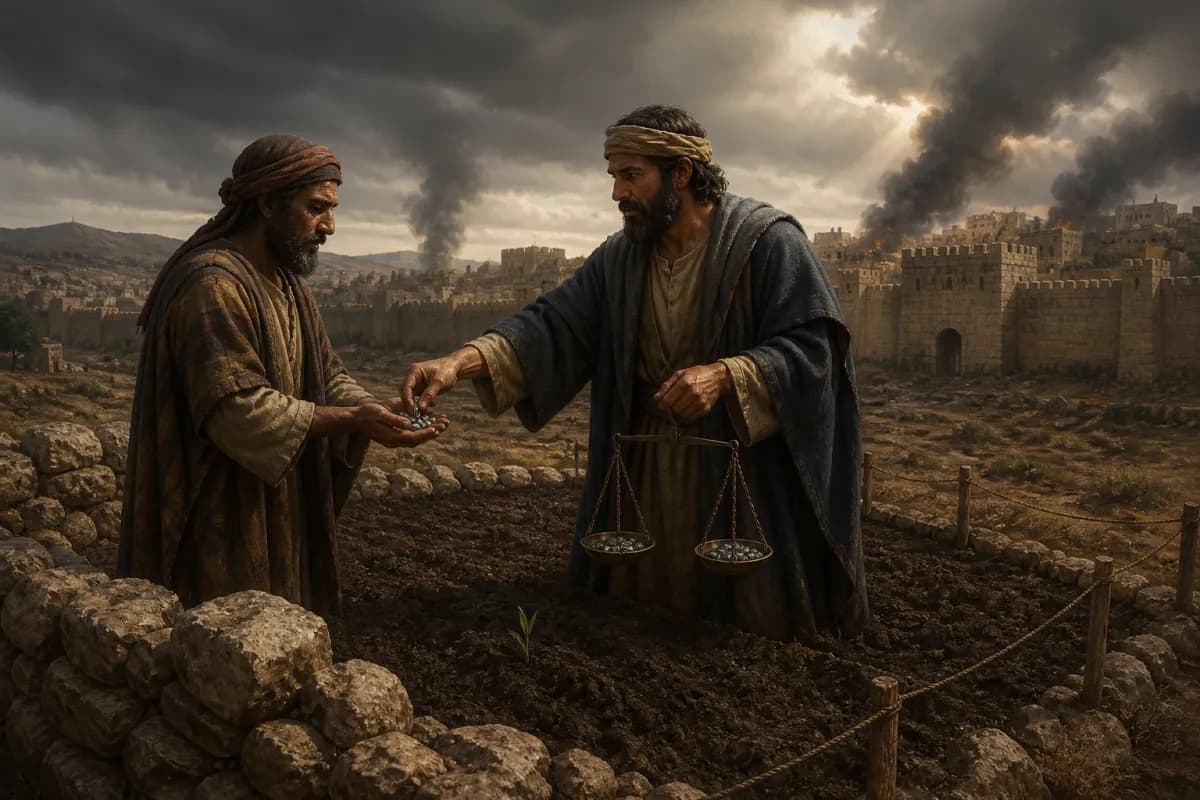
Jeremiah 1–3 opens with the Lord appointing a reluctant young prophet to uproot and build, then exposing Judah’s betrayal through the image of a faithless spouse. God’s judgment is real, yet His repeated call to return reveals covenant mercy. The passage prepares readers for Jesus, who gathers an unfaithful people through His saving love and makes them new by His Spirit.

Study this passage →
Jeremiah 4:1–6:30

654 of 876 · Passage study

A Heart Circumcised for the Lord before the Storm Breaks

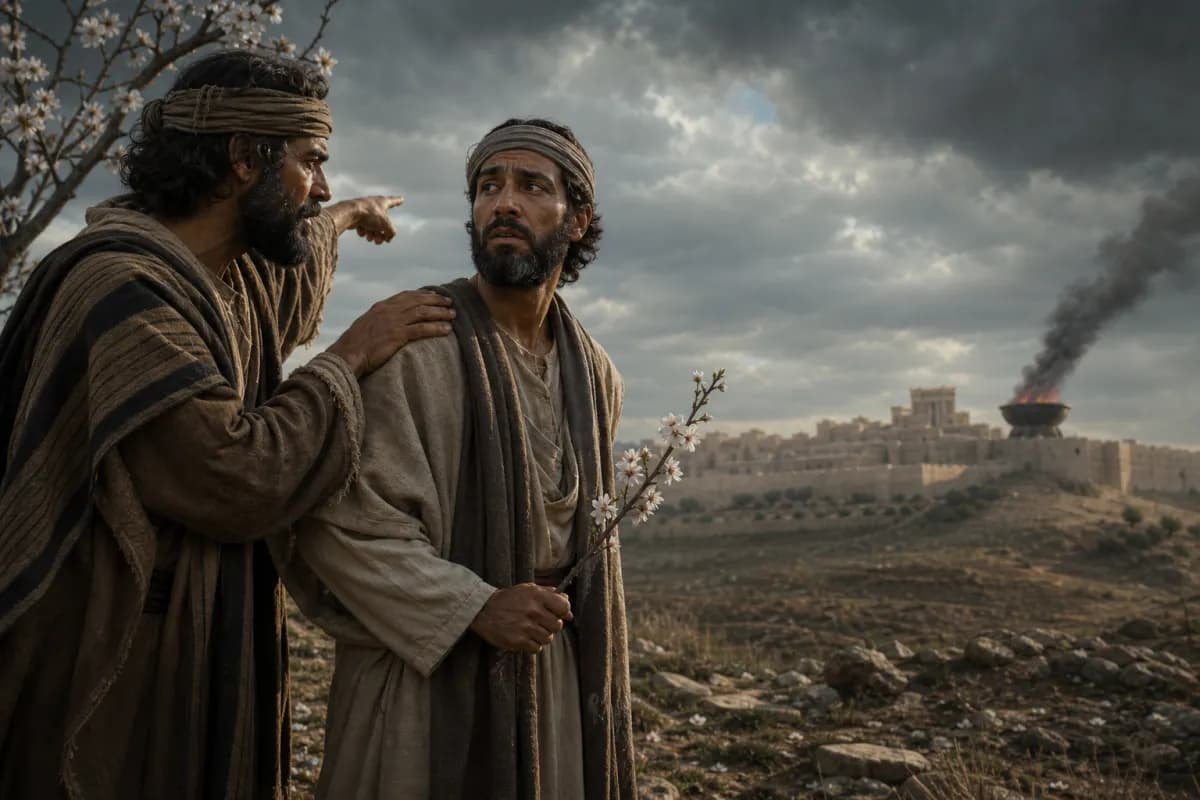
Jeremiah 4–6 calls Judah to return with a changed heart while disaster from the north draws near. The prophet exposes false peace, corrupt leaders, and a people who know how to do evil but not good. God’s warnings are meant to awaken repentance, and they point to Jesus, who bears judgment for sinners and gives the heart-renewal the covenant people need.

Study this passage →
Jeremiah 7:1–10:25

655 of 876 · Passage study

The Temple Cannot Shelter a People Who Refuse the Lord’s Ways

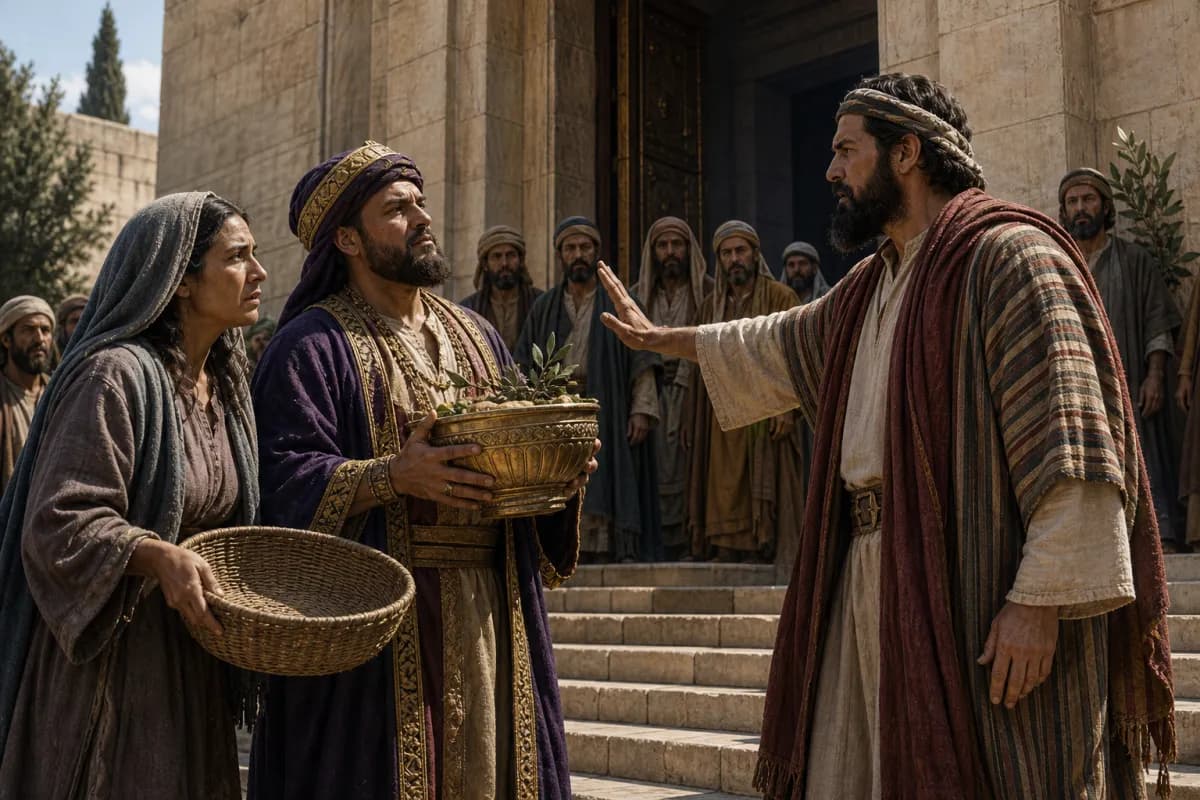
Jeremiah 7–10 confronts Judah’s confidence in the temple while theft, oppression, idolatry, and child sacrifice continue in the land. The Lord will not let His house become a talisman or a den for robbers. The sermon leads to Jesus, who judges corrupt worship, bears sin’s cost, and builds a people who truly know and obey God.

Study this passage →
Jeremiah 11:1–20:18

656 of 876 · Passage study

The Broken Covenant and a Prophet Who Brings His Case to God

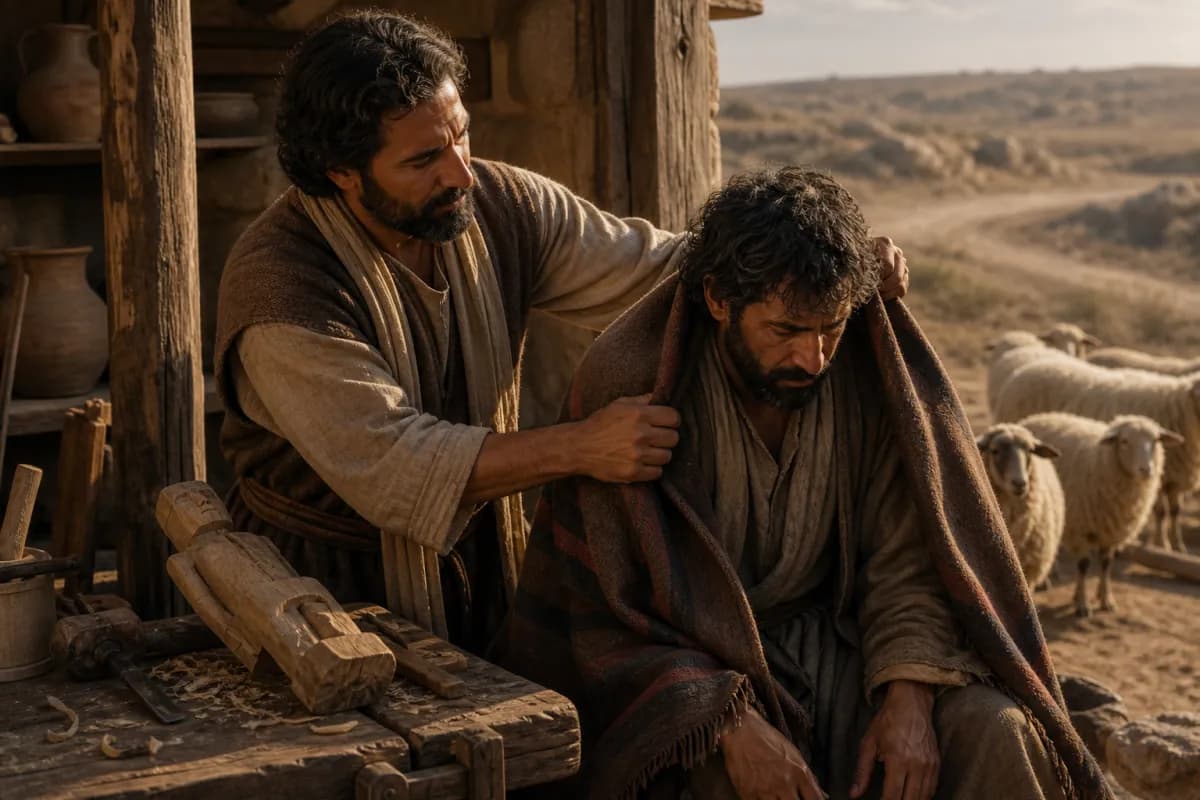
Jeremiah 11–20 announces covenant judgment on Judah while revealing the cost of speaking God’s word. The people plot against Jeremiah, and he pours out grief, confusion, and complaint before the Lord. These laments show that faithful witness can be painful, and they point to Jesus, the rejected righteous sufferer who bears sin’s judgment and brings His people into the new covenant.

Study this passage →
Jeremiah 21:1–25:38

657 of 876 · Passage study

David’s House under Judgment and the Promise of a Righteous King

Jeremiah 21–24 answers Judah’s last kings as Babylon closes in. The Lord commands the house of David to do justice, exposes rulers who exploit their people, and announces exile for faithless shepherds. Yet amid judgment He promises a righteous Branch from David who will reign wisely. The passage directs readers to Jesus, the true King who saves His people and rules with righteousness.

Study this passage →
Jeremiah 26:1–29:32

658 of 876 · Passage study

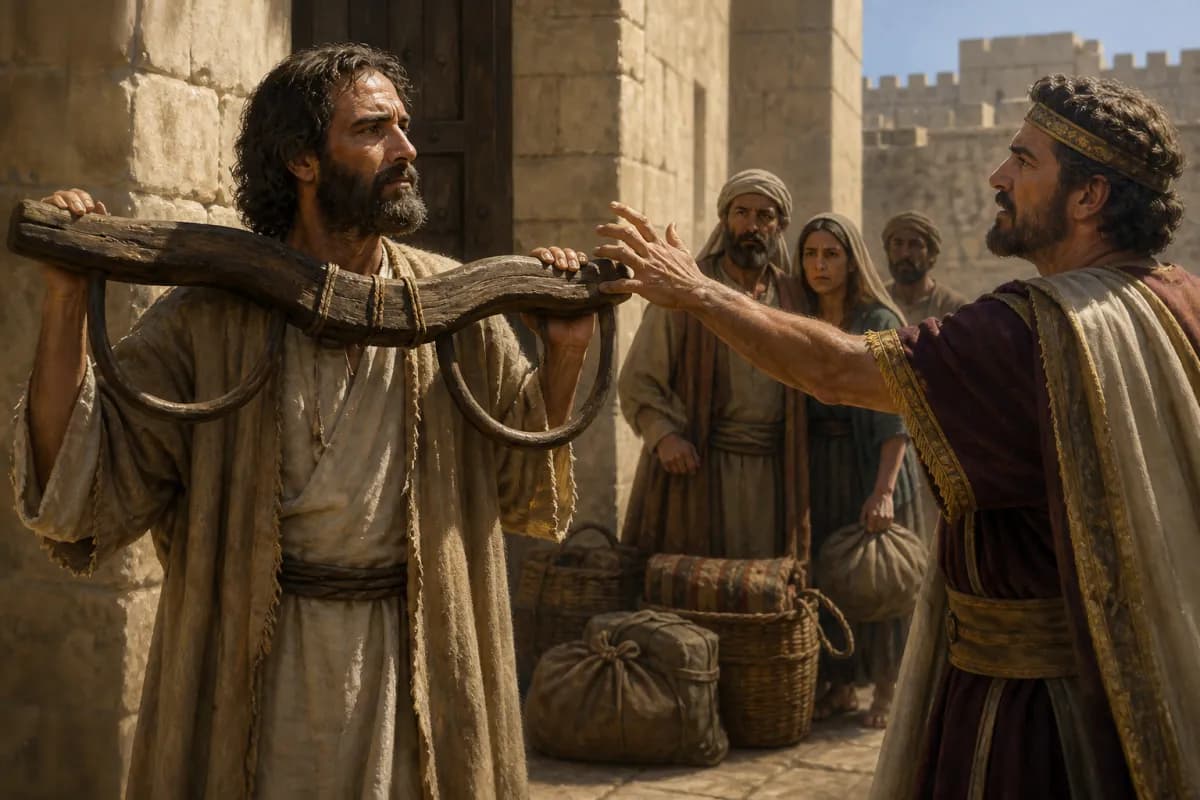
The Word That Cannot Be Replaced by a Peaceful Lie

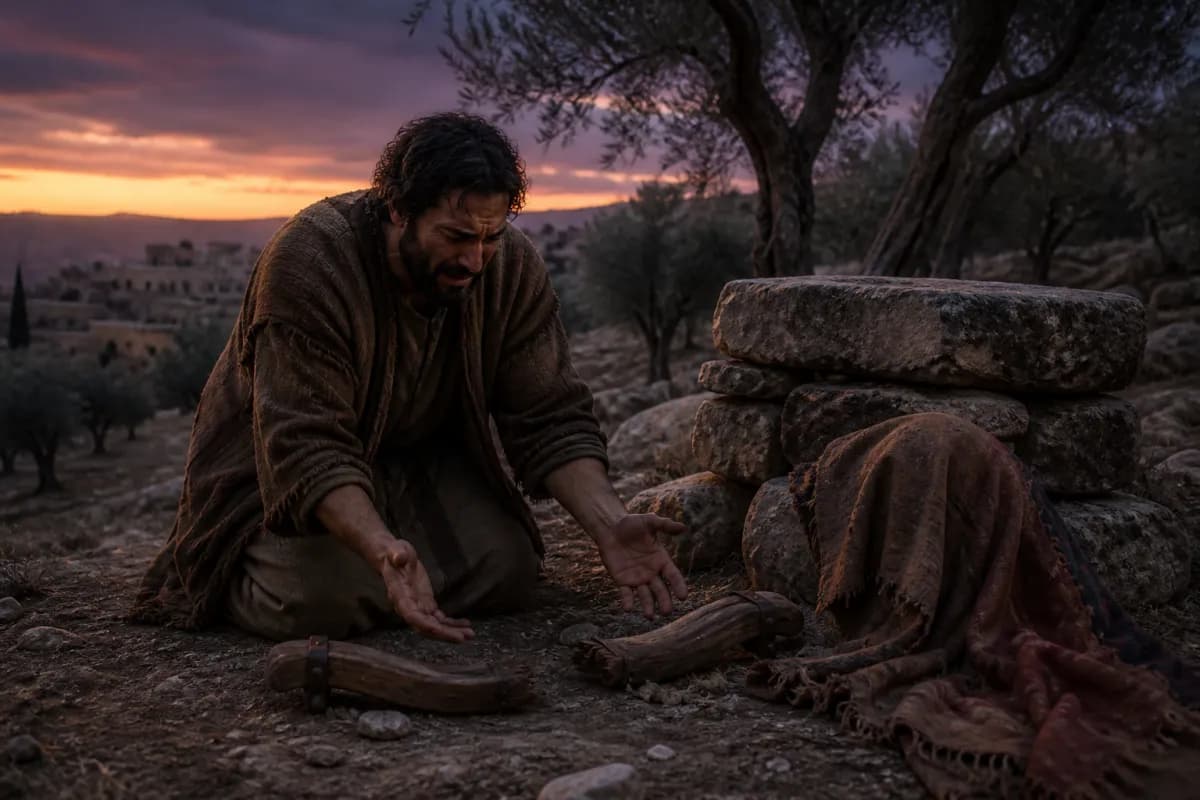
Jeremiah 26–29 sets the Lord’s costly word against messages of safety that He has not spoken. Jeremiah risks death at the temple, contends with Hananiah’s broken-yoke prophecy, and writes exiles to seek Babylon’s welfare while they wait for God’s promised restoration. The chapters teach that true hope submits to God’s word, and they prepare us for Christ, whose peace comes through His saving obedience rather than denial of sin or judgment.

Study this passage →
Jeremiah 30:1–33:26

659 of 876 · Passage study

The New Covenant Written on Hearts and Secured by the Lord

Jeremiah 30–33 speaks consolation into the wreckage Judah deserves: God will restore Jacob, gather Israel and Judah, raise up a righteous Davidic ruler, and make a new covenant. These promises do not minimize exile; they answer it with God’s own forgiving and renewing action. Jesus explicitly identifies His blood with the new covenant, bringing forgiveness and the inward renewal Jeremiah foresaw.

Study this passage →
Jeremiah 34:1–36:32

660 of 876 · Passage study

Freedom Revoked, the Scroll Burned, and the Word That Endures

Jeremiah 34–36 exposes Jerusalem’s final refusal to obey while Babylon closes in. The people free enslaved Hebrews and then enslave them again; King Zedekiah receives a personal warning; and King Jehoiakim burns Jeremiah’s scroll. God’s word remains after the scroll burns, and the broken promise of release reveals Judah’s need for the liberating grace Christ secures.

Study this passage →
Keep scrolling for the next passage.