Truth-Scrolling

Jeremiah 37:1–39:18

661 of 876 · Passage study

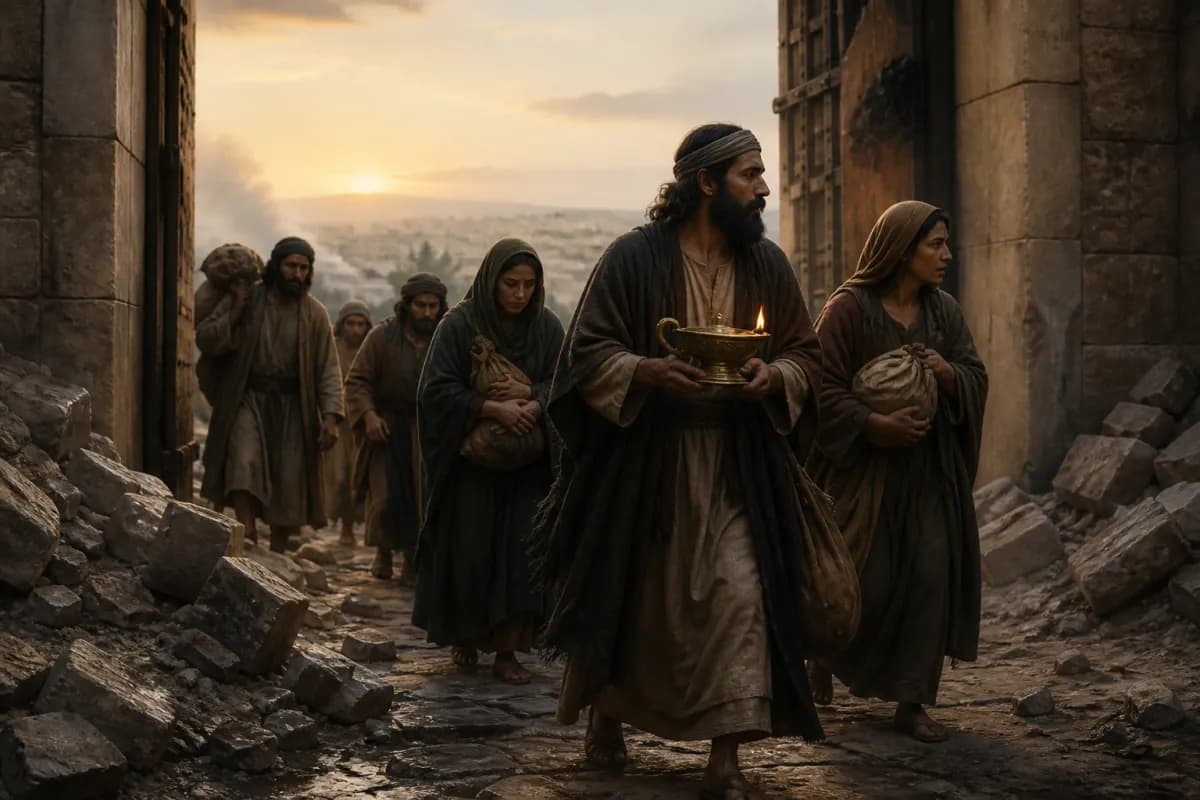
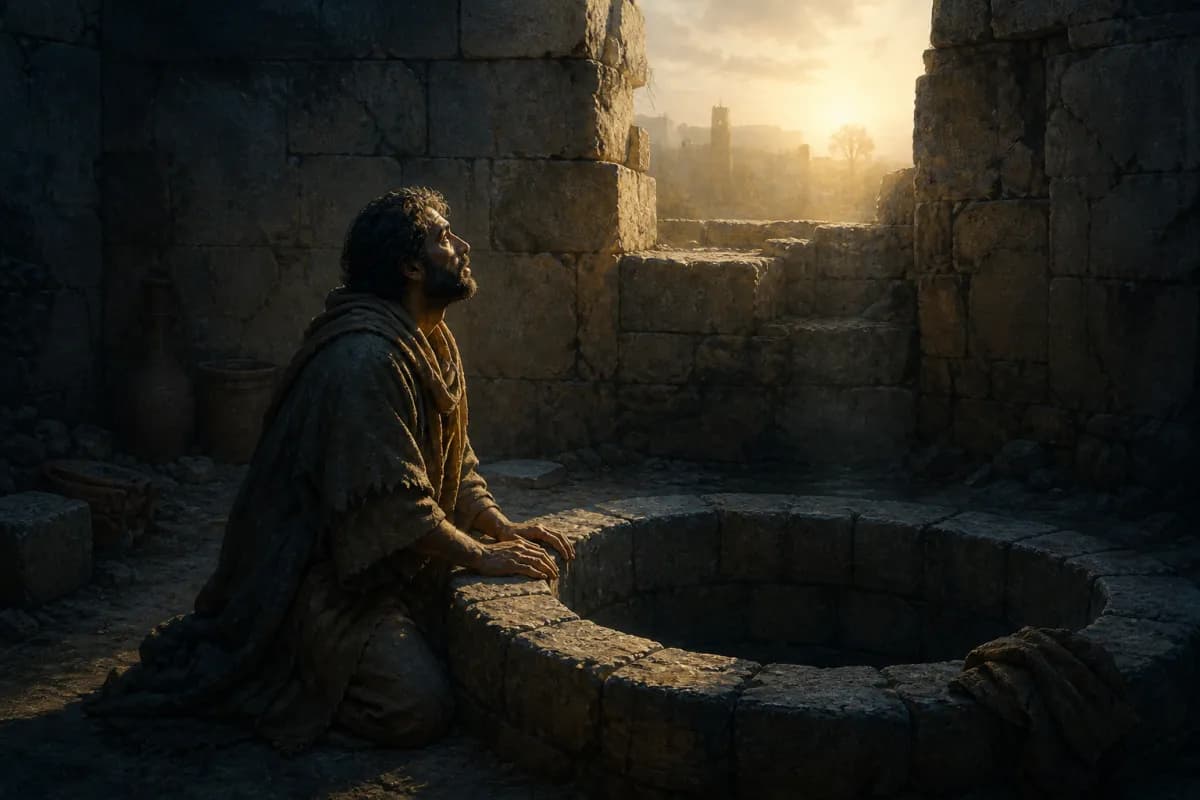
The Prophet in the Cistern and the City That Refused Rescue

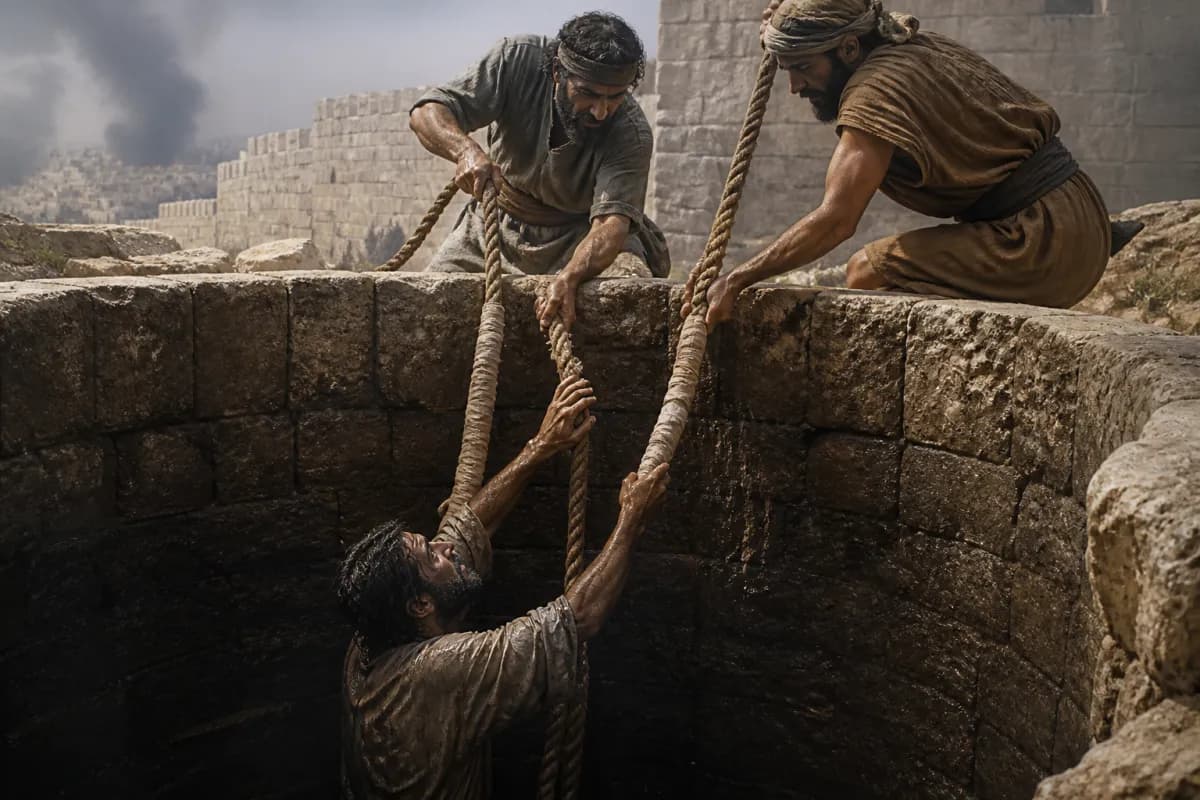
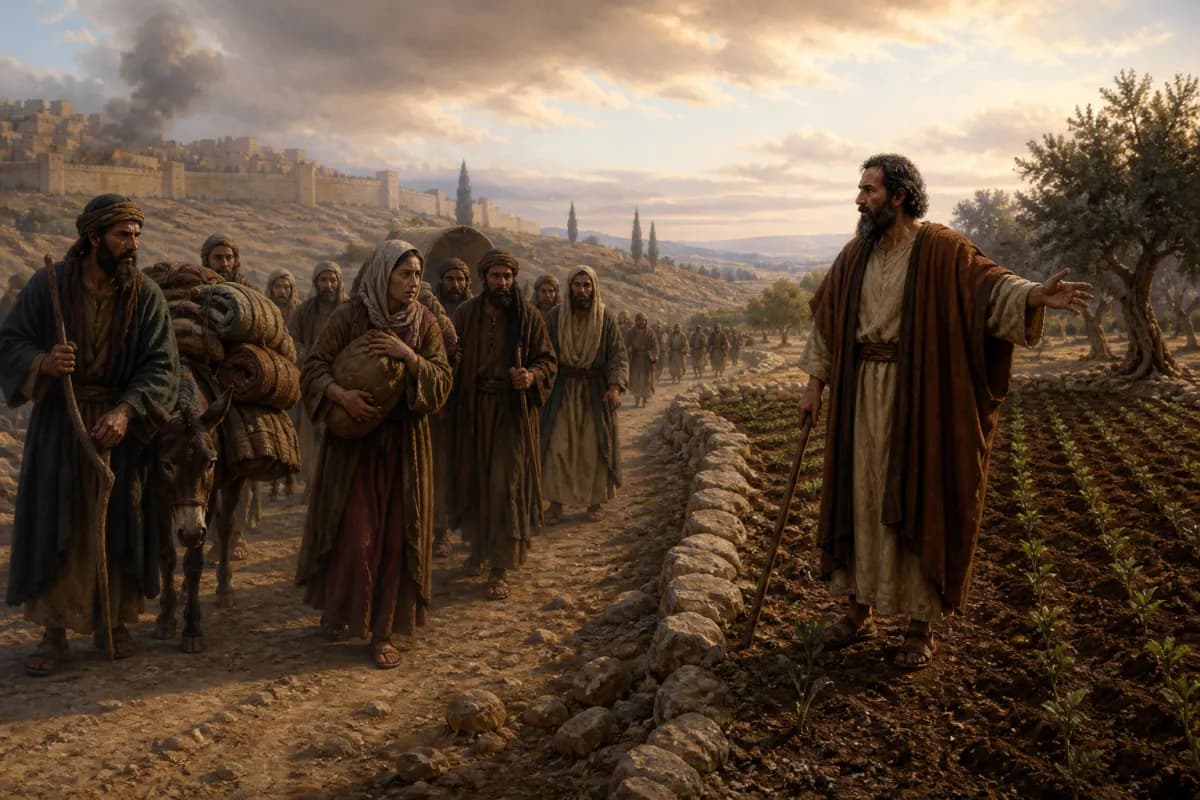
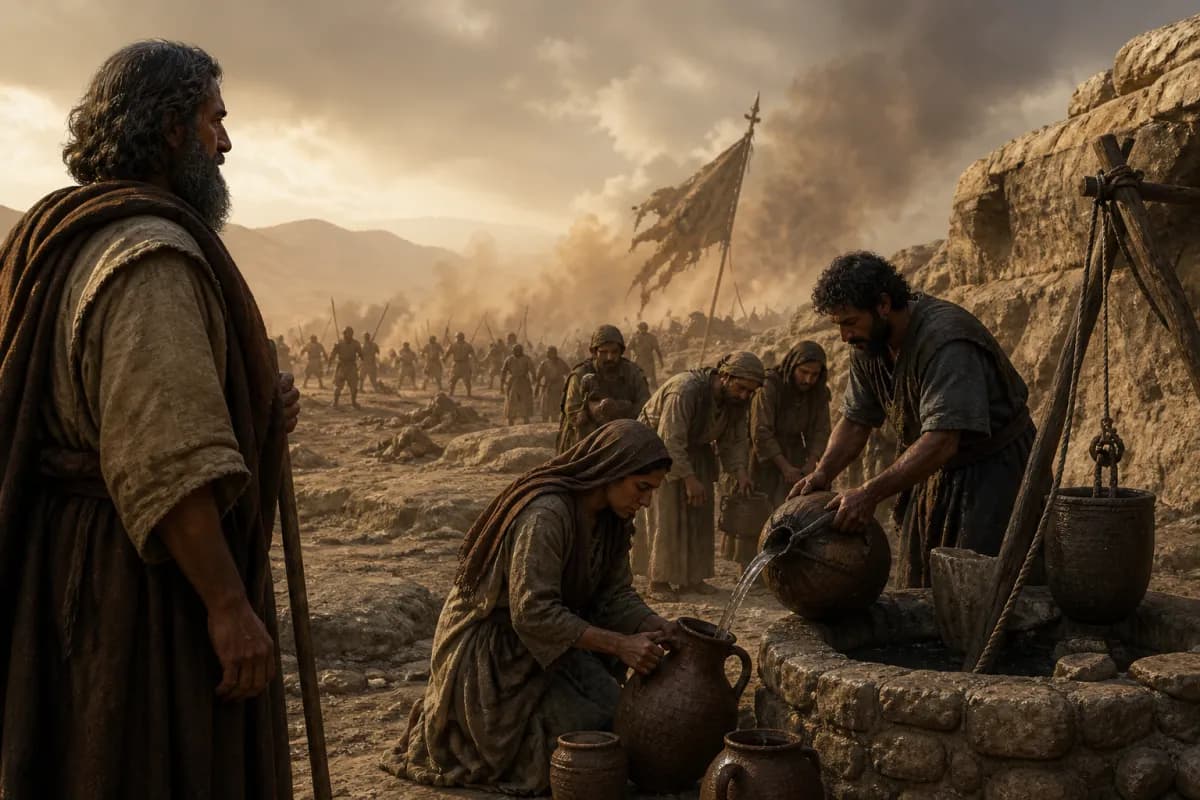
Jeremiah 37–39 follows Jerusalem through its last siege as its leaders seek a favorable word but reject the word God gives. Jeremiah is beaten, imprisoned, lowered into a muddy cistern, rescued by Ebed-melech, and finally released after Babylon takes the city. The rejected prophet foreshadows Christ’s suffering witness, while the city’s fall shows the deadly cost of refusing God’s offered way of life.
Study this passage →
Jeremiah 40:1–45:5

662 of 876 · Passage study

The Remnant That Feared Babylon More Than the Lord

Jeremiah 40–45 follows the small remnant left after Jerusalem’s fall. Gedaliah urges them to settle under Babylonian rule, Ishmael murders him, and the frightened survivors ask Jeremiah to seek God’s direction before refusing the command to remain in Judah. Their flight to Egypt repeats an old bondage, yet God preserves Jeremiah and speaks hope even to the discouraged Baruch. The passage calls readers to trust Christ’s word when fear makes self-protection look wiser than obedience.

Study this passage →
Jeremiah 46:1–51:64

663 of 876 · Passage study

The Lord Who Judges the Nations and Keeps His Covenant Word

Jeremiah 46–51 announces the Lord’s judgments on Egypt, Philistia, Moab, Ammon, Edom, Damascus, Kedar, Elam, and Babylon. The nations’ armies, wealth, gods, and walls cannot secure them against their Maker. Yet the oracles repeatedly preserve hope for Jacob, showing that God’s judgment of arrogant powers serves His covenant purpose and prepares readers for Christ’s righteous reign over every nation.

Study this passage →
Jeremiah 52:1–52:34

664 of 876 · Passage study

Jerusalem Falls, Yet God Leaves a Sign of Hope for David’s House

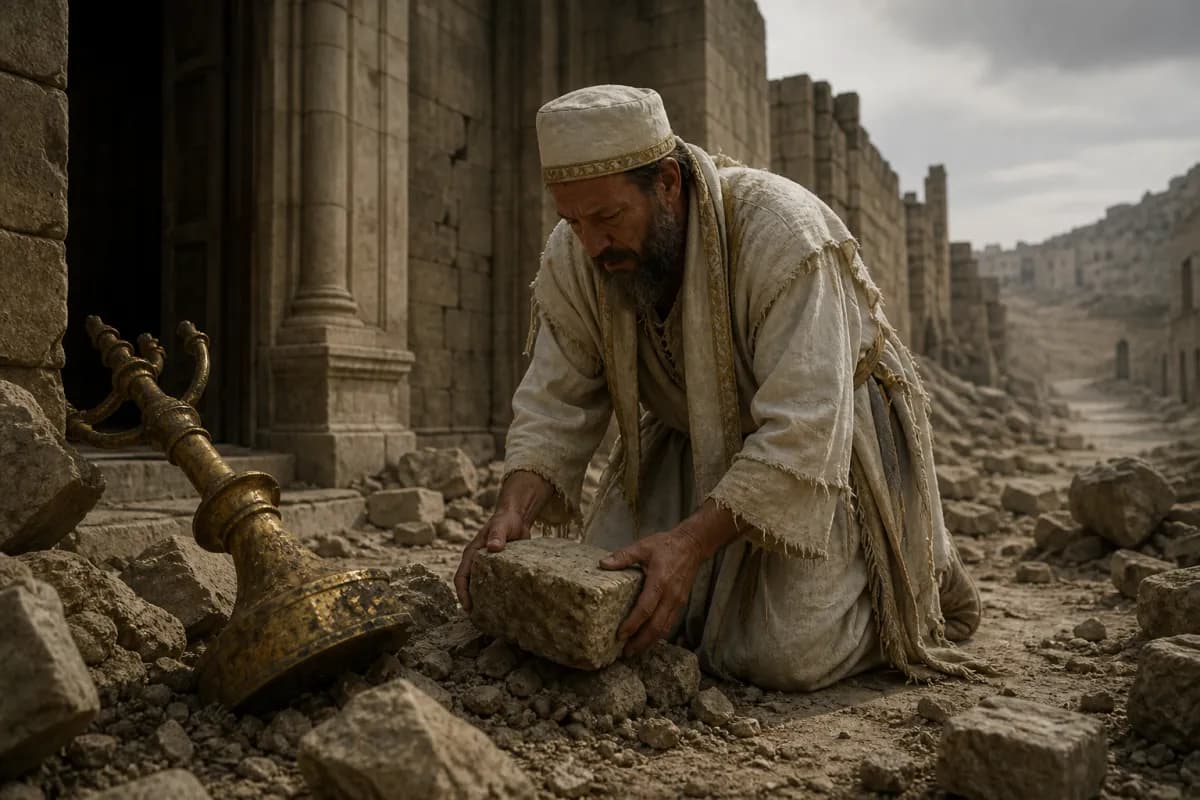
Jeremiah 52 recounts Jerusalem’s siege, Zedekiah’s capture, the temple’s destruction, the deportation of Judah, and the release of King Jehoiachin from prison. The chapter confirms that the covenant warnings spoken throughout Jeremiah were fulfilled with devastating precision. Its final mercy toward David’s imprisoned descendant does not undo the exile, but it keeps God’s promise alive and directs hope toward Jesus, the faithful Davidic King.

Study this passage →
Lamentations 1:1–1:22

665 of 876 · Passage study

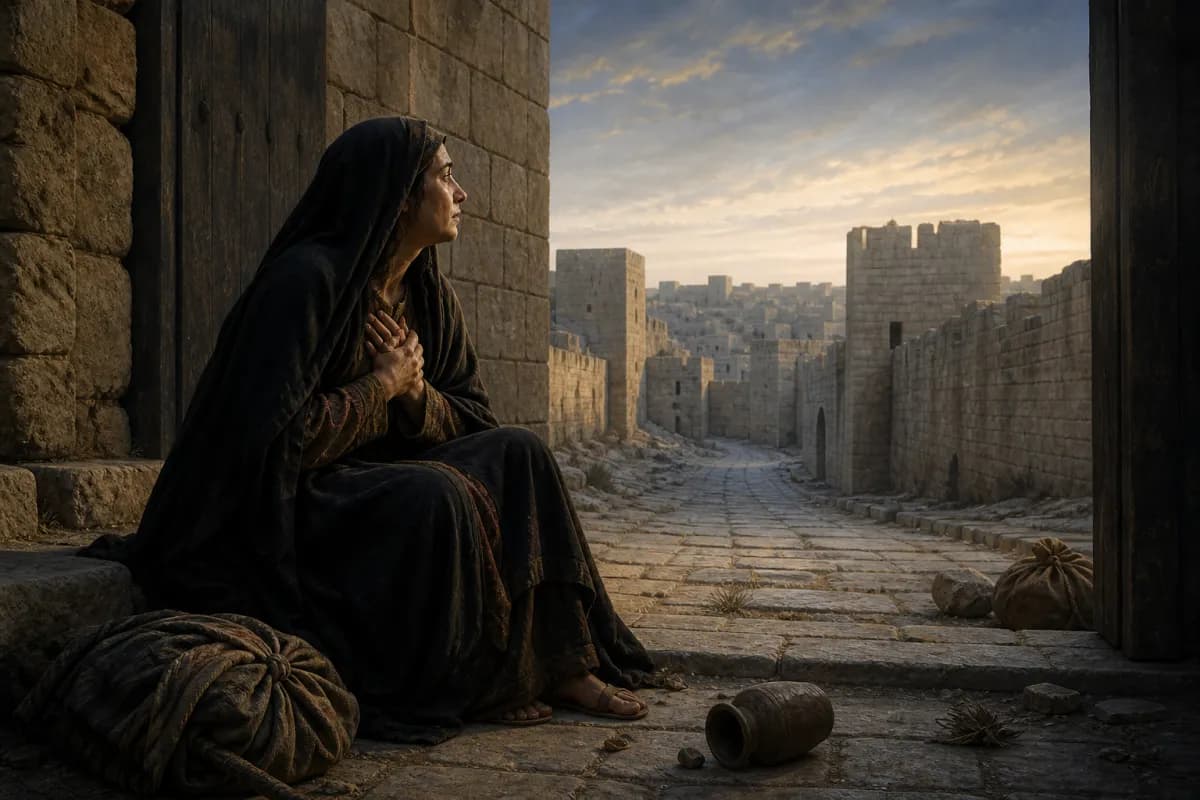
Jerusalem Sits Alone and Confesses Her Rebellion

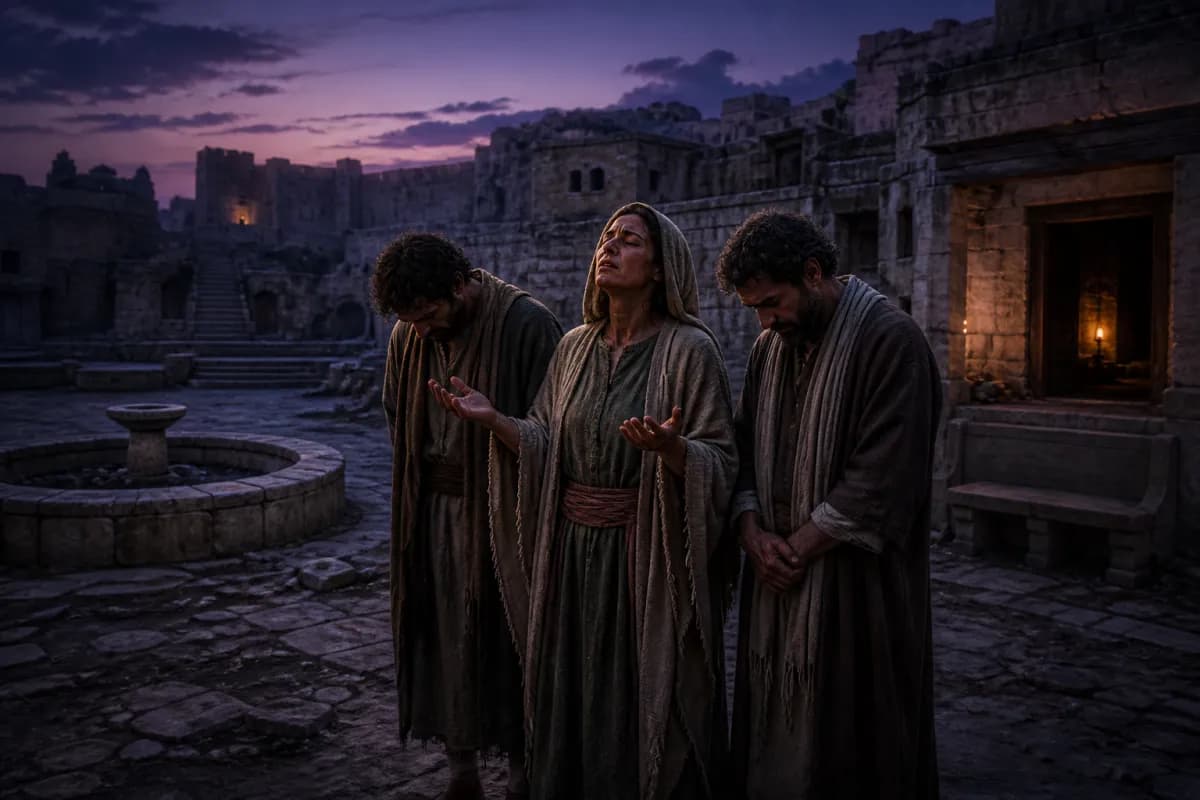
Lamentations 1 gives voice to Jerusalem after the Babylonian catastrophe. The once-crowded city sits like a widow; former friends have become enemies; priests groan and children have gone into captivity. The poem refuses easy explanations: Zion’s suffering is terrible, and Zion also confesses that the Lord is righteous because she rebelled. Her appeal for God to see her affliction teaches grieving sinners to bring both sorrow and guilt before Him.

Study this passage →
Lamentations 2:1–2:22

666 of 876 · Passage study

The Lord Has Brought Zion Down in His Anger

Lamentations 2 confronts the devastation of Zion as the work of the Lord’s holy anger against covenant rebellion. He has torn down strongholds, withdrawn protection, and allowed temple, king, prophet, children, and elders to fall silent. The poem does not accuse God of injustice; it calls Zion to pour out her heart before Him, rejects prophets who promised empty visions, and pleads over the terrible hunger within the besieged city.

Study this passage →
Lamentations 3:1–3:66

667 of 876 · Passage study

Hope Recalled in the Darkness of God’s Discipline

Lamentations 3 follows an afflicted man who feels pursued, shut in, mocked, and crushed beneath God’s rod. At the poem’s center he deliberately recalls the Lord’s steadfast love, mercy, and faithfulness, learning to wait quietly for God’s salvation. The chapter joins confession, protest, and hope: God does not afflict from His heart, hears the cry from the pit, and draws near to redeem the life of the one who calls.

Study this passage →
Lamentations 4:1–4:22

668 of 876 · Passage study

Gold Grown Dim and Zion’s False Hopes Exposed

Lamentations 4 mourns Jerusalem’s collapse through devastating reversals: gold grows dim, precious children are treated like clay jars, compassionate women cook their own children, nobles become unrecognizable, and priests wander bloodstained through the streets. The poem says Zion’s punishment is complete but exposes the sins of prophets and priests and the city’s futile hope in foreign rescue. Even Edom, which rejoices over Zion, will not escape God’s judgment.

Study this passage →
Lamentations 5:1–5:22

669 of 876 · Passage study

Restore Us to Yourself, O Lord

Lamentations 5 turns the book’s grief into a communal prayer. The survivors ask the Lord to remember their disgrace: inheritance given to strangers, children made fatherless, water and wood purchased at a price, exhausted labor, violated women, dishonored elders, and joy turned to mourning. They confess that they have sinned and ask God to restore them to Himself. The unresolved final question keeps the community waiting on His mercy.

Study this passage →
Ezekiel 1:1–3:27

670 of 876 · Passage study

The Glory of God and the Watchman’s Burden

Ezekiel 1–3 opens among exiles by the Chebar canal, where Ezekiel sees the Lord’s mobile glory, receives a scroll of lament, and is appointed as a watchman for Israel. God’s holiness is not confined to Jerusalem, and His hard word must be spoken. The passage directs readers to Jesus, the incarnate glory of God who brings God’s warning and mercy to sinners.

Study this passage →
Ezekiel 4:1–7:27

671 of 876 · Passage study

Jerusalem’s Siege Made Visible

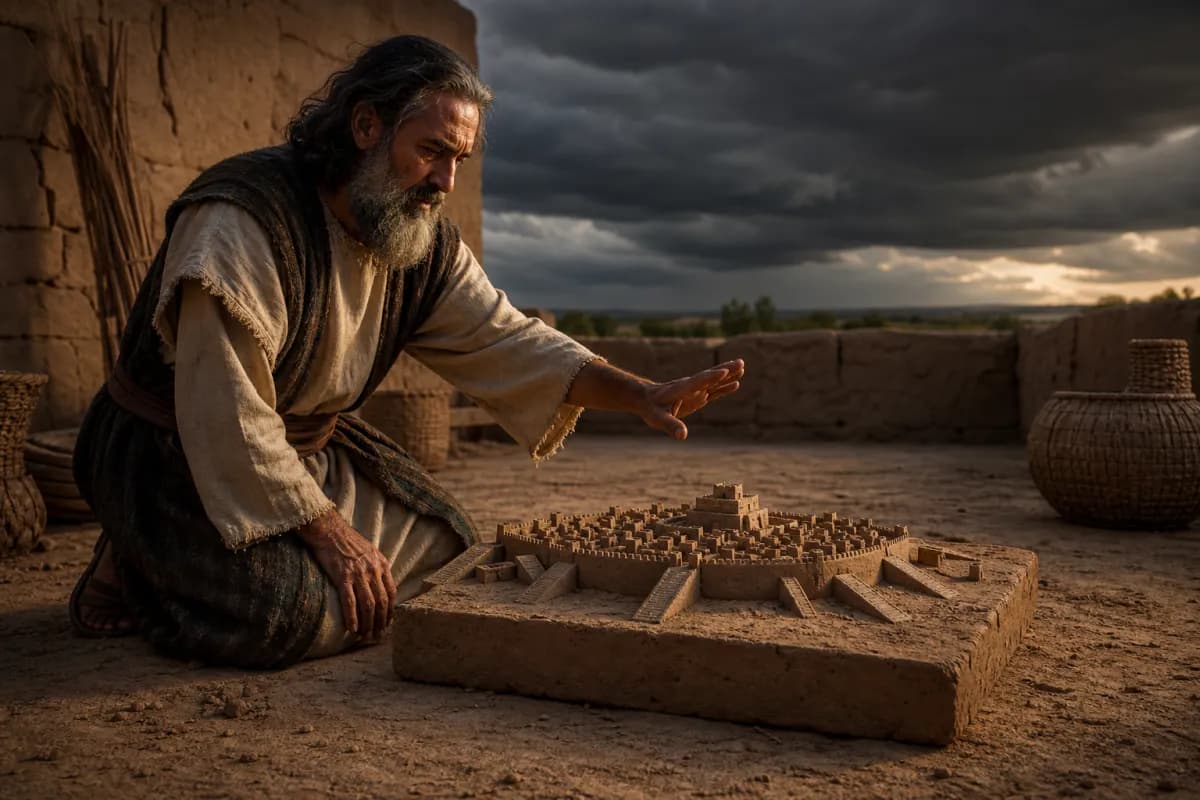
Ezekiel 4–7 makes Jerusalem’s coming siege visible through enacted signs: a brick city under attack, the prophet lying on his side, rationed food cooked under defiling conditions, shaved hair scattered to judgment, and an outstretched hand against the mountains of Israel. The signs expose entrenched idolatry and false security. They direct readers to Jesus, who bears judgment for sinners and calls His people from destructive trust in idols.

Study this passage →
Ezekiel 8:1–11:25

672 of 876 · Passage study

When the Glory Leaves a Defiled Temple

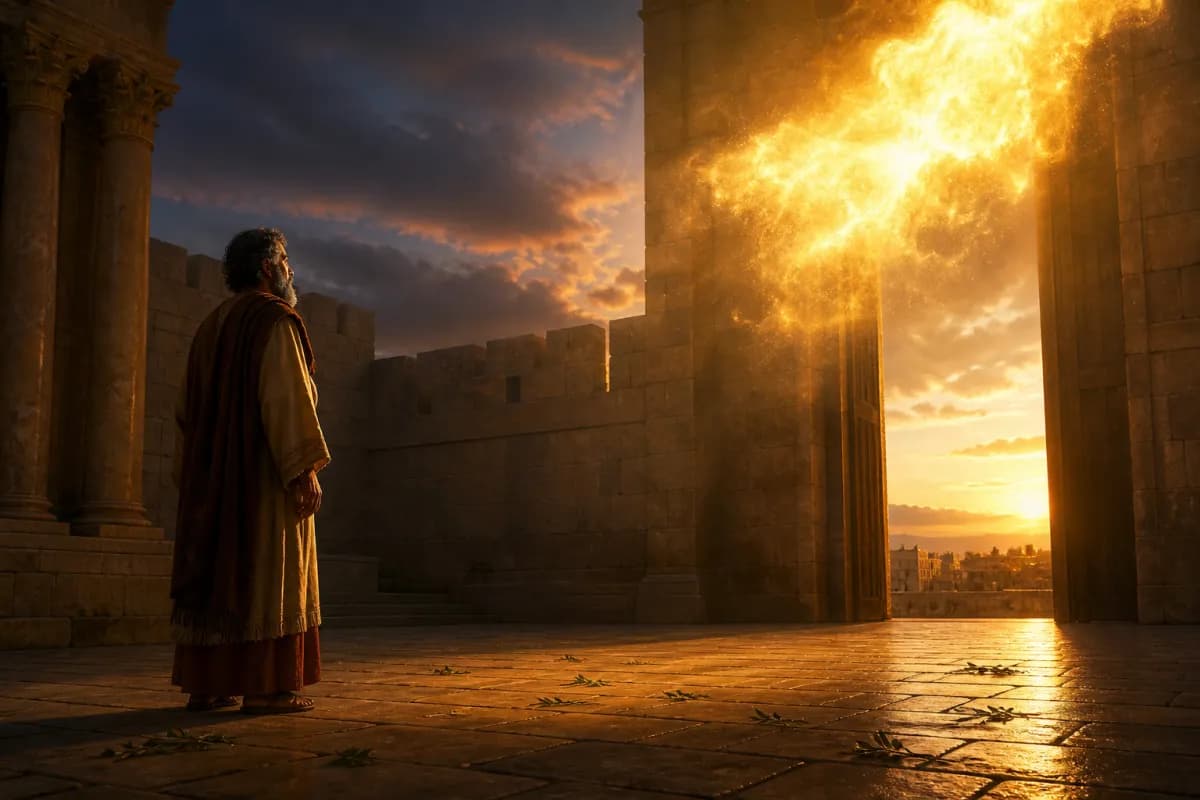
Ezekiel 8–11 brings the prophet in vision to Jerusalem’s temple, where leaders, women, and priests practice escalating idolatries while claiming that the Lord does not see. God judges those who grieve over the city’s abominations and His glory departs in stages from the sanctuary. The passage exposes false confidence in sacred space and points to Jesus, who bears judgment, cleanses worship, and makes God’s presence available to His people.

Study this passage →
Keep scrolling for the next passage.