Truth-Scrolling

Luke 1:1–2:52

757 of 876 · Passage study

The Savior Arrives within Israel’s Hope

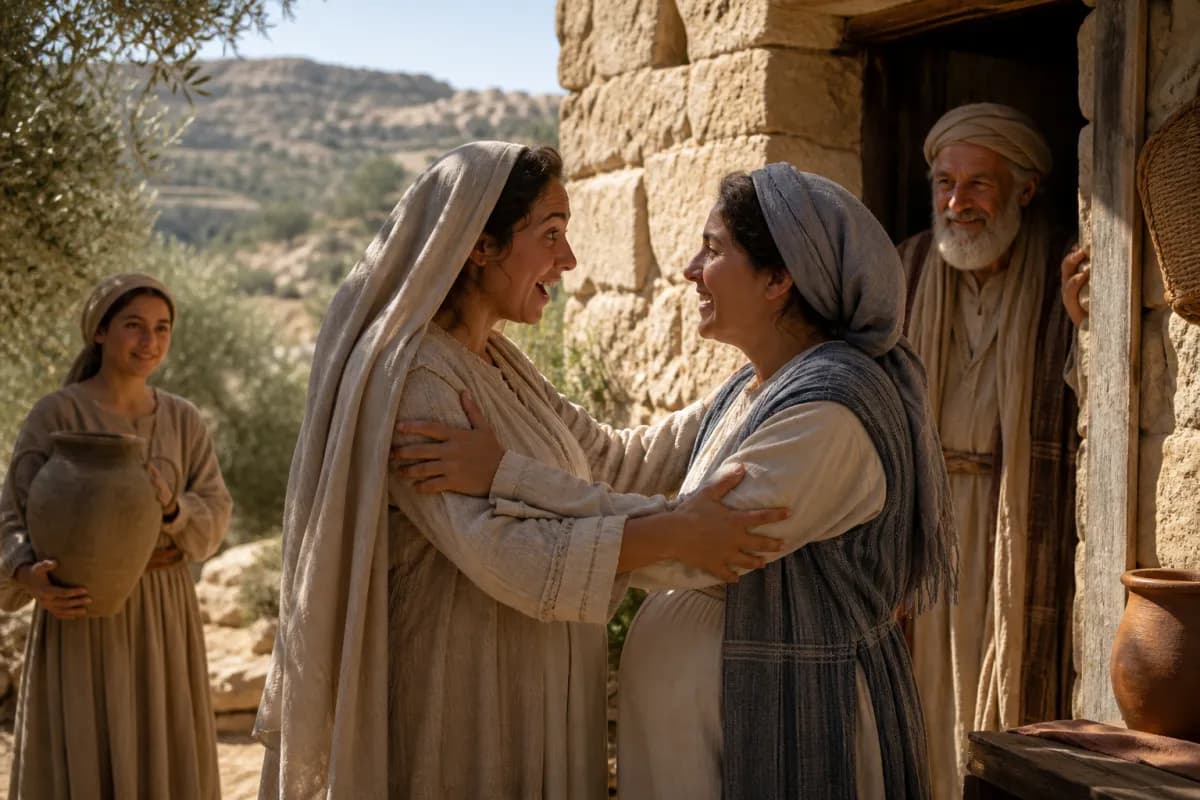
Luke 1–2 joins the births of John and Jesus to God’s remembered promises. In songs, angelic announcements, temple encounters, and Jesus’ first recorded words, the chapters identify Jesus as David’s promised King, the Lord’s salvation for Israel and the nations, and the Son who lives in relation to His Father.
Study this passage →
Luke 3:1–4:44

758 of 876 · Passage study

The Spirit-Anointed Son Announces God’s Favor

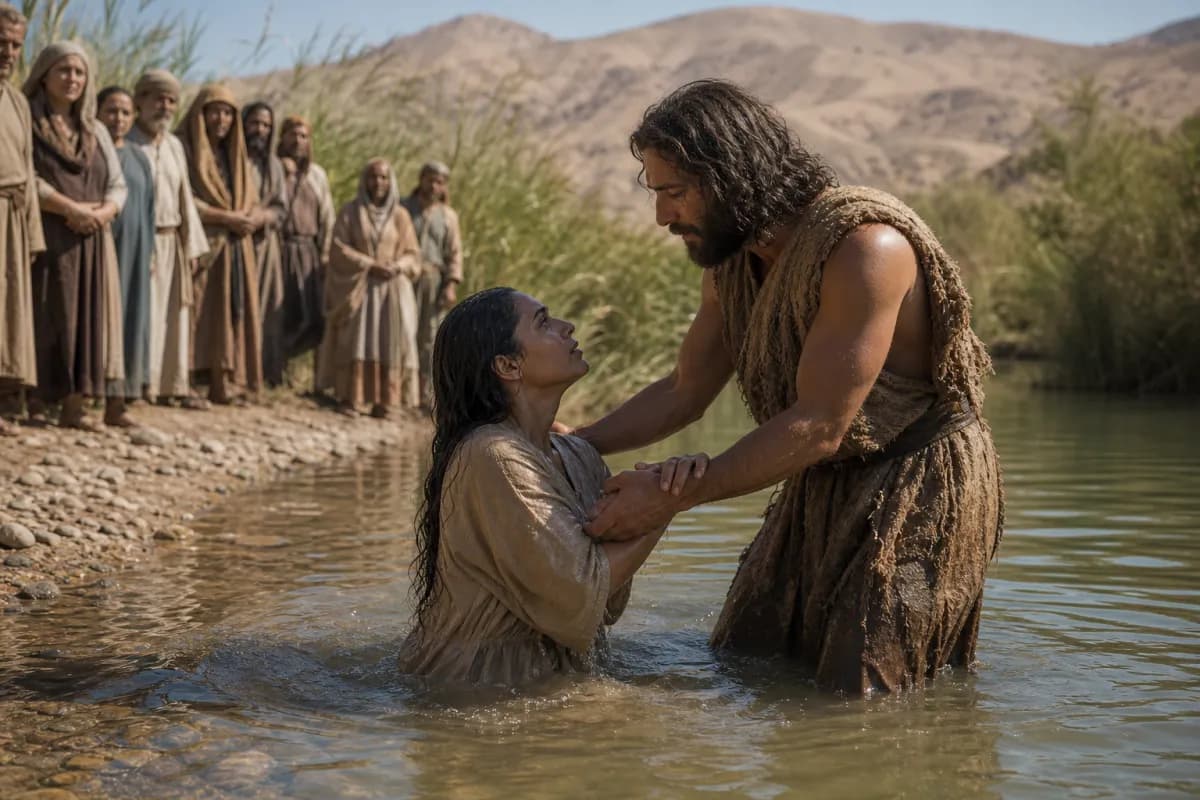
Luke 3–4 prepares Jesus’ public ministry through John’s call to repent, Jesus’ baptism and genealogy, His Spirit-led testing, and His proclamation in Nazareth. Jesus stands as God’s beloved Son, faithful where human beings fail, and the anointed bearer of good news, release, sight, and God’s gracious welcome.

Study this passage →
Luke 5:1–6:49

759 of 876 · Passage study

Jesus Calls Forgiven People into His Kingdom Way

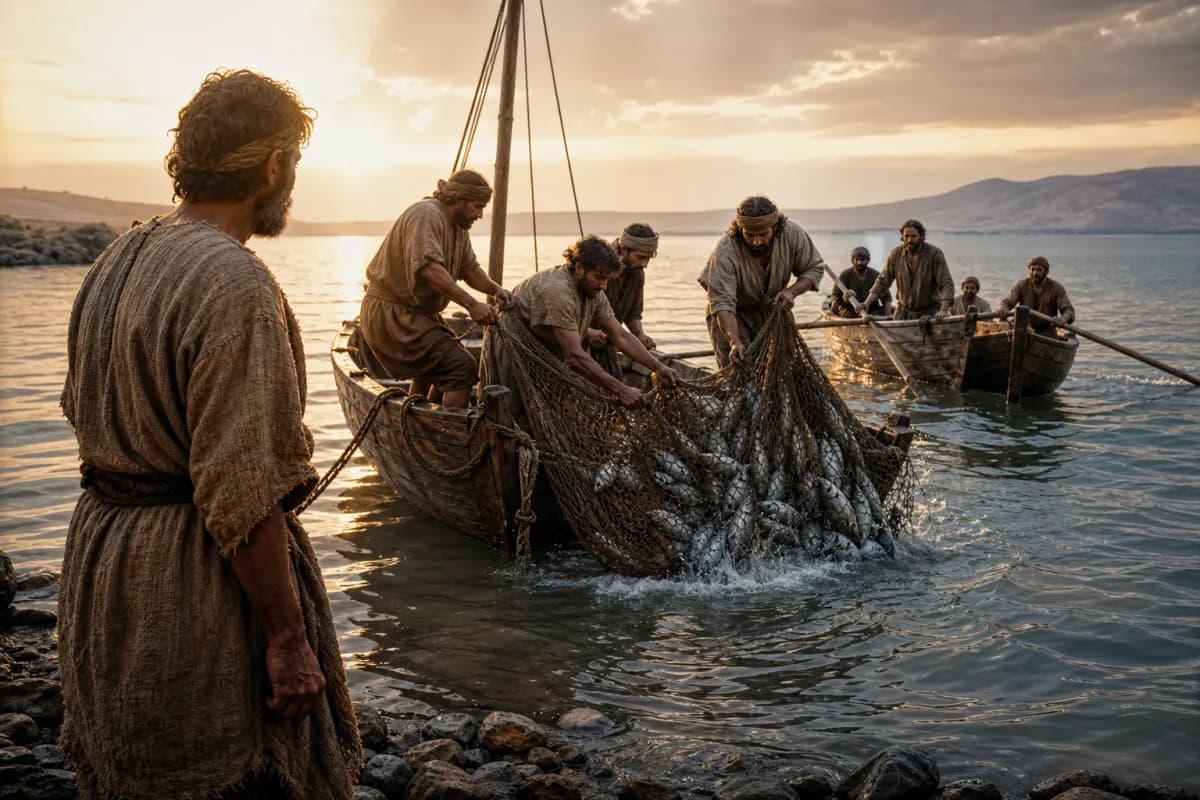
Luke 5–6 shows Jesus gathering disciples around His authoritative mercy. He fills Peter’s nets, cleanses a leper, forgives a paralyzed man, eats with sinners, and teaches the Sabbath’s true purpose. His call culminates in the choice of the Twelve and a sermon that describes a community shaped by grace, enemy-love, mercy, and obedience to His words.

Study this passage →
Luke 7:1–9:50

760 of 876 · Passage study

The Holy Son Reveals His Glory on the Way to Jerusalem

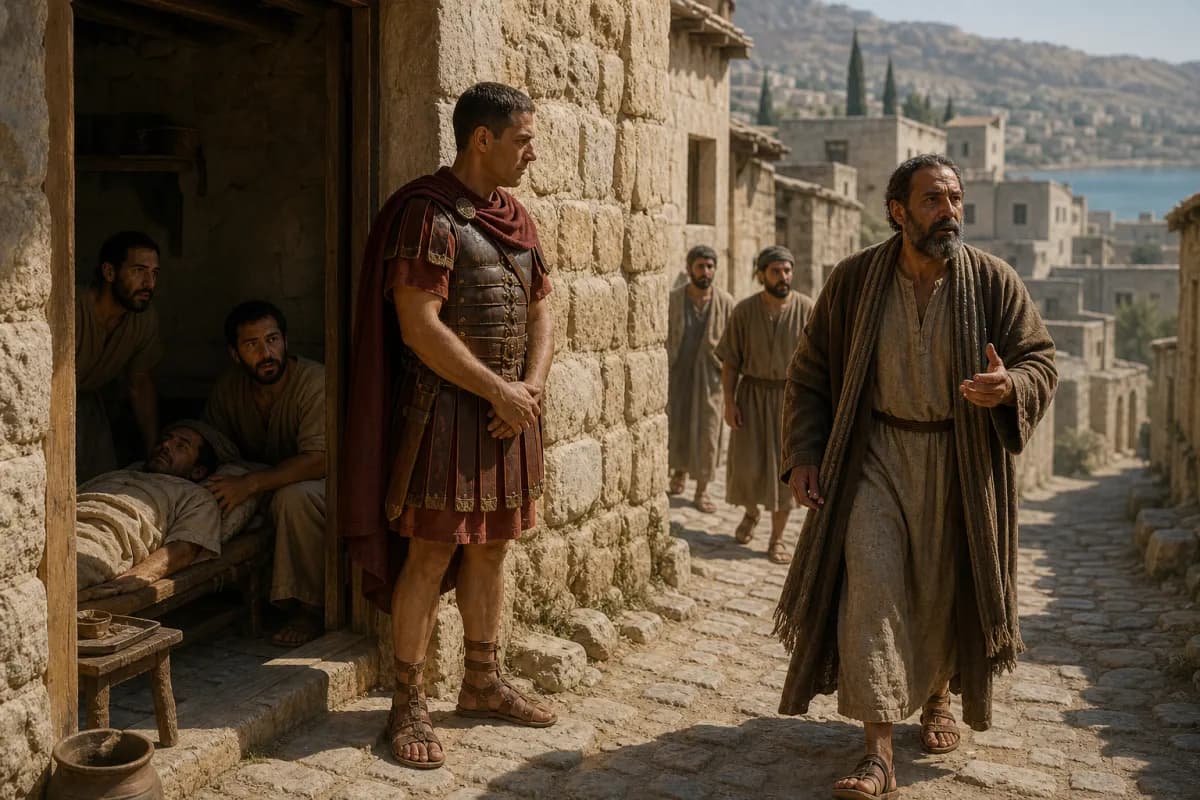
Luke 7:1–9:50 gathers testimony to Jesus’ authority and identity: a centurion trusts His word, a widow’s son lives, John asks from prison, a sinful woman receives forgiveness, Jesus commands wind and demons, Peter confesses Him as God’s Messiah, and the Father identifies Him as the chosen Son at the transfiguration. The glory leads toward His saving departure in Jerusalem, not away from suffering.

Study this passage →
Luke 9:51–11:54

761 of 876 · Passage study

Jesus Sets His Face toward Jerusalem and Forms Merciful Witnesses

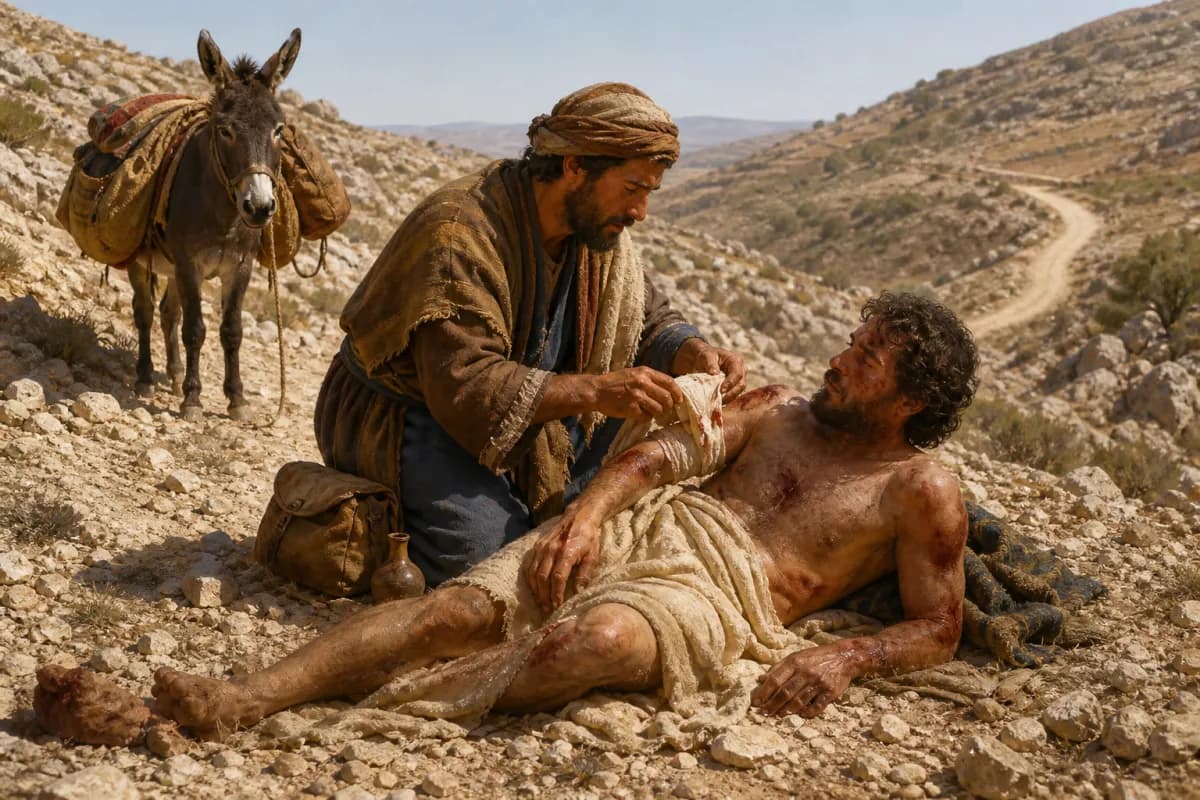
Luke 9:51–11:13 begins Jesus’ deliberate journey toward Jerusalem. He corrects disciples who want judgment on a Samaritan village, sends workers into the harvest, answers a lawyer through the Good Samaritan, commends listening at His feet, and teaches prayer. The road to His saving death forms a people whose mission, mercy, attention, and dependence reflect the King they follow.

Study this passage →
Luke 12:1–14:35

762 of 876 · Passage study

The Disciple’s Treasure under the Master’s Return

Luke 12–14 teaches disciples to live before God rather than before crowds, possessions, or social rank. Jesus exposes hypocrisy, greed, anxiety, and self-exaltation; calls His people to treasure God’s kingdom, remain ready for their Master, and count the cost of following Him; and portrays the kingdom as a banquet where the self-secure may refuse the gracious invitation.

Study this passage →
Luke 15:1–17:10

763 of 876 · Passage study

The Father’s Joy over the Lost Who Return

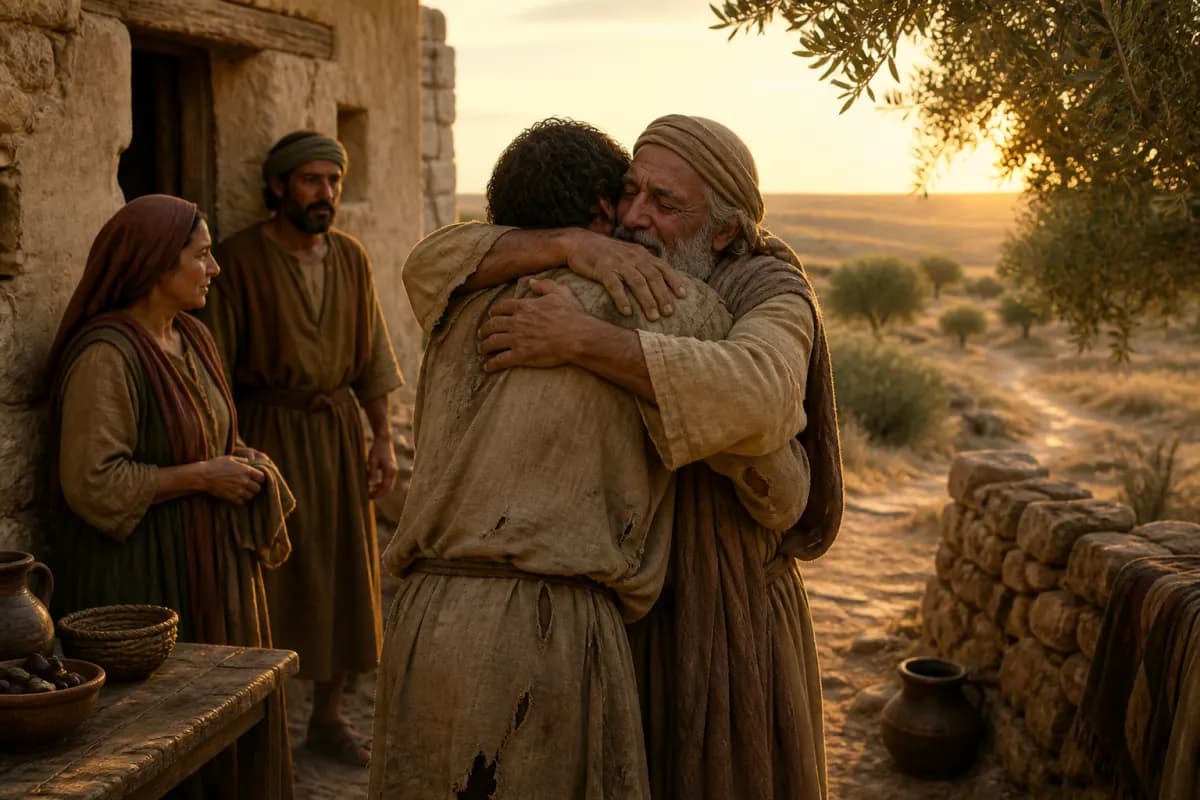
Luke 15–17:10 centers on Jesus’ welcome of sinners and the kingdom faith that receives His mercy. The shepherd, woman, and father rejoice over what was lost; the rich man’s hardened comfort ends in ruin; the disciples are warned about stumbling others and commanded to forgive; and the apostles learn that even mustard-seed faith remains the posture of servants who owe God no claim.

Study this passage →
Luke 17:11–19:27

764 of 876 · Passage study

The King Receives Childlike Faith on the Road to Jerusalem

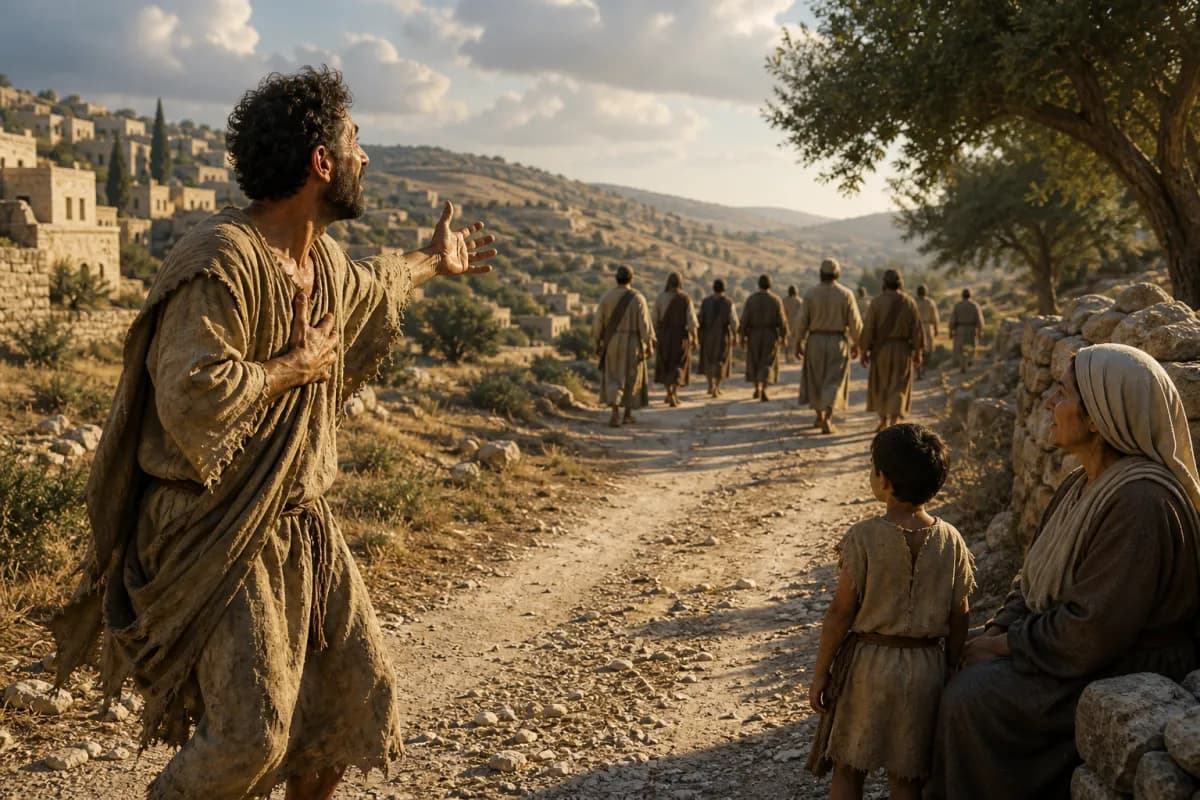
Luke 17:11–19:27 follows Jesus as He approaches Jerusalem, cleansing ten lepers, teaching that the kingdom’s coming is bound to His suffering, welcoming dependent faith, confronting a rich ruler and healing blind Bartimaeus, seeking Zacchaeus, and entrusting a kingdom commission through the parable of the minas. The road reveals that the King saves those who receive Him rather than those who trust status, wealth, or sight.

Study this passage →
Luke 19:28–21:38

765 of 876 · Passage study

The Rejected King Brings God’s Judgment and Hope

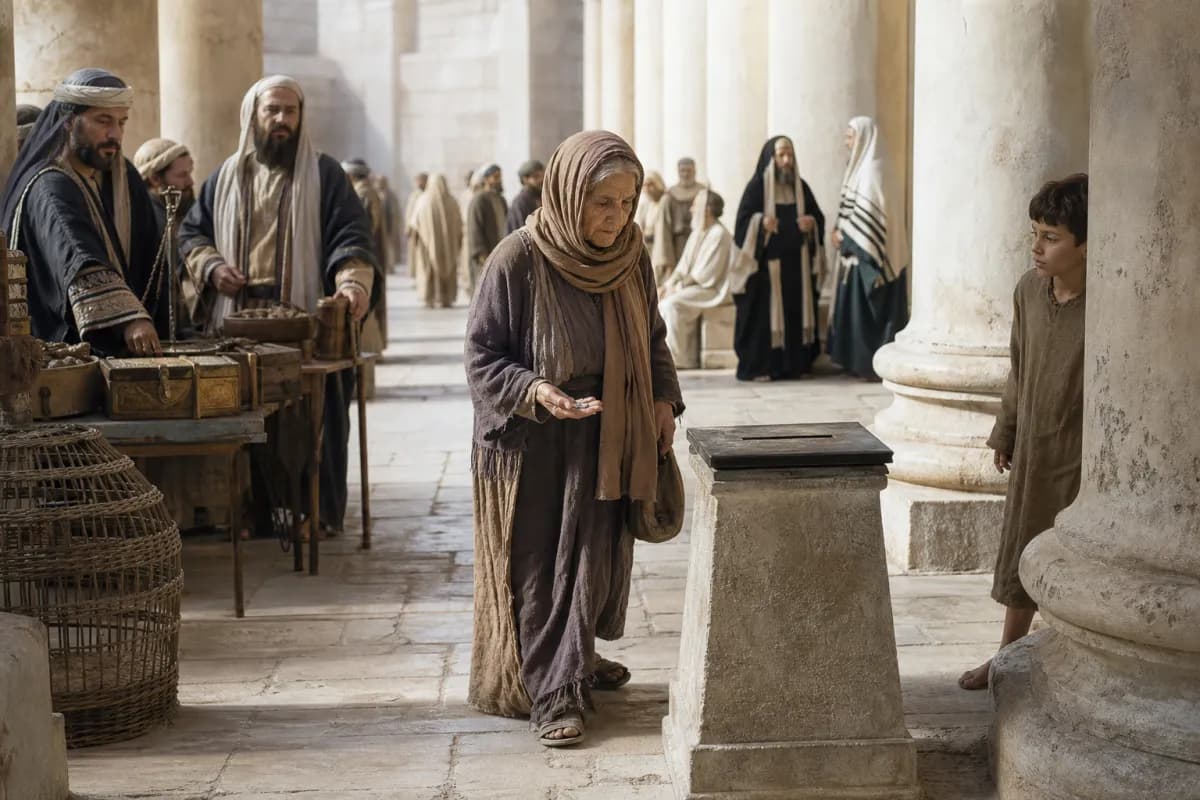
Luke 19:28–21:38 presents Jesus entering Jerusalem as its promised King, weeping over its coming devastation, cleansing the temple, answering challenges to His authority, exposing leaders who reject God’s messengers, commending a widow’s costly gift, and preparing disciples for tribulation and the Son of Man’s vindication. The city’s conflict reveals both the seriousness of refusing God’s visitation and the certainty of Christ’s kingdom hope.

Study this passage →
Luke 22:1–24:53

766 of 876 · Passage study

The Crucified and Risen Lord Sends Forgiveness to the Nations

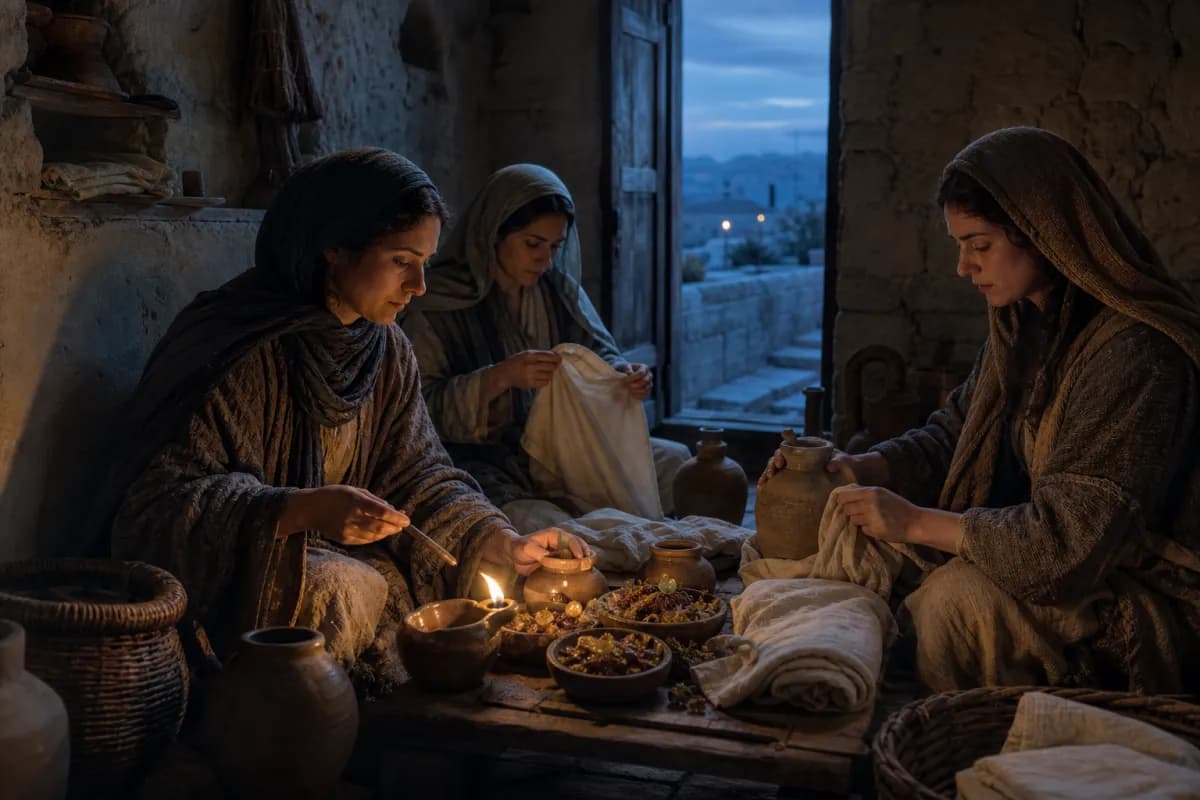
Luke 22–24 brings Jesus’ saving mission to its climax. At Passover He gives bread and cup as His body and covenant blood, prays in anguish, submits to arrest and unjust trial, dies in innocence between criminals, rises as Scripture promised, opens the disciples’ minds, and commissions repentance and forgiveness in His name to all nations. The risen Lord turns fearful witnesses into worshiping people awaiting the Spirit.

Study this passage →
John 1:1–1:51

767 of 876 · Passage study

The Word Made Flesh and the First Disciples

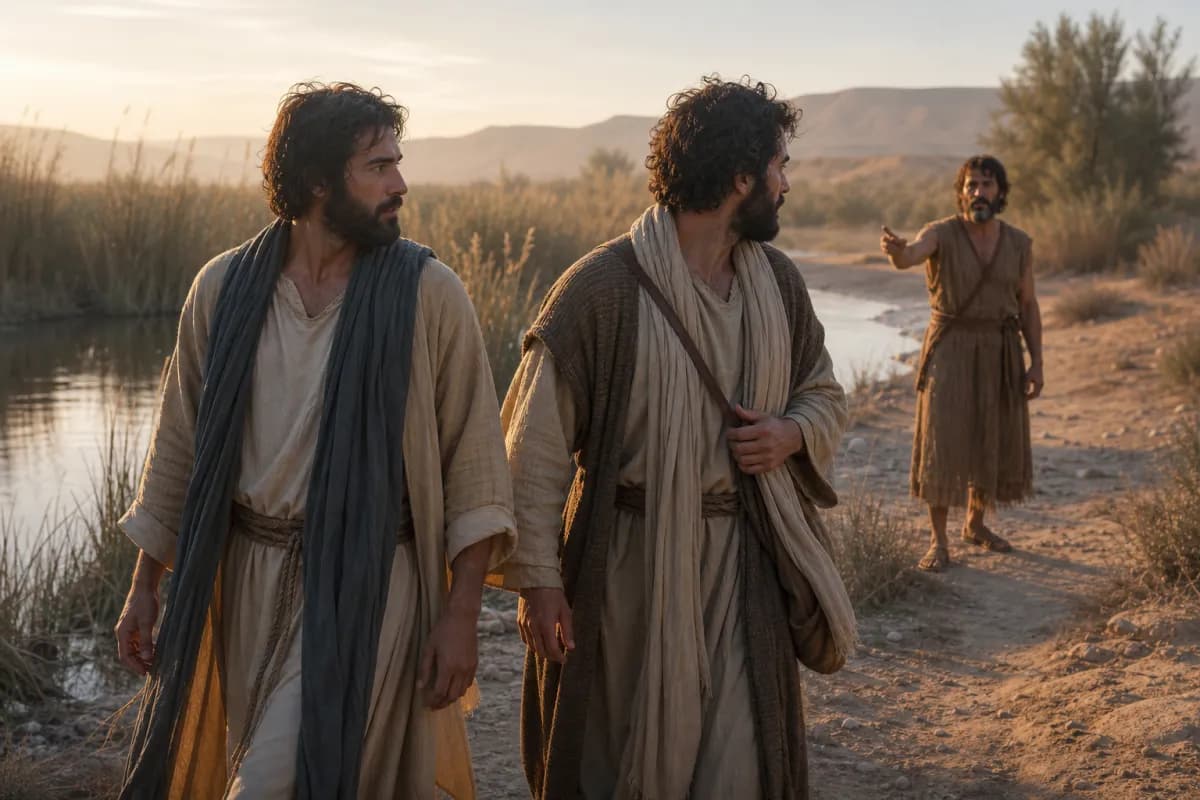
John 1 presents Jesus as the eternal Word who became flesh, reveals the Father, and gives God’s children new life. John the Baptist bears witness to Him as the Lamb of God, and the first disciples begin to follow the One in whom heaven and earth meet.

Study this passage →
John 2:1–2:11

768 of 876 · Passage study

The Wedding at Cana: Jesus Reveals His Glory

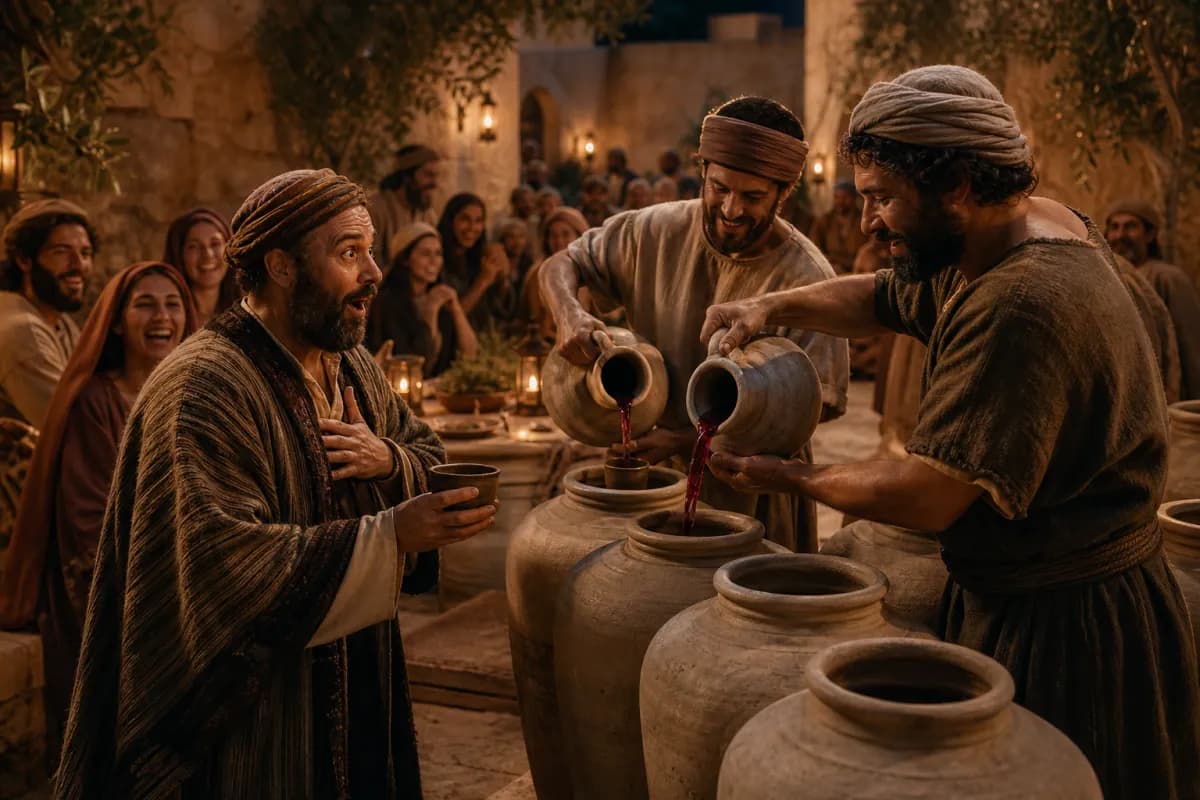
At Cana, Jesus turns water held in jars for purification into abundant, excellent wine. His first sign reveals His glory and leads His disciples to believe, showing that in Him God brings the deep cleansing and promised joy His people cannot supply for themselves.

Study this passage →
Keep scrolling for the next passage.