Truth-Scrolling

John 2:12–2:25

769 of 876 · Passage study

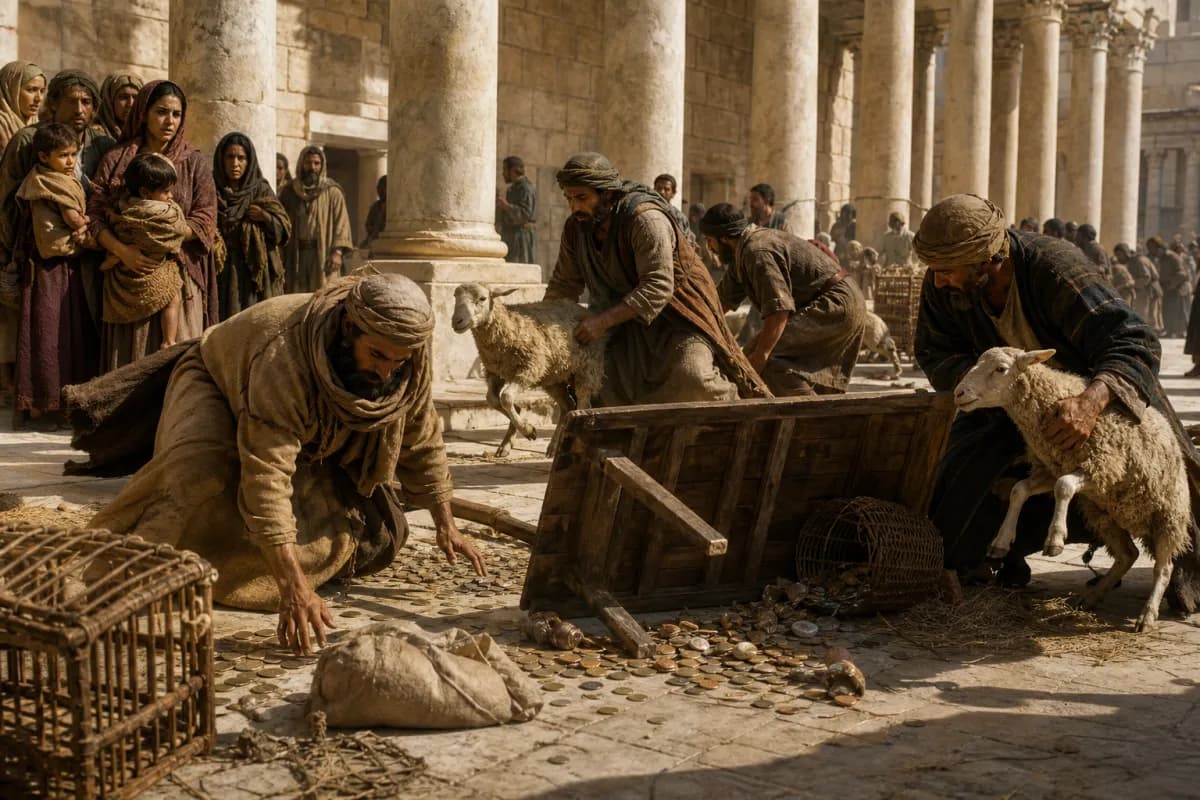
Jesus, the True Temple

Jesus confronts commerce that has overtaken His Father’s house, then identifies His own body as the temple that will be raised after three days. John presents His death and resurrection as the decisive place where God meets sinful people and gives them access to Himself.
Study this passage →
John 3:1–4:54

770 of 876 · Passage study

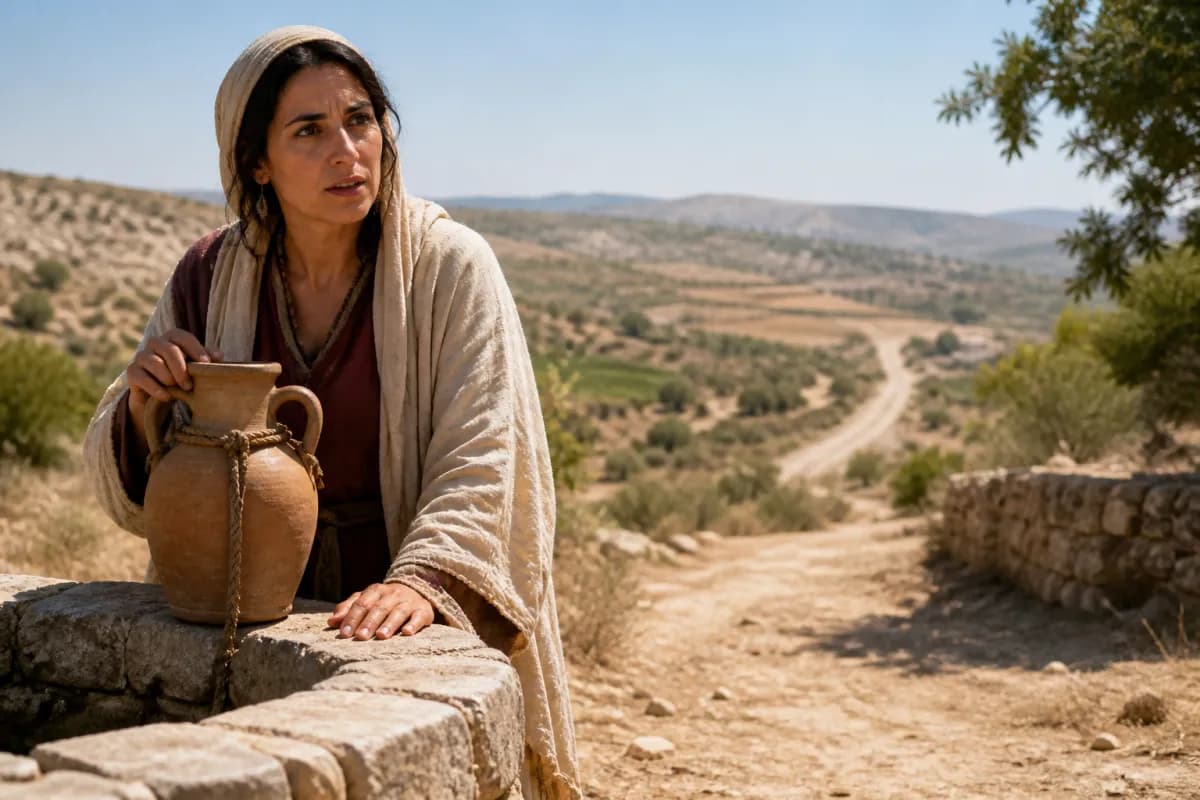
The Son Gives New Birth and Living Water

John 3–4 brings Jesus into searching conversations with Nicodemus and a Samaritan woman. He teaches that no one enters God’s kingdom without birth from above by the Spirit, announces God’s love in giving the Son, offers living water that becomes eternal life, exposes false worship, and heals an official’s son by His word. Life comes through believing the Son, not through status, ancestry, location, or sight.

Study this passage →
John 5:1–6:71

771 of 876 · Passage study

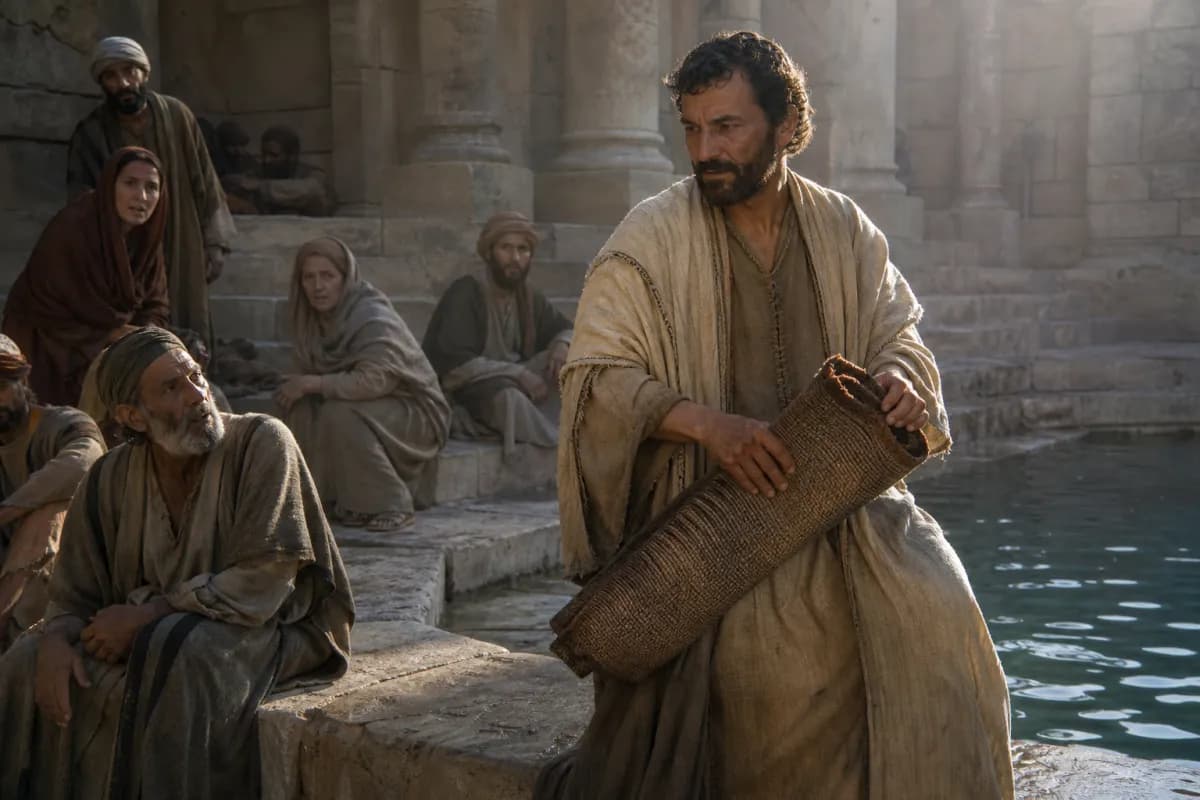
The Son Gives Life and Is the Bread from Heaven

John 5–6 presents Jesus as the Son who gives life, exercises the Father’s judgment, and feeds a hungry crowd as the true bread from heaven. He heals a man at Bethesda on the Sabbath, answers hostility by naming His unity with the Father, feeds five thousand, walks on the sea, and calls people beyond perishable food to believe in Him. His flesh and blood language points to the saving gift of His life.

Study this passage →
John 7:1–8:59

772 of 876 · Passage study

Living Water and Light in a Divided Feast

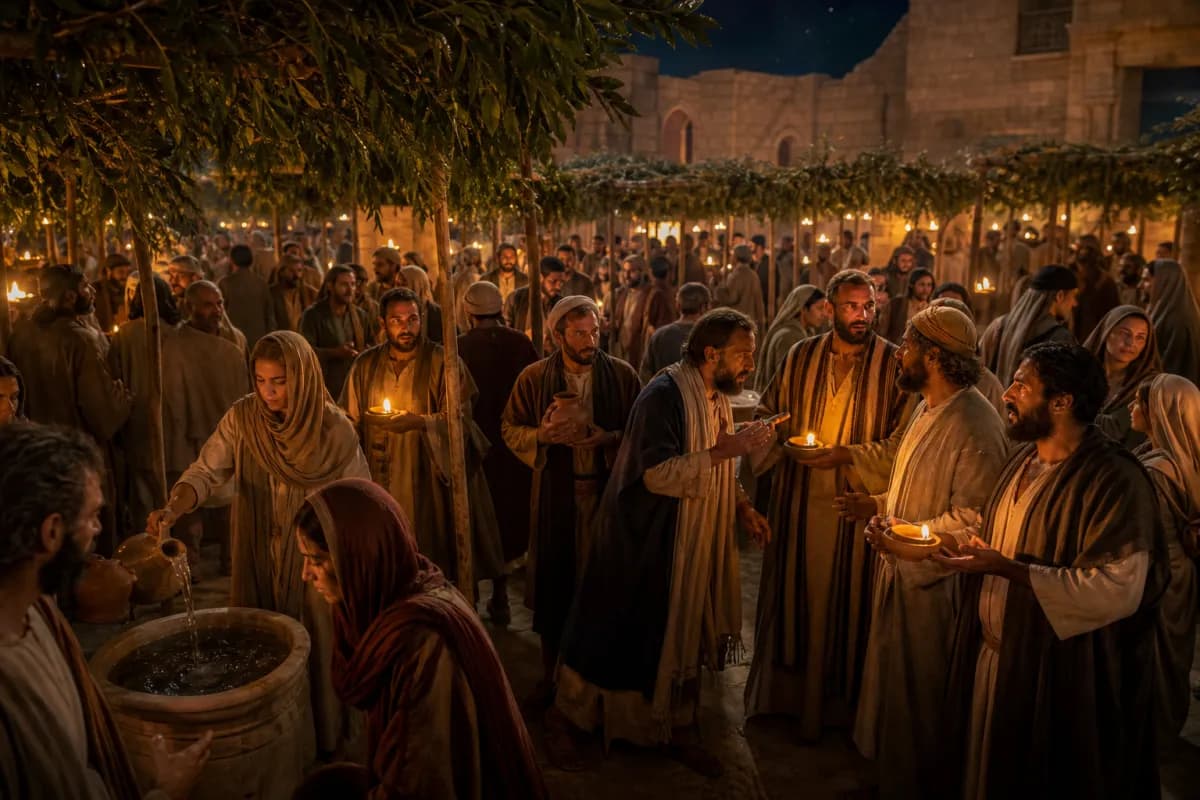
John 7–8 places Jesus at the Feast of Booths, where public argument about His origin and authority grows sharper. He invites the thirsty to come to Him for living water, declares Himself the light of the world, heals no one to win the debate, and exposes the difference between seeking God’s glory and defending human status. His final “I am” claim makes the conflict with His opponents decisive.

Study this passage →
John 9:1–10:42

773 of 876 · Passage study

The Shepherd Gives Sight and Lays Down His Life

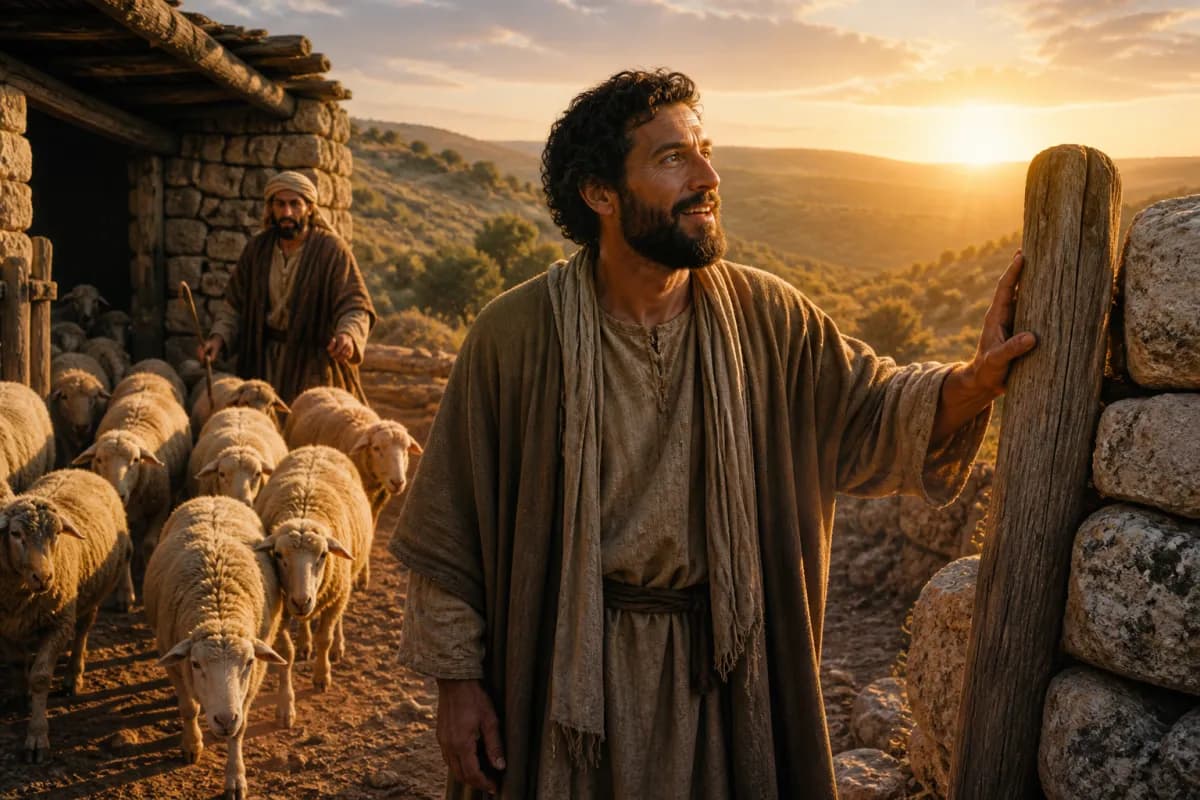
John 9–10 joins the healing of a man blind from birth to Jesus’ revelation as the good shepherd. The healed man gains physical sight and increasingly confesses Jesus, while religious investigators who claim to see reject the sign. Jesus then contrasts the thief with the shepherd who knows His sheep, gives them abundant life, lays down His life for them, takes it up again, and gathers other sheep into one flock.

Study this passage →
John 11:1–12:50

774 of 876 · Passage study

The Resurrection and the Life Whose Hour Has Come

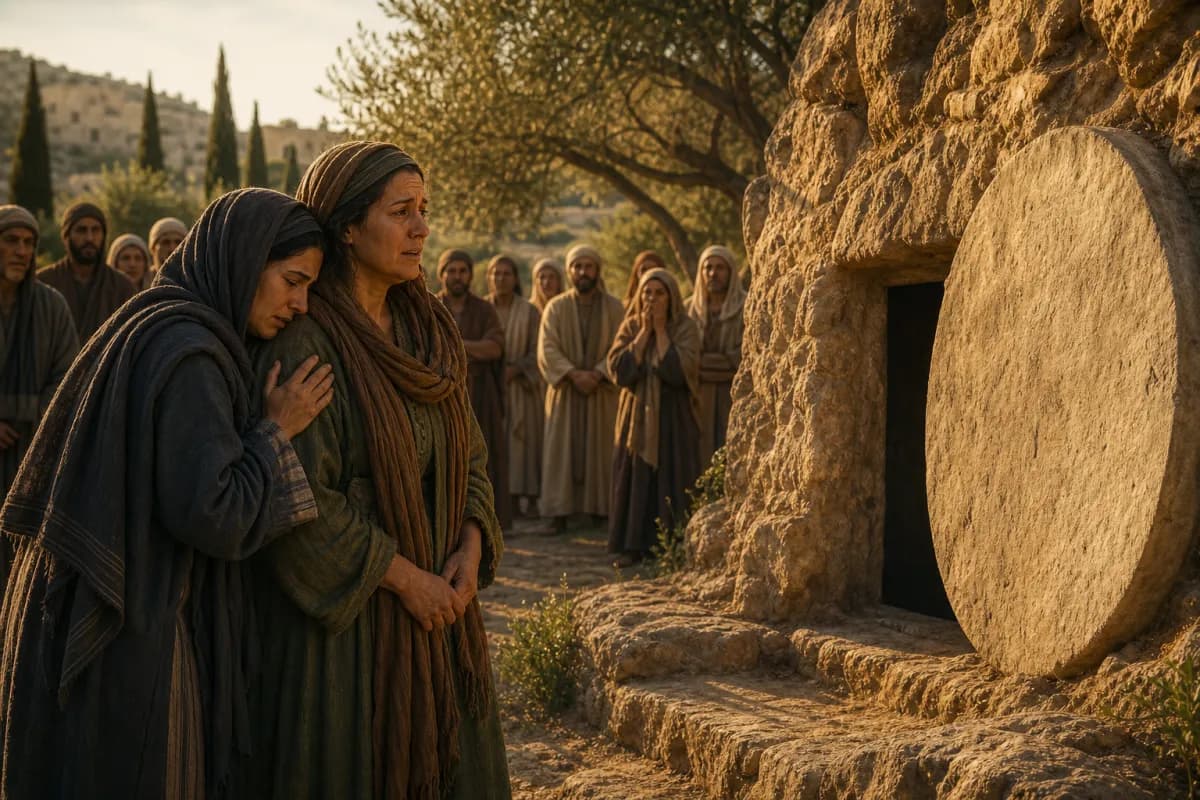
John 11–12 brings Jesus to Lazarus’s tomb, where He weeps, calls His friend out of death, and identifies Himself as the resurrection and the life. The sign intensifies the leaders’ plan to kill Him, while Mary anoints Him for burial, crowds hail Him as king, Greeks seek Him, and Jesus explains that His approaching death is the hour in which His glory will be seen and many will receive life.

Study this passage →
John 13:1–14:31

775 of 876 · Passage study

The Servant King Who Brings His People Home

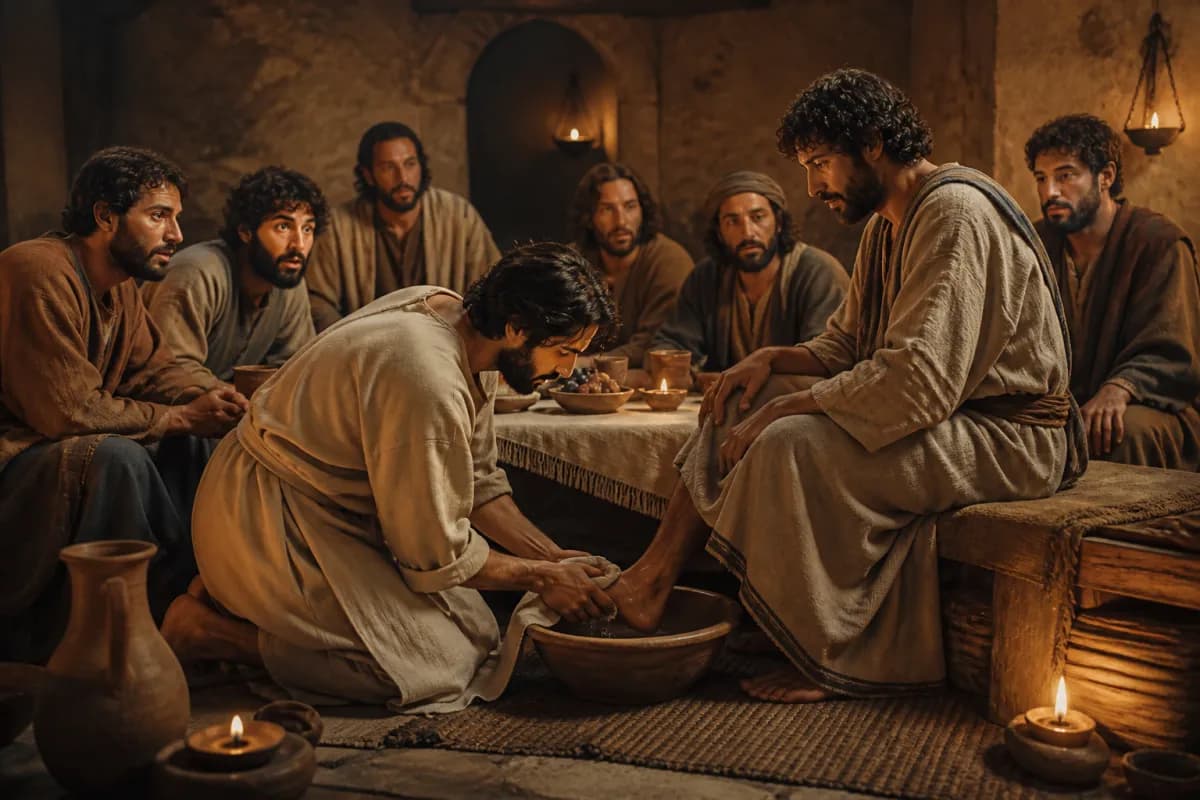
John 13–14 begins Jesus’ final evening with His disciples. Knowing that His hour has come, He washes their feet, exposes Judas’s betrayal, gives the command to love one another, and prepares His troubled followers for His departure. Jesus promises a place in the Father’s house, identifies Himself as the way, truth, and life, reveals the Father, and pledges the Spirit who will dwell with them and teach them.

Study this passage →
John 15:1–17:26

776 of 876 · Passage study

The True Vine Who Keeps His People in the Father’s Love

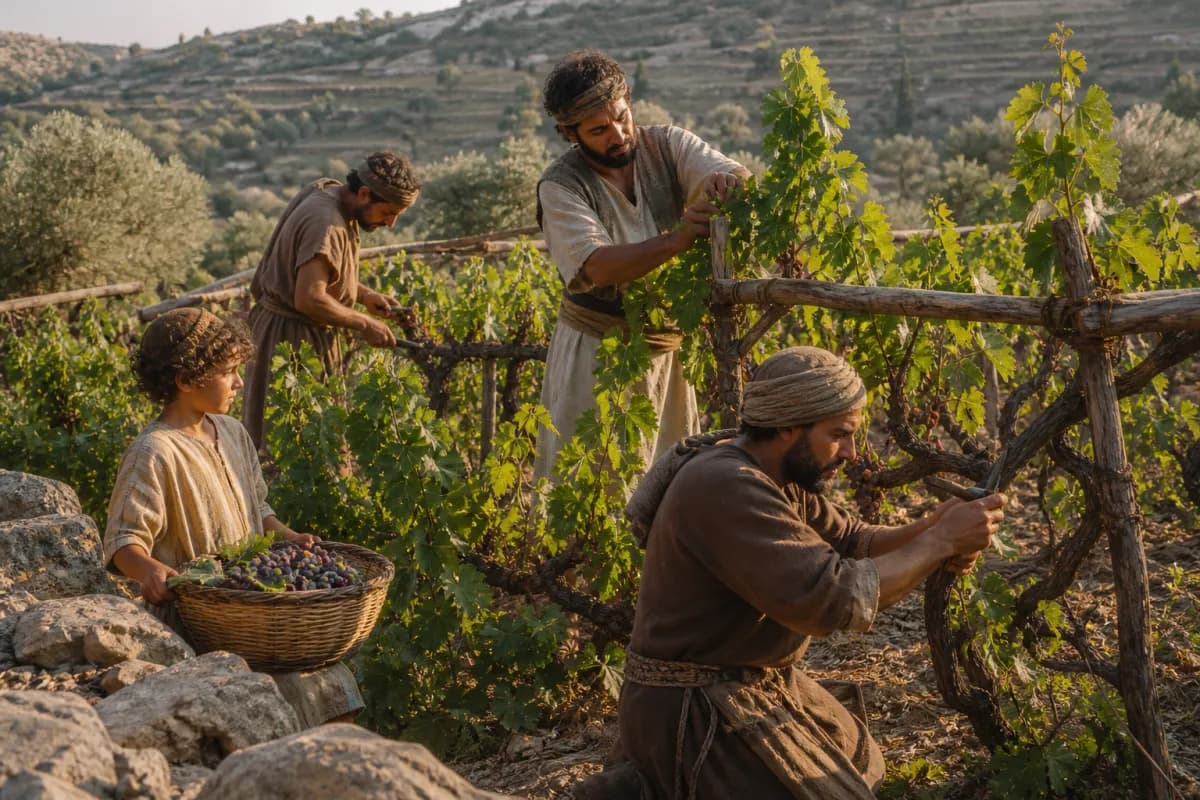
John 15–17 records Jesus’ final teaching and prayer. He calls Himself the true vine and His disciples the branches who bear fruit only by abiding in Him. He prepares them for a hostile world, promises the Spirit’s witness and guidance, turns their sorrow toward resurrection joy, and prays that the Father will keep, sanctify, unify, and finally bring His people into the glory He shares with the Father.

Study this passage →
John 18:1–19:42

777 of 876 · Passage study

The King Whose Cross Reveals His Glory

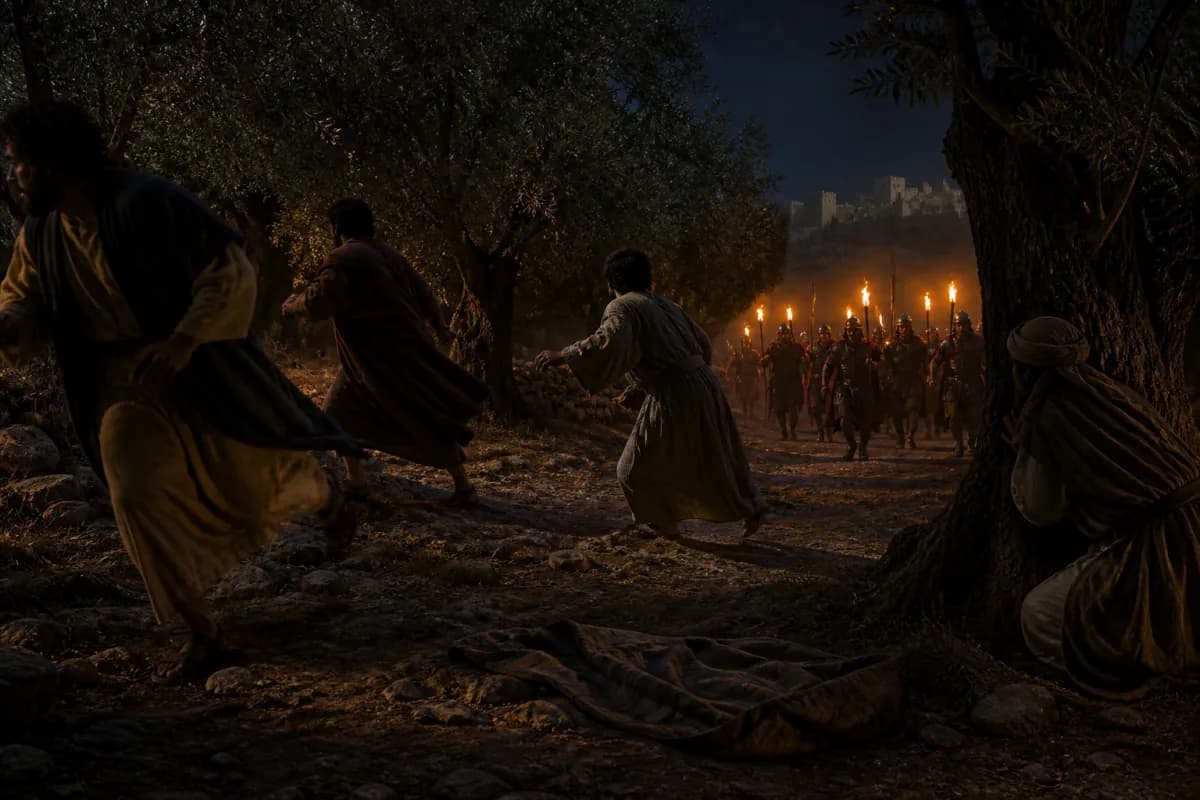
John 18–19 follows Jesus from the garden through arrest, Jewish and Roman hearings, crucifixion, death, and burial. He is not swept along as a helpless victim: He identifies Himself before the arresting party, tells Pilate that His kingdom is not from this world, carries the cross, and declares His work finished. The irony of titles, robes, and inscriptions reveals that the condemned Jesus is the true King who gives Himself for His people.

Study this passage →
John 20:1–21:25

778 of 876 · Passage study

The Risen Lord Who Sends and Restores His Disciples

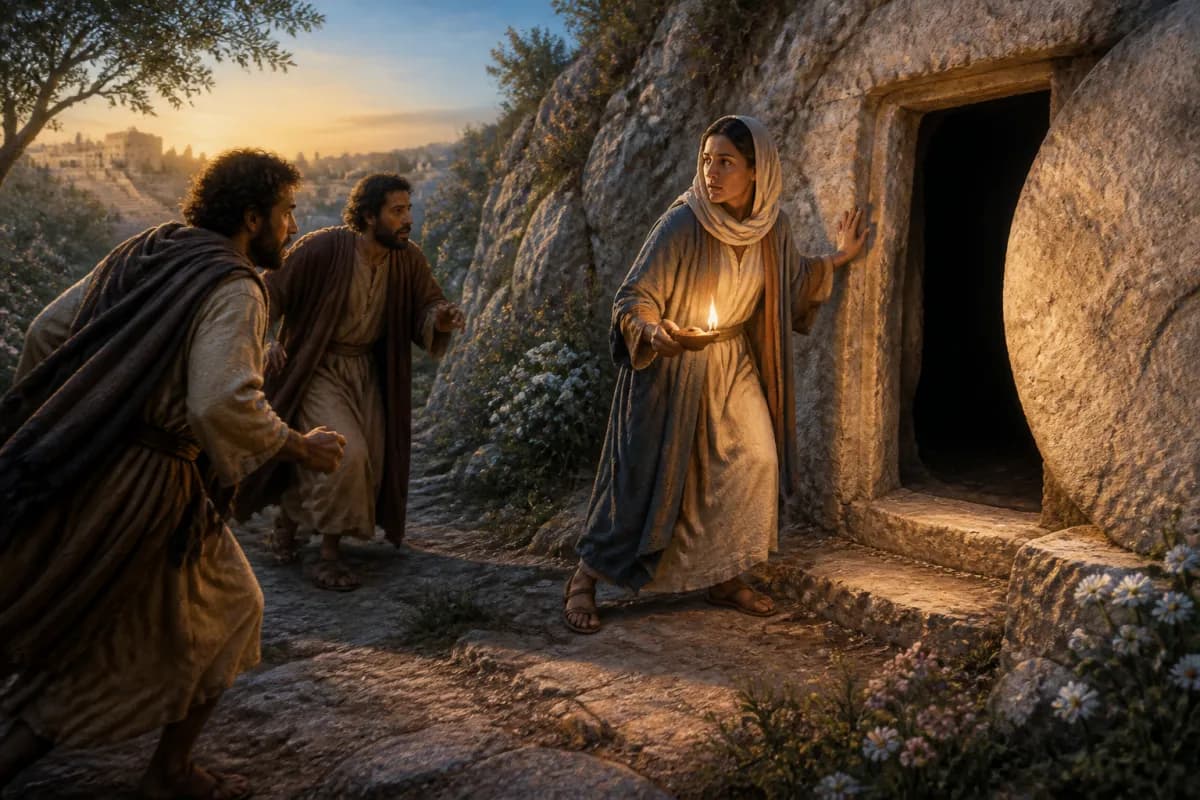
John 20–21 announces that Jesus has risen bodily from the tomb and meets Mary Magdalene, the gathered disciples, Thomas, and seven disciples by the sea. He gives peace, sends them as the Father sent Him, grants the Spirit, calls Thomas from doubt to worship, and restores Peter after his denial by entrusting him with the care of His sheep. The Gospel closes by naming its purpose: these signs are written so readers may believe Jesus is the Messiah, God’s Son, and have life in His name.

Study this passage →
Acts 1:1–2:47

779 of 876 · Passage study

The Ascended Jesus Pours Out the Spirit for His Witnesses

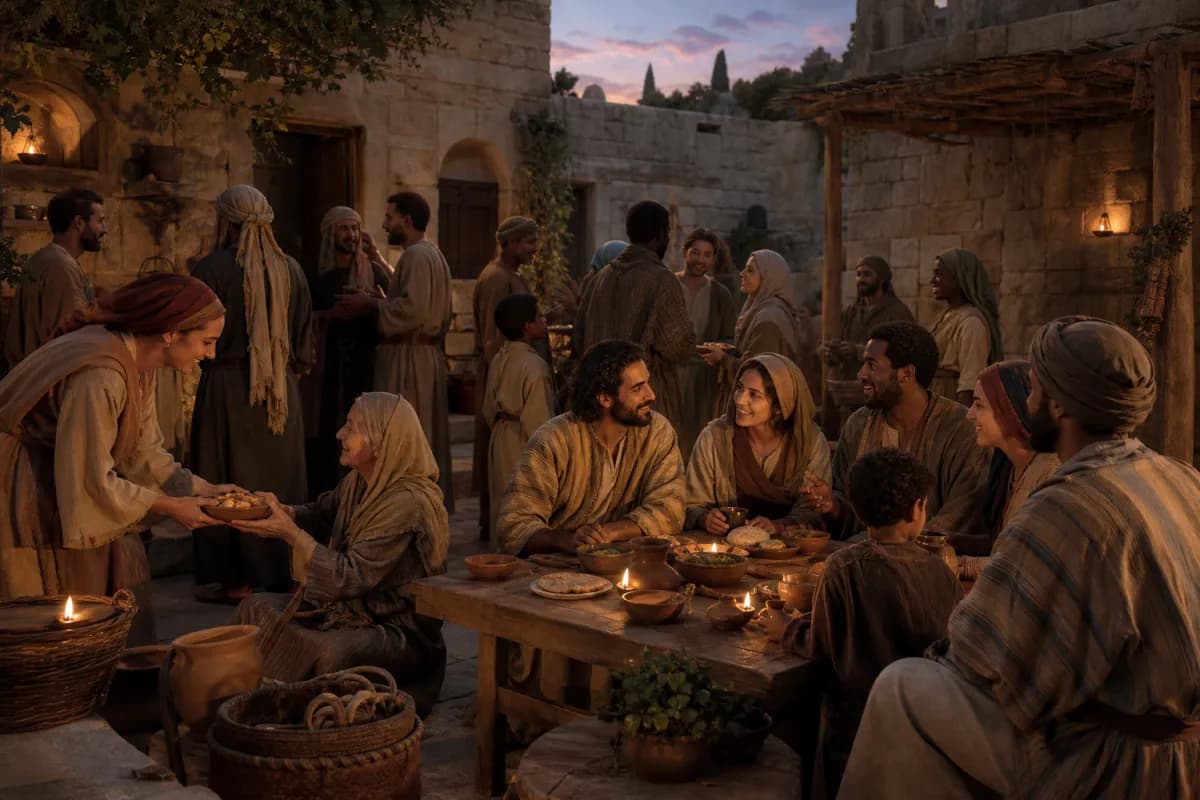
Acts 1:1–2:47 begins after Jesus’ resurrection with His ascension, His promise of the Spirit, and His commission to witness from Jerusalem to the ends of the earth. At Pentecost the Spirit enables the gathered disciples to proclaim God’s mighty acts, Peter announces the crucified and risen Jesus as Lord and Messiah, and a baptized community forms around teaching, prayer, shared possessions, and table fellowship.

Study this passage →
Acts 3:1–5:42

780 of 876 · Passage study

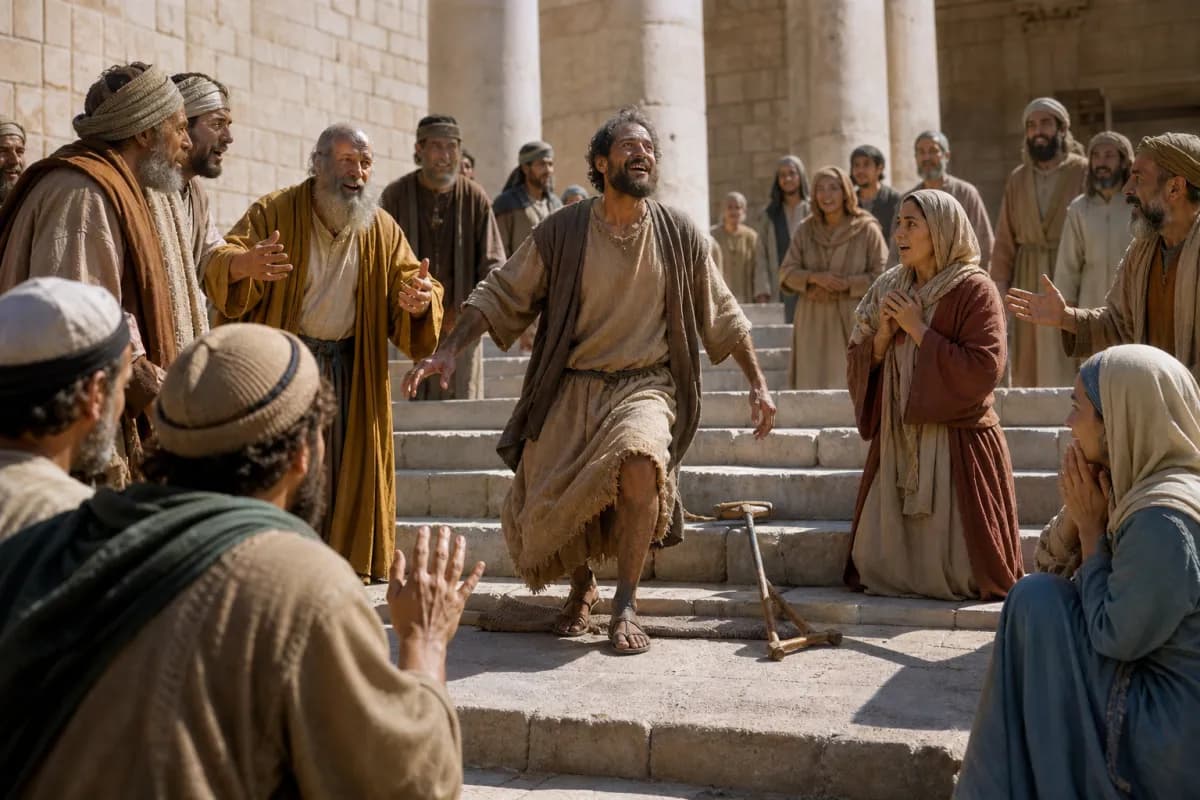
The Name That Raises the Lame and Confronts Jerusalem

Acts 3:1–5:42 shows the risen Jesus continuing His work through Peter and John. A man lame from birth walks at the temple gate in Jesus’ name; Peter calls the crowd to repent; the apostles testify before the council; Ananias and Sapphira expose the danger of false devotion; and the church continues to pray, share, heal, and proclaim despite arrests and threats.

Study this passage →
Keep scrolling for the next passage.