Truth-Scrolling

Zechariah 9:1–11:17

733 of 876 · Passage study

The Humble King and the Shepherd Israel Rejected

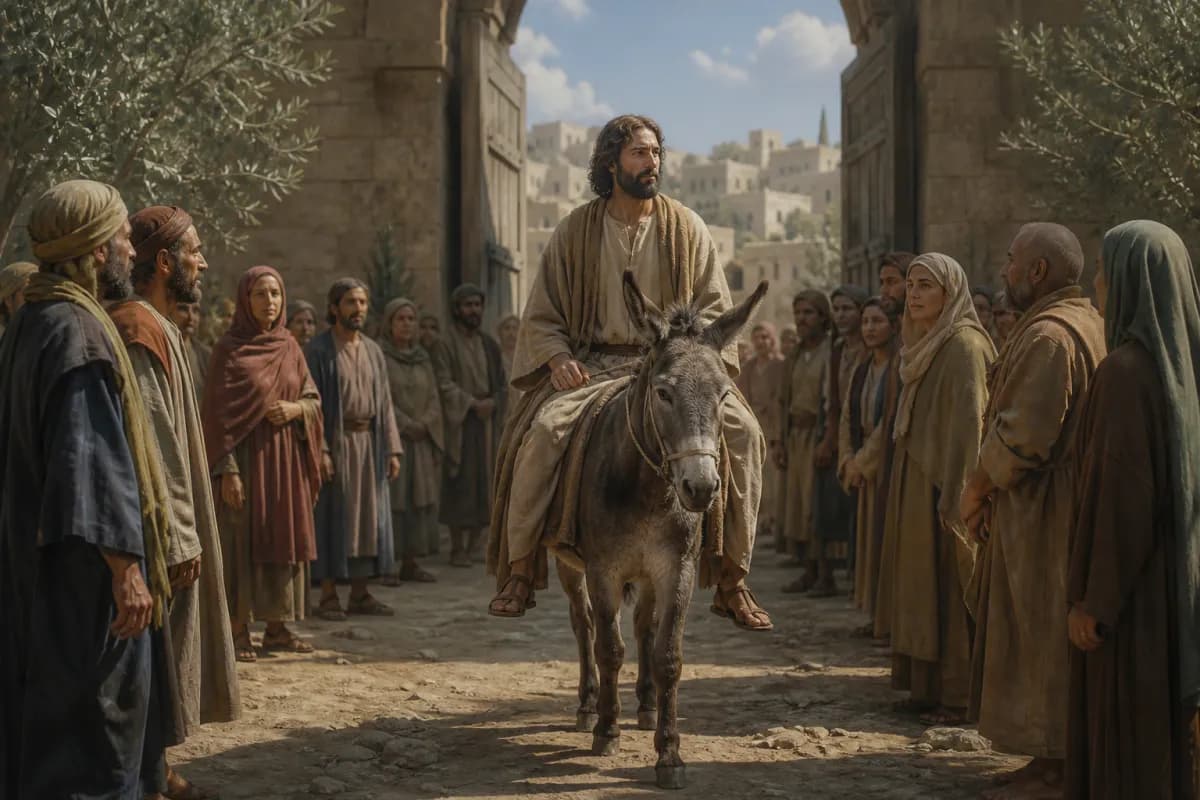
Zechariah 9–11 promises that Zion’s king will come humble and victorious, riding on a donkey and speaking peace to the nations. The same oracle then exposes a people who reject God’s shepherding care, value the faithful shepherd at thirty pieces of silver, and face ruin under foolish leadership. Jesus enters Jerusalem as this humble King and gives His life for sheep who have resisted their true Shepherd.
Study this passage →
Zechariah 12:1–13:6

734 of 876 · Passage study

Looking on the Pierced One and Entering the Cleansing Fountain

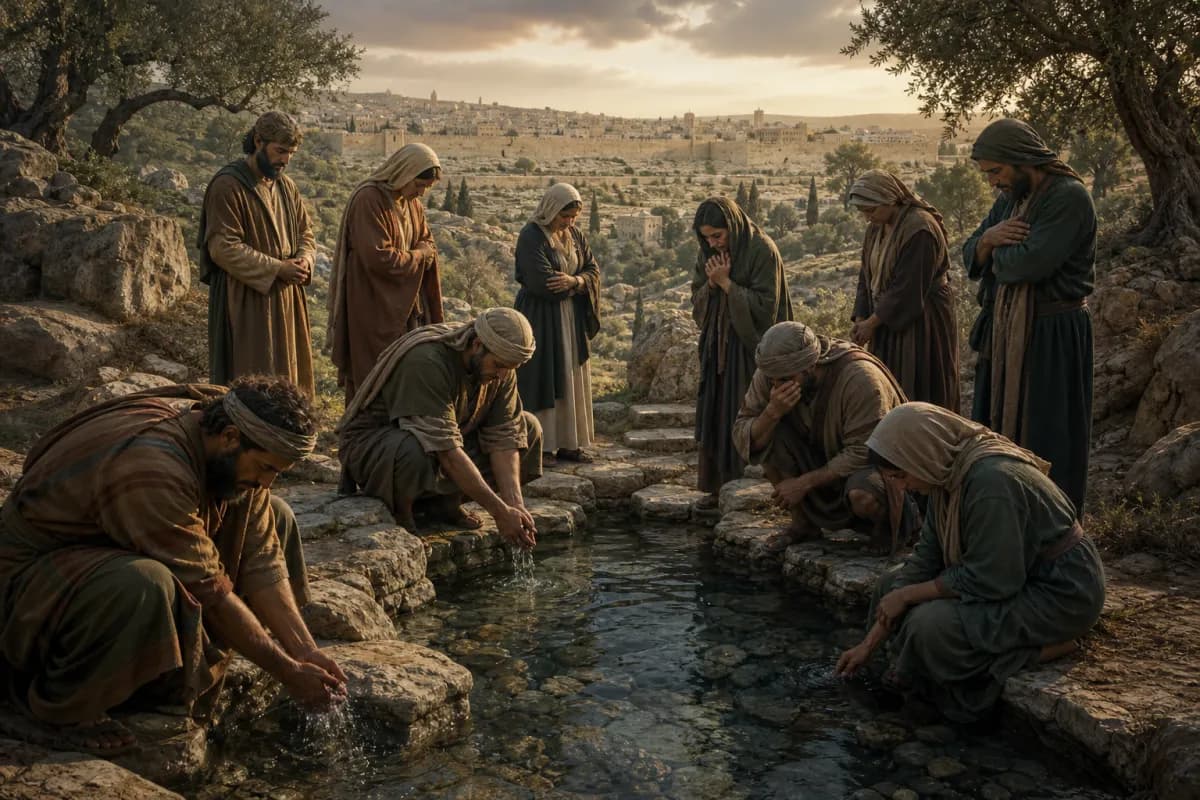
Zechariah 12:1–13:6 promises that the Lord will defend Jerusalem, pour out a spirit of grace and supplication, and turn the people’s gaze toward the one they pierced. Their grief is not empty regret: it becomes deep, personal mourning, and a fountain opens for sin and impurity. God also removes idols and silences false prophecy. Jesus’ crucifixion opens the decisive path of cleansing and creates a people who repent, trust Him, and reject every rival voice.

Study this passage →
Zechariah 13:7–14:21

735 of 876 · Passage study

The Struck Shepherd and the Lord’s Holy Reign

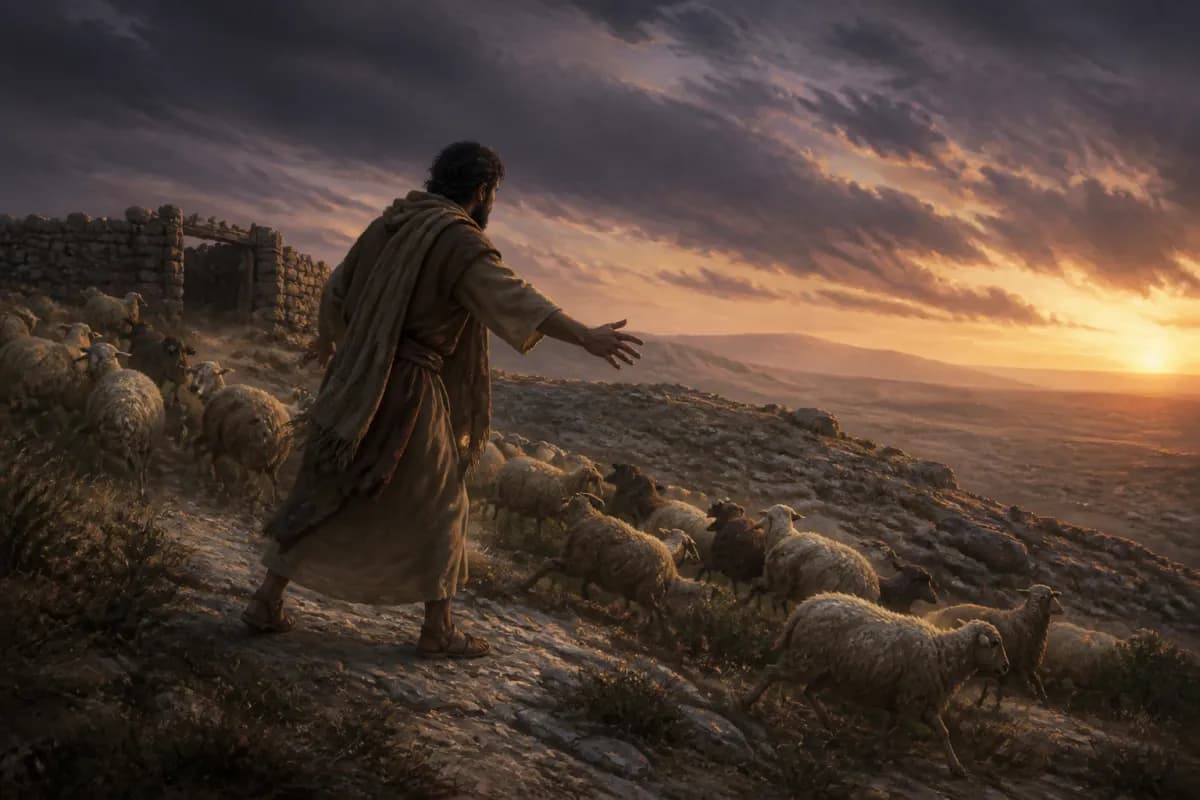
Zechariah 13:7–14:21 begins with the Lord’s command to strike His shepherd, scattering the sheep but refining a surviving remnant who call on His name. It then turns to the day of the Lord: Jerusalem is attacked, the Lord fights for His people, living waters flow from the city, and the Lord becomes King over all the earth. Jesus applies the struck-shepherd word to His arrest, and His resurrection anchors the hope that His holy reign will finally fill every part of life.

Study this passage →
Malachi 1:1–1:14

736 of 876 · Passage study

Loved by the Lord, Called to Honor His Name

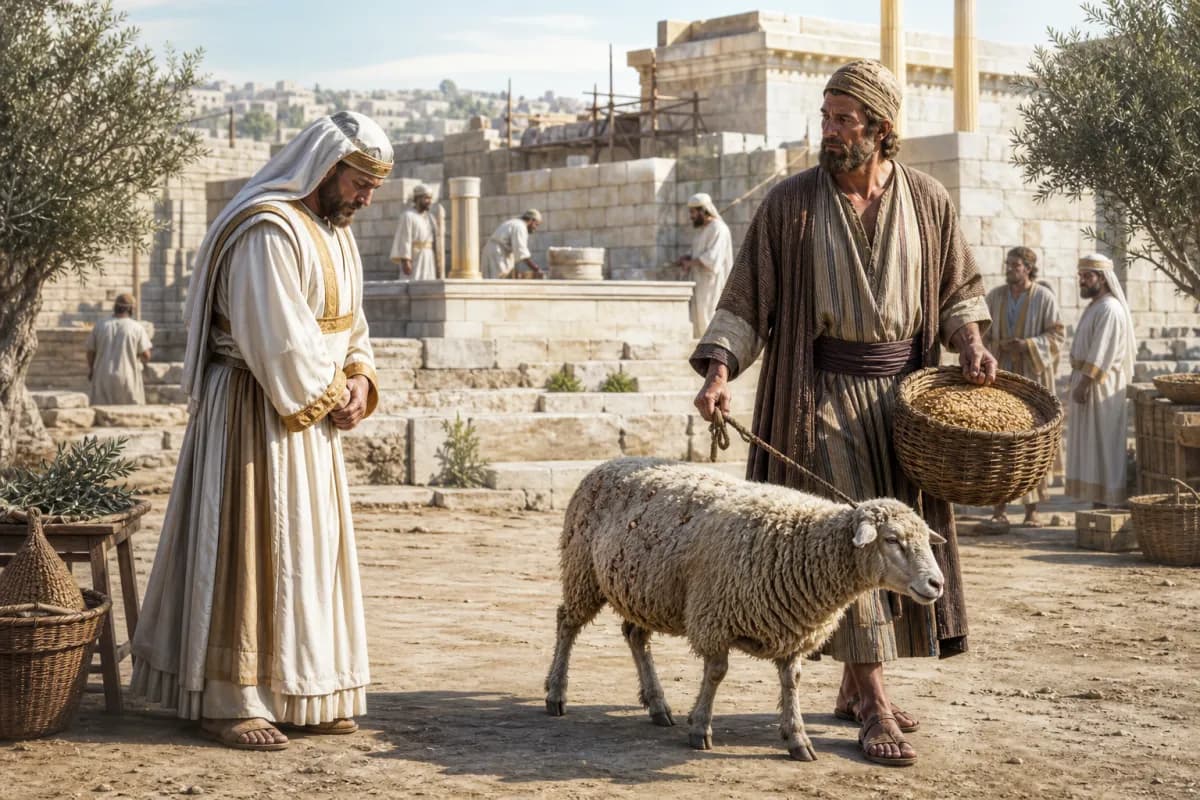
Malachi 1:1–2:9 begins with the Lord’s electing love for Jacob and confronts priests who answer that love with blemished offerings and casual worship. Their question, “How have you loved us?” is answered through God’s covenant choice; their question, “How have we despised your name?” is answered by their altar. The Lord promises judgment on faithless priests and calls for instruction that reflects His holiness, a need answered by Christ our faithful high priest.

Study this passage →
Malachi 2:1–2:17

737 of 876 · Passage study

The God Who Witnesses Covenant Faithfulness

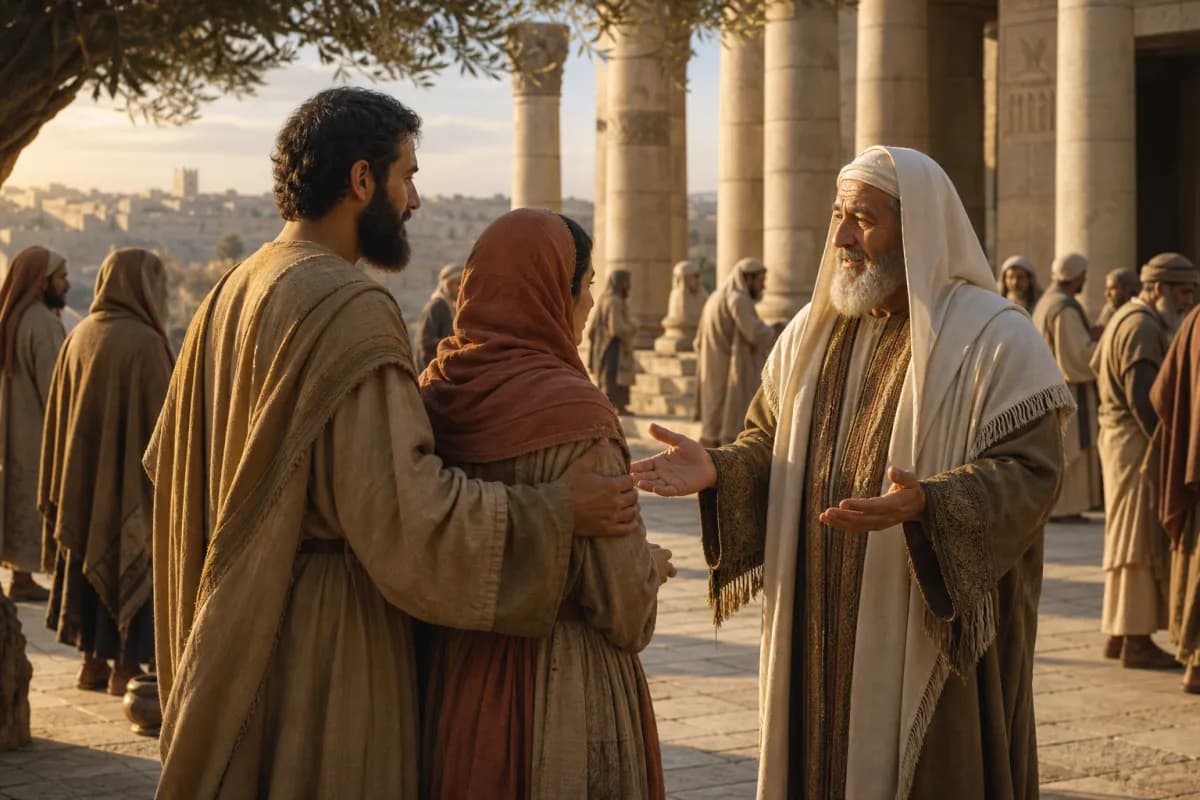
Malachi 2:10–3:5 confronts Judah’s covenant betrayal in worship, marriage, and justice. Men weep at the altar while dealing treacherously with the wives of their youth; others accuse God of favoring evildoers. The Lord answers by promising His sudden coming to purify and judge. Jesus fulfills the messenger promise through John’s preparation and brings cleansing for people whose divided loyalties have corrupted their worship and relationships.

Study this passage →
Malachi 3:1–3:18

738 of 876 · Passage study

Return to the Unchanging Lord

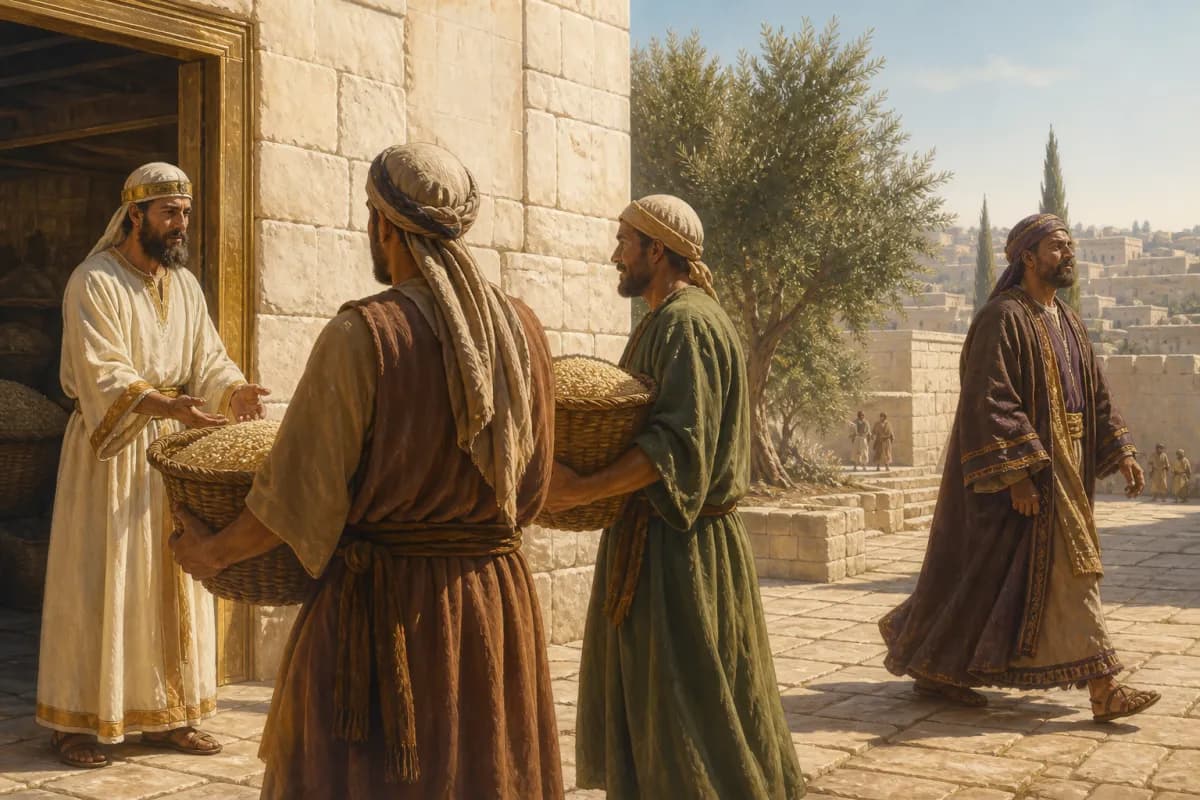
Malachi 3:6–18 calls a covenant people back to the Lord who does not change. Their withholding of tithes, cynical words, and envy of the arrogant reveal a heart that measures God by immediate gain. Yet the Lord invites them to return, promises to remember those who fear His name, and distinguishes them as His treasured possession. In Jesus, God’s steadfast mercy receives repentant sinners and forms a people who serve Him in hope.

Study this passage →
Malachi 4:1–4:6

739 of 876 · Passage study

The Rising Sun and the Day That Reveals All

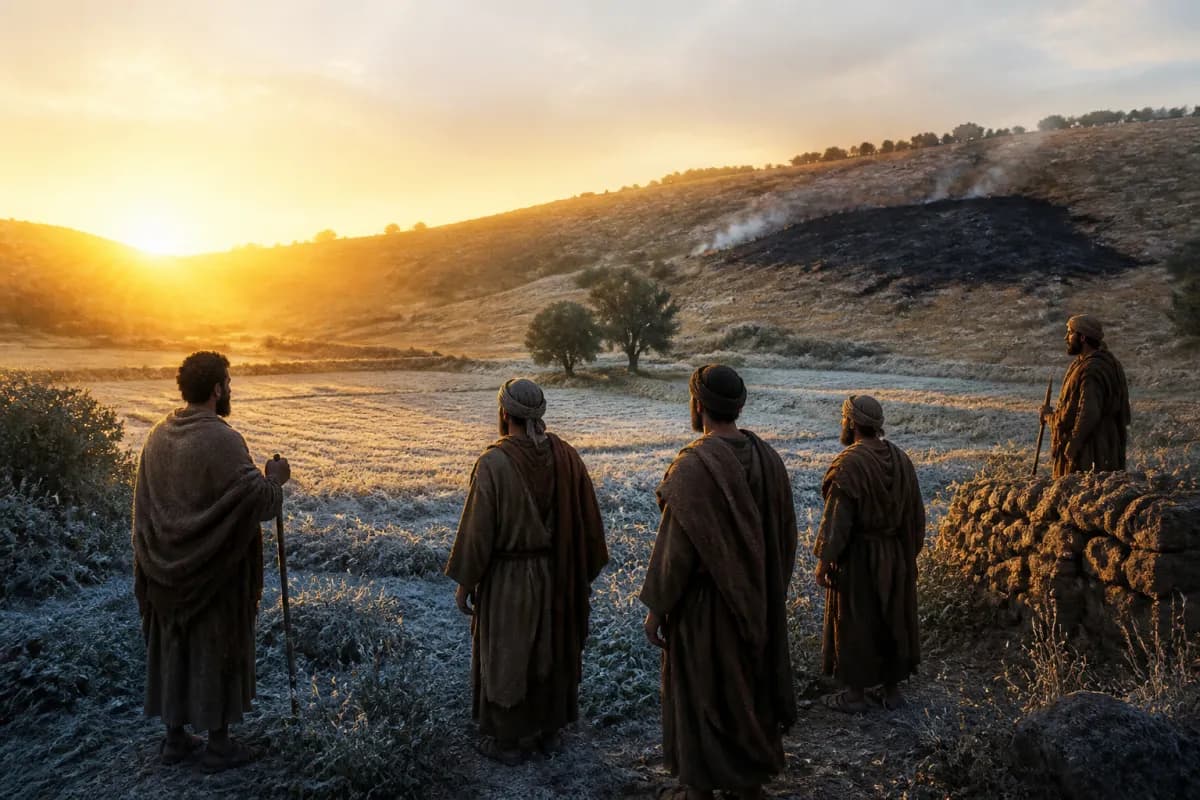
Malachi 4 closes the Old Testament prophetic collection with the coming day of the Lord. The arrogant and evildoers face a consuming judgment, while those who fear God’s name receive the healing light of the sun of righteousness. The people are told to remember Moses’ instruction and await Elijah’s return. Jesus identifies John the Baptist with this Elijah-like preparing work and brings the healing kingdom whose final justice He will complete.

Study this passage →
Matthew 1:1–2:23

740 of 876 · Passage study

Jesus, the Promised Son of David and Abraham

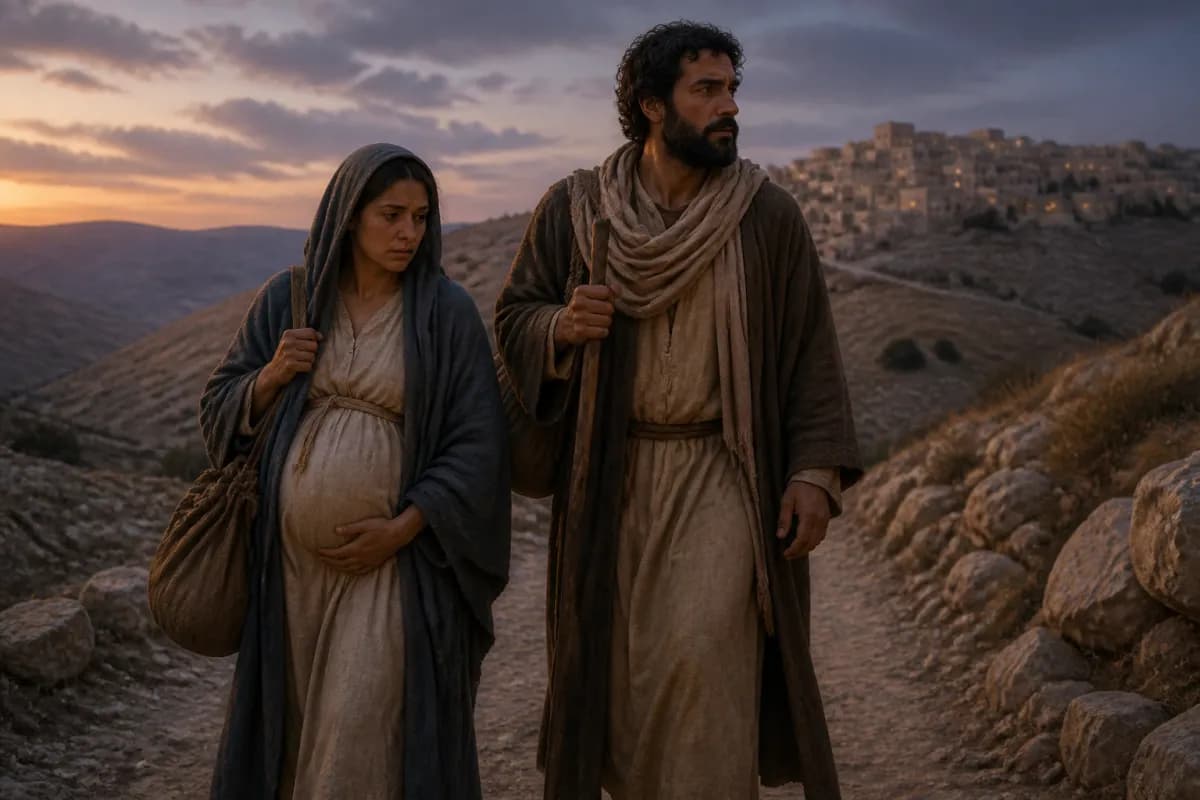
Matthew 1–2 identifies Jesus as the Messiah within Israel’s long story: Son of David, Son of Abraham, conceived by the Holy Spirit, born to save His people from their sins, and preserved through Herod’s violence. The genealogy, Joseph’s obedience, the magi’s worship, the flight to Egypt, and return to Nazareth show that God’s promised King has come in humility and danger without escaping His saving purpose.

Study this passage →
Matthew 3:1–4:25

741 of 876 · Passage study

The Beloved Son Brings the Kingdom Near

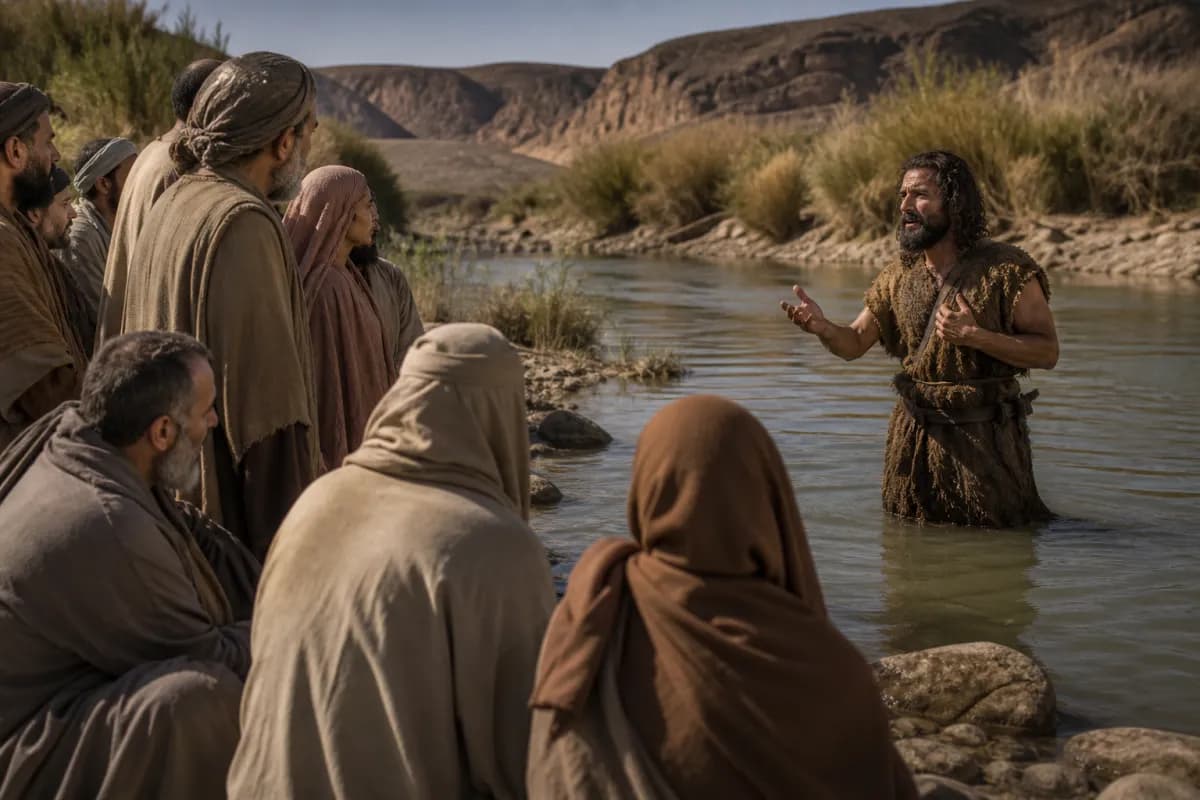
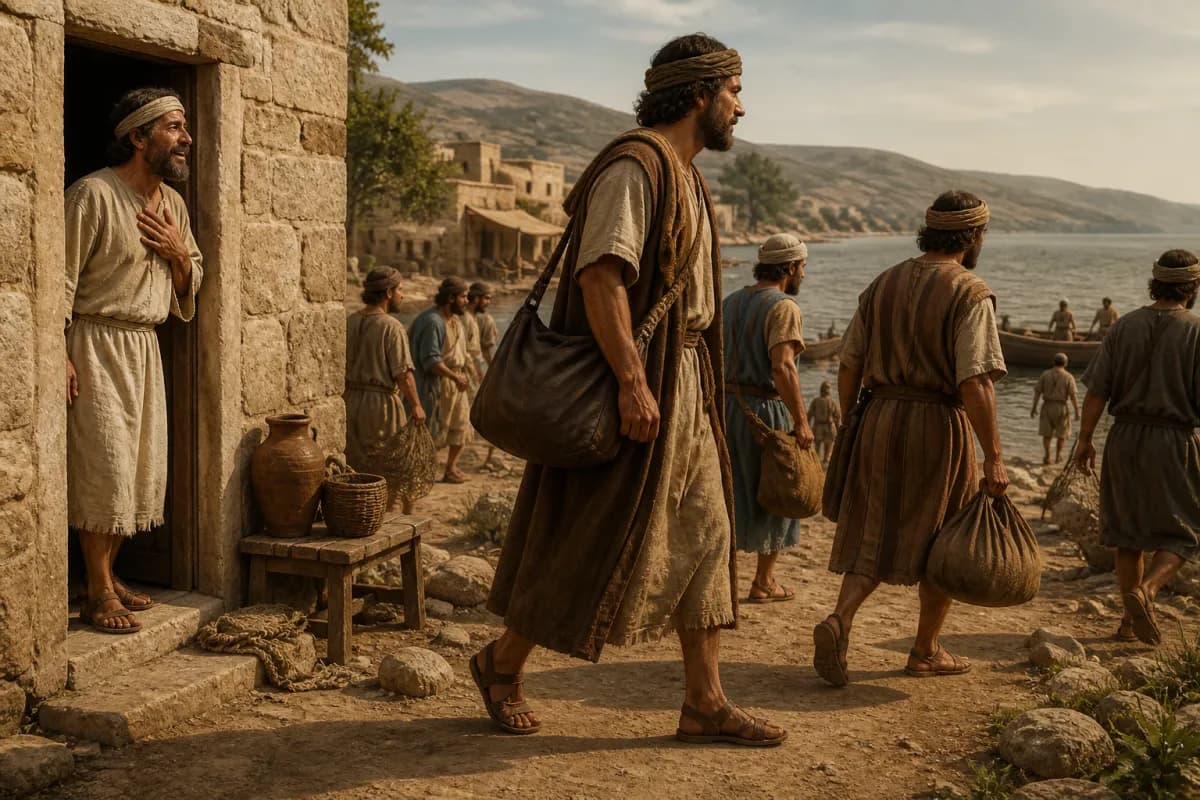
Matthew 3–4 begins Jesus’ public ministry with John’s call to repentance, Jesus’ baptism and Spirit-anointing, His victory over the devil’s temptations, and His first call to disciples. The Father identifies Him as the beloved Son, and Jesus proves that identity through obedient dependence on God’s word. He announces the kingdom near, heals the afflicted, and summons ordinary workers to join His mission of gathering people.

Study this passage →
Matthew 5:1–7:29

742 of 876 · Passage study

The King Forms a Righteous People

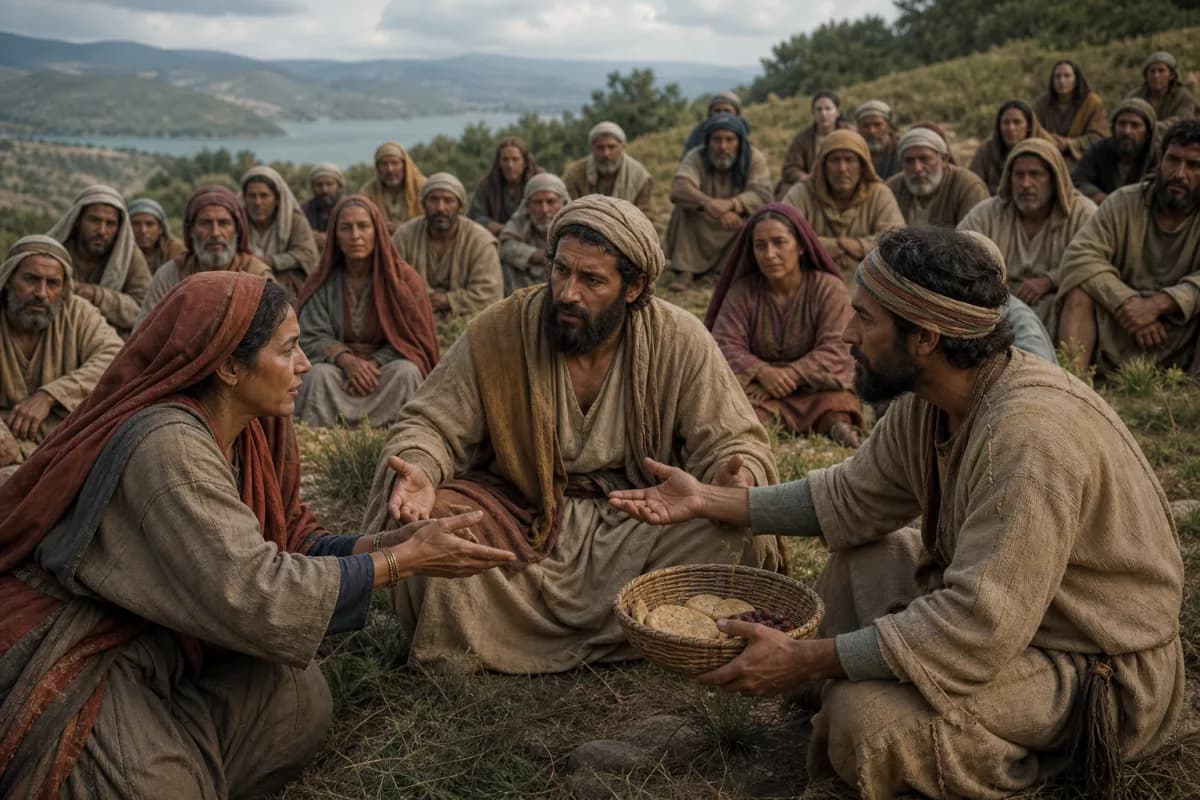
In Matthew 5–7, Jesus teaches His disciples what life under the reign of heaven looks like. He blesses the poor in spirit and the persecuted, fulfills rather than abolishes the Law and Prophets, exposes heart-level sin, teaches prayer and enemy-love, warns against anxious and hypocritical religion, and calls hearers to build their lives by doing His words. The sermon reveals both God’s holy standard and the grace needed to live as Jesus’ people.

Study this passage →
Matthew 8:1–10:42

743 of 876 · Passage study

The King’s Authority over Disease, Darkness, and Fear

Matthew 8–10 shows Jesus’ royal authority in action. He touches a leper, heals a centurion’s servant and Peter’s mother-in-law, stills a storm, frees demonized men, forgives and heals a paralytic, calls Matthew, restores the desperate, and sends the Twelve to proclaim the kingdom. His compassion does not avoid uncleanness or suffering; it advances His mission to save, gather, and prepare witnesses for a costly harvest.

Study this passage →
Matthew 11:1–13:52

744 of 876 · Passage study

The Kingdom Received, Resisted, and Revealed in Parables

Matthew 11–13:52 records sharply different responses to Jesus. John asks from prison, cities refuse to repent, religious leaders oppose Sabbath mercy and call His works demonic, His family seeks Him, and crowds hear kingdom parables. Yet Jesus invites weary people to take His yoke, identifies His true family as those who do the Father’s will, explains the mixed reception of His word, and reveals a kingdom that grows, judges evil, and is worth every costly exchange.

Study this passage →
Keep scrolling for the next passage.