Truth-Scrolling

Matthew 13:53–16:20

745 of 876 · Passage study

The Messiah Revealed in Glory and on the Way to the Cross

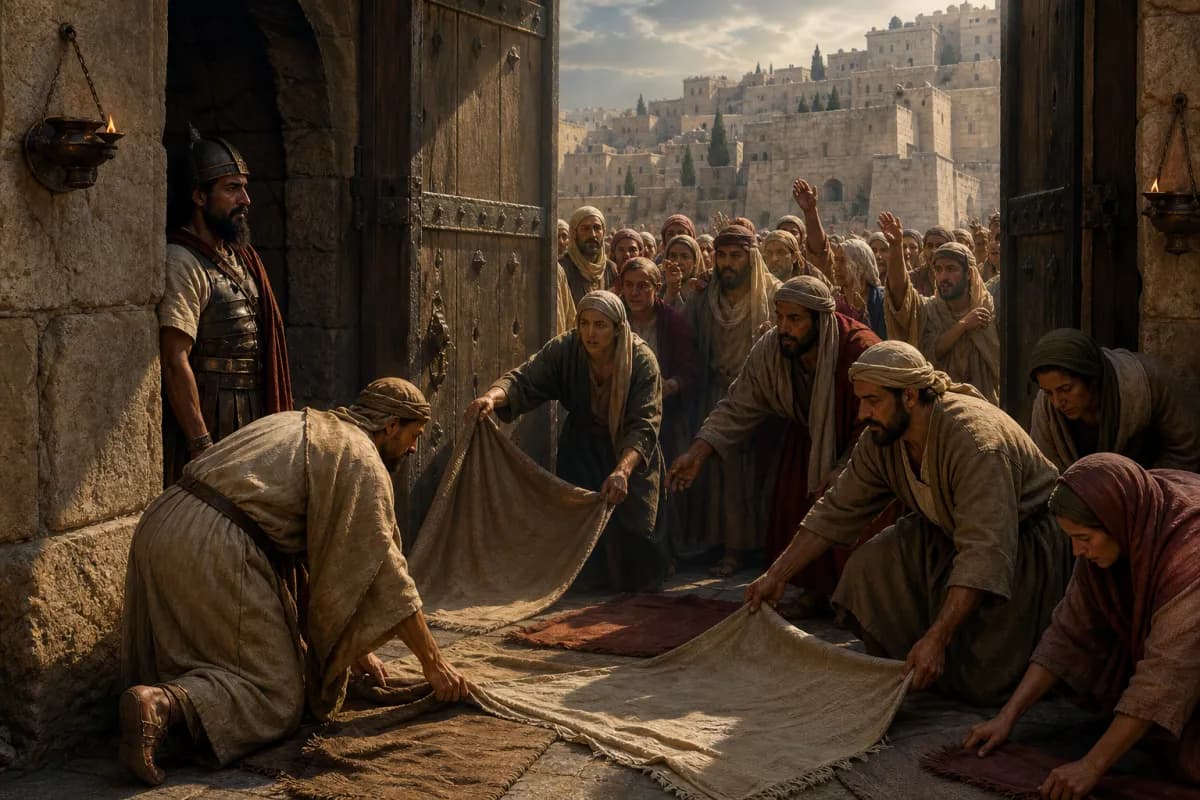
Matthew 13:53–16:20 moves from Nazareth’s offense at Jesus to Peter’s confession that He is the Messiah, the Son of the living God. Jesus feeds hungry crowds, walks on the sea, confronts traditions that leave hearts unclean, receives a Gentile mother’s plea, and warns against religious blindness. The section shows that the true Messiah is recognized by faith in His person and mercy, not by familiarity, spectacle, or inherited religion.
Study this passage →
Matthew 16:21–18:35

746 of 876 · Passage study

The Messiah’s Cross and the Life of His Community

Matthew 16:21–18:35 turns Peter’s true confession into the hard lesson of the cross. Jesus predicts His suffering, death, and resurrection; calls disciples to deny themselves; is transfigured before three witnesses; confronts unbelief and pride; and teaches a community how to seek the wandering, confront sin, forgive without keeping accounts, and live under the Father’s care. The King saves by giving His life and forms a people whose relationships bear that cruciform mercy.

Study this passage →
Matthew 19:1–20:34

747 of 876 · Passage study

Receiving the Kingdom on the Road to Jerusalem

Matthew 19–20 follows Jesus toward Jerusalem as He teaches about covenant faithfulness, children, possessions, reward, service, and mercy. He refuses to let marriage be treated as disposable, receives children whom others dismiss, exposes the rich young man’s divided heart, reorders laborers’ expectations through the landowner’s generosity, predicts His death, and gives sight to two blind men. The King’s road leads to self-giving service, and entrance into God’s kingdom is God’s gift rather than human achievement.

Study this passage →
Matthew 21:1–23:39

748 of 876 · Passage study

The King Enters His Temple and Exposes Unbelief

Matthew 21–23 brings Jesus into Jerusalem as the humble Davidic King who cleanses the temple, judges fruitless profession, answers challenges to His authority, and pronounces woes on leaders who burden others while refusing God’s visitation. The city welcomes Him with Scripture-shaped words yet resists His rule. Through parables and public debate, Jesus reveals that repentance, faith, and fruit—not religious position—mark those who receive God’s kingdom.

Study this passage →
Matthew 24:1–25:46

749 of 876 · Passage study

The Coming Son of Man Calls for Faithful Readiness

Matthew 24–25 records Jesus’ final teaching on the Mount of Olives, where He warns of the temple’s destruction, deception, persecution, and the coming of the Son of Man. He refuses date-setting and calls His disciples to endurance, watchfulness, faithful stewardship, and merciful readiness for His return. The discourse gives hope because the crucified and risen King will judge evil and complete His kingdom, but it also calls for a life that remains loyal while the master seems delayed.

Study this passage →
Matthew 26:1–28:20

750 of 876 · Passage study

The Crucified and Risen King Sends His People

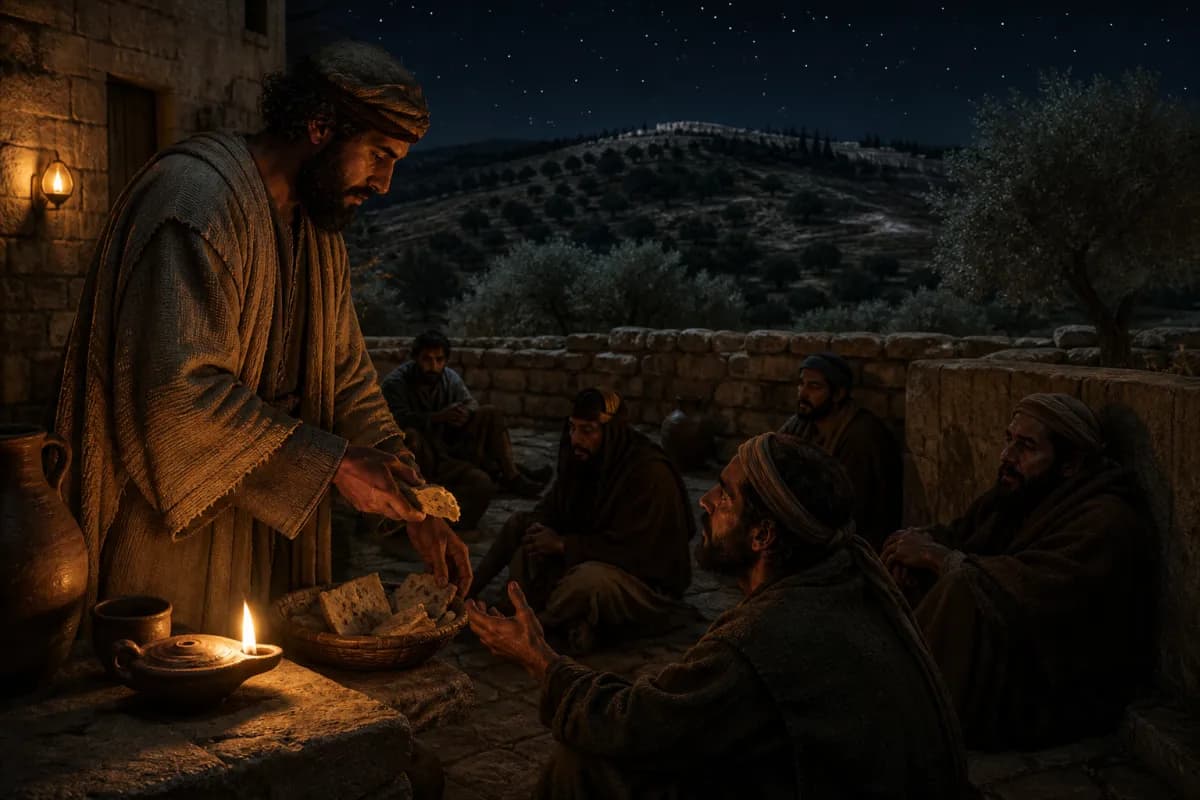
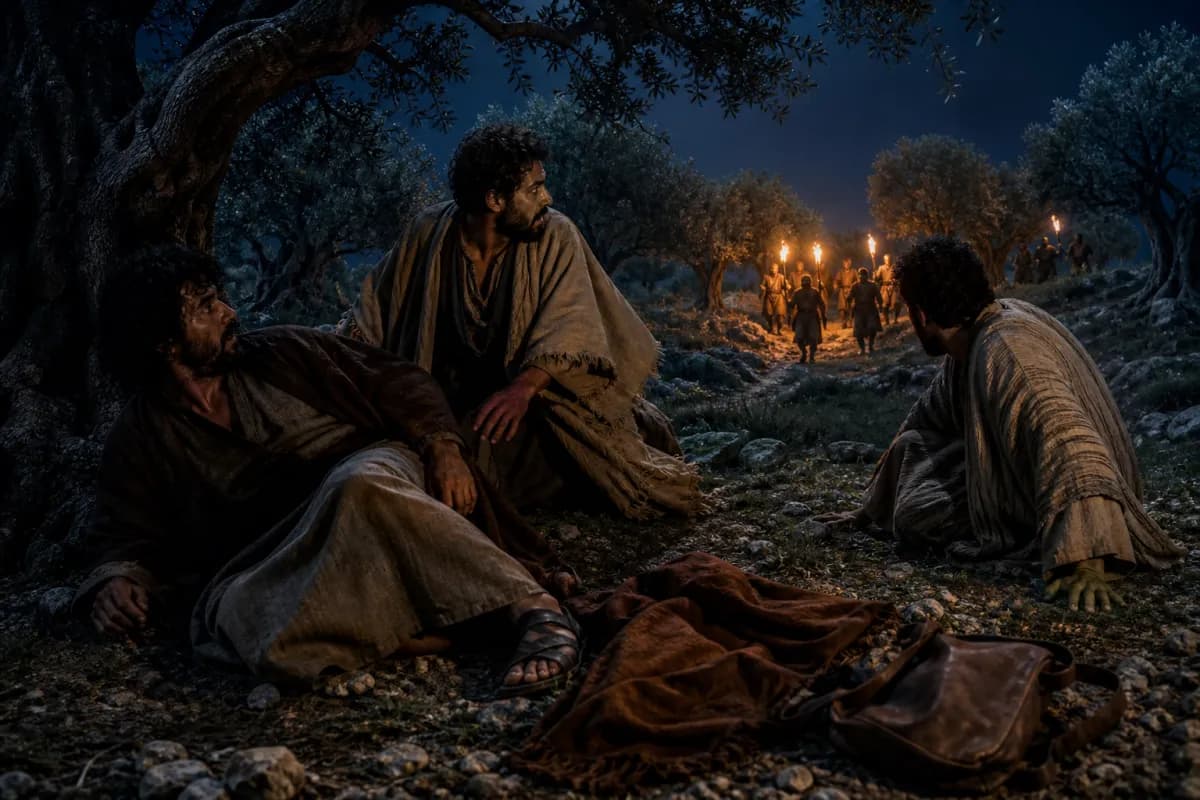
Matthew 26–28 brings Jesus’ saving mission to its center: He shares the Passover meal, gives His body and blood for forgiveness, prays in Gethsemane, is betrayed, condemned, crucified, buried, and raised, then commissions His disciples. Human failure fills the story—Judas betrays, Peter denies, leaders condemn, soldiers mock, and the disciples flee—yet Jesus willingly fulfills the Father’s will. His resurrection declares His authority, and His abiding presence sends disciples to the nations.

Study this passage →
Mark 1:1–3:6

751 of 876 · Passage study

The Holy One Who Announces and Enacts God’s Reign

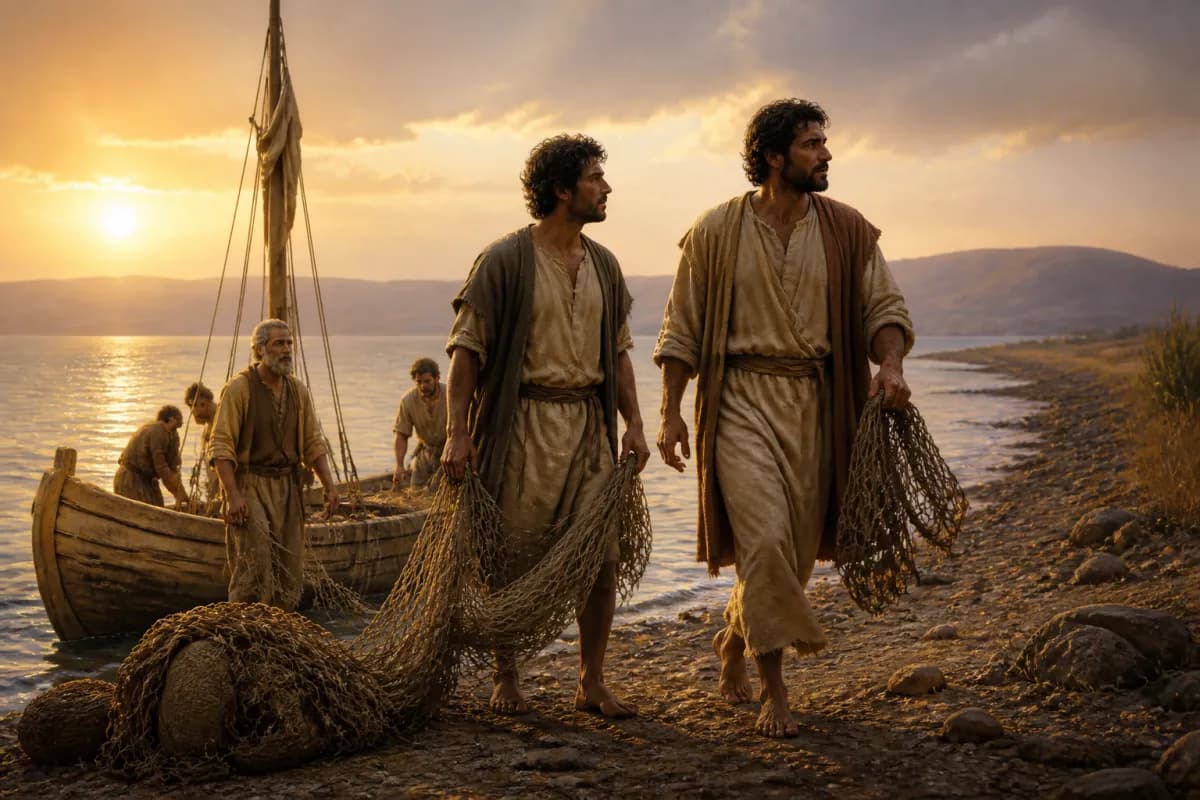
Mark 1:1–3:6 opens with the good news of Jesus Christ, God’s Son. John prepares His way; the Father names Him beloved at His baptism; He resists Satan, calls disciples, teaches, heals, forgives, and restores. Every scene displays an authority unlike the scribes’ authority, while the growing conflict over forgiveness and Sabbath begins to reveal the cost of His mission.

Study this passage →
Mark 3:7–5:43

752 of 876 · Passage study

The Kingdom Revealed in Word, Power, and Mercy

Mark 3:7–5:43 gathers crowds around Jesus as He appoints the Twelve, confronts a divided accusation, teaches the mystery of the kingdom in parables, stills the sea, frees a man ruled by demons, heals a suffering woman, and raises Jairus’s daughter. The passage asks whether people will hear His word and trust His authority when fear, opposition, and death press close.

Study this passage →
Mark 6:1–8:26

753 of 876 · Passage study

Bread in the Wilderness and Eyes Slow to See

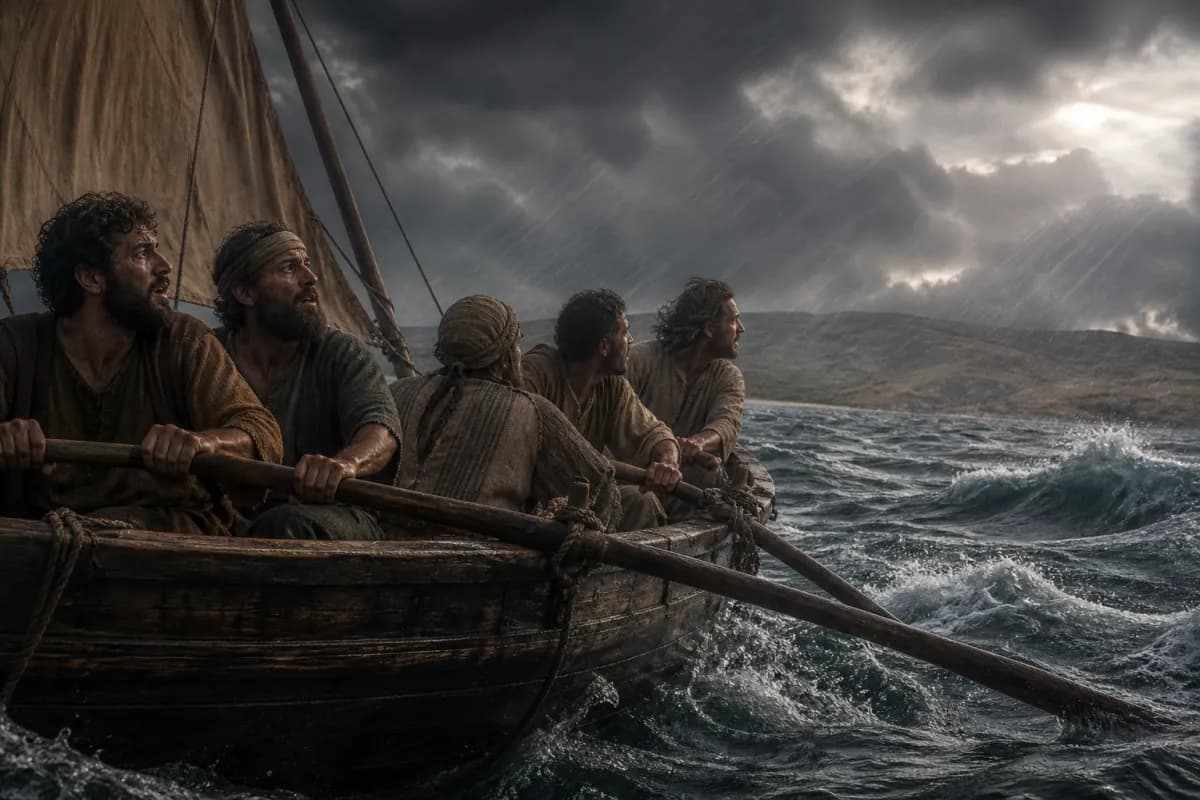
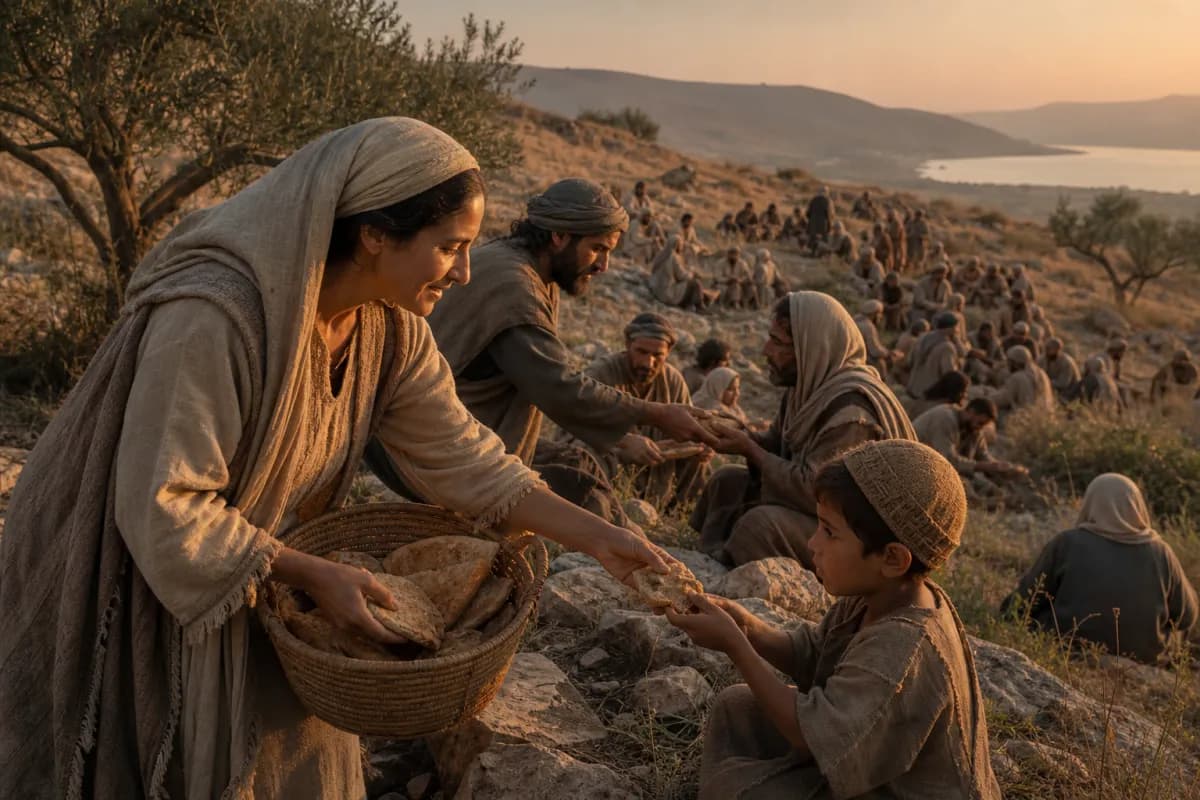
Mark 6:1–8:26 sets rejection beside mission, compassion beside scarcity, and revelation beside the disciples’ repeated incomprehension. Jesus sends the Twelve, feeds two vast crowds, walks on the sea, confronts tradition that leaves the heart unchanged, welcomes a Gentile mother’s plea, and heals a deaf man and a blind man. The bread stories press the disciples to recognize that the One among them is God’s sufficient provider.

Study this passage →
Mark 8:27–10:52

754 of 876 · Passage study

The Messiah Whose Road Leads Through the Cross

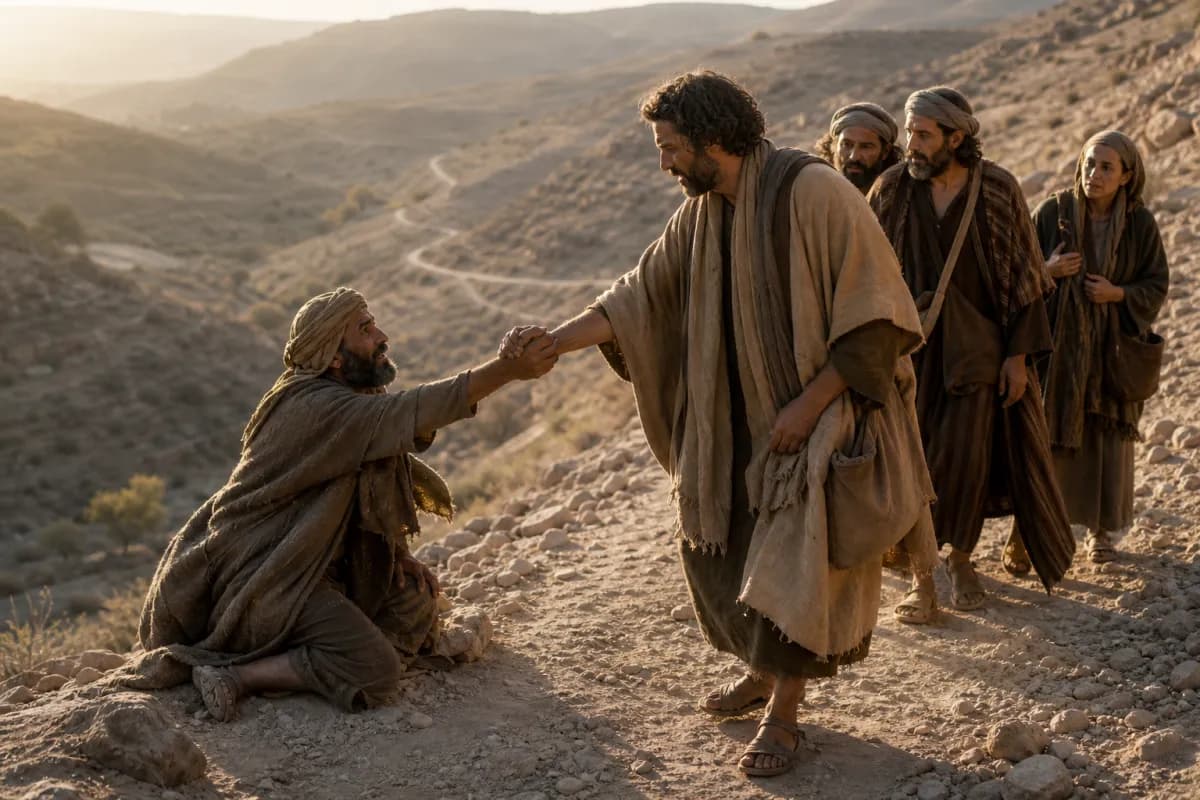
Mark 8:27–10:52 turns at Peter’s confession that Jesus is the Messiah, then immediately redefines messiahship through suffering, rejection, death, and resurrection. Jesus teaches three times that the Son of Man will be handed over, while His disciples argue about status, resist His path, and ask for glory. Bartimaeus, who calls Jesus Son of David and follows Him on the road, gives a final picture of sight that disciples need.

Study this passage →
Mark 11:1–13:37

755 of 876 · Passage study

The King in Jerusalem: Judgment, Worship, and Watchfulness

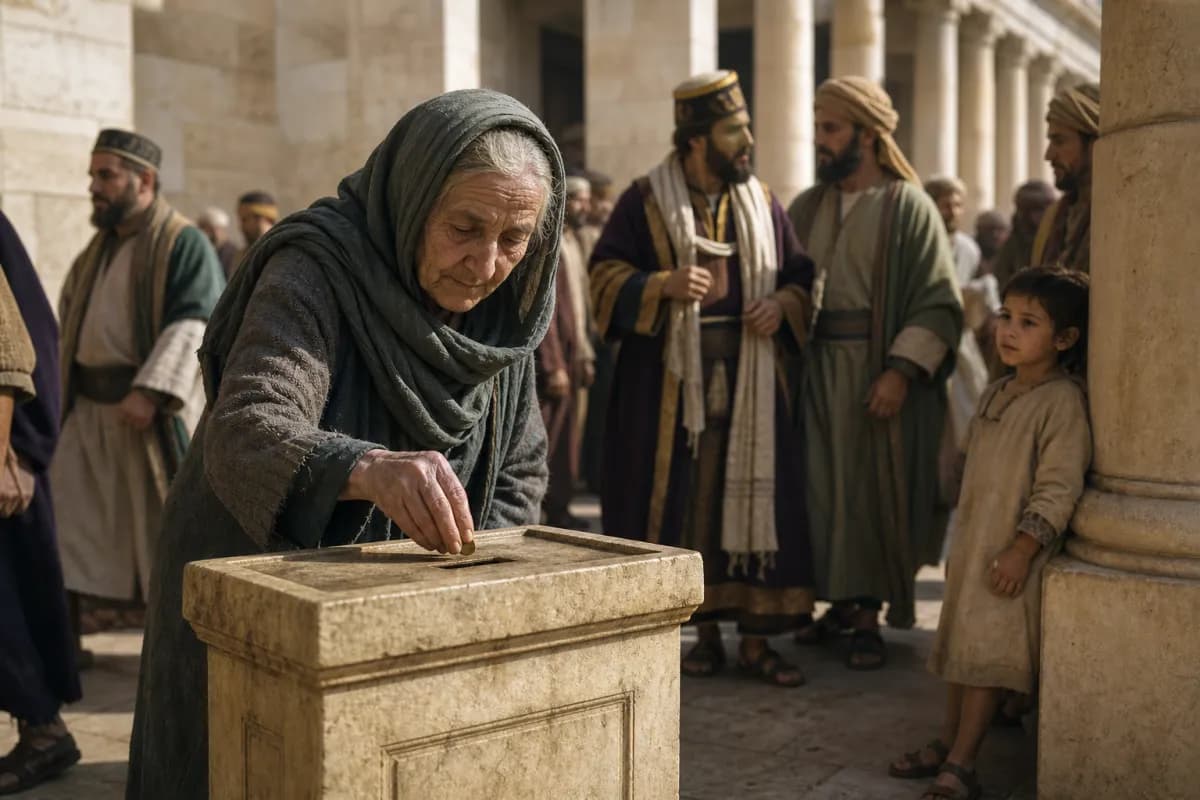
Mark 11–13 brings Jesus into Jerusalem as the promised King, where He judges fruitless worship, answers challenges to His authority, warns against leaders who devour the vulnerable, commends a widow’s whole gift, and speaks of the temple’s coming destruction and the Son of Man’s final appearing. The chapter calls disciples to prayerful fruitfulness and steady watchfulness under the King who will return.

Study this passage →
Mark 14:1–16:20

756 of 876 · Passage study

The Crucified and Risen King Sends the Gospel

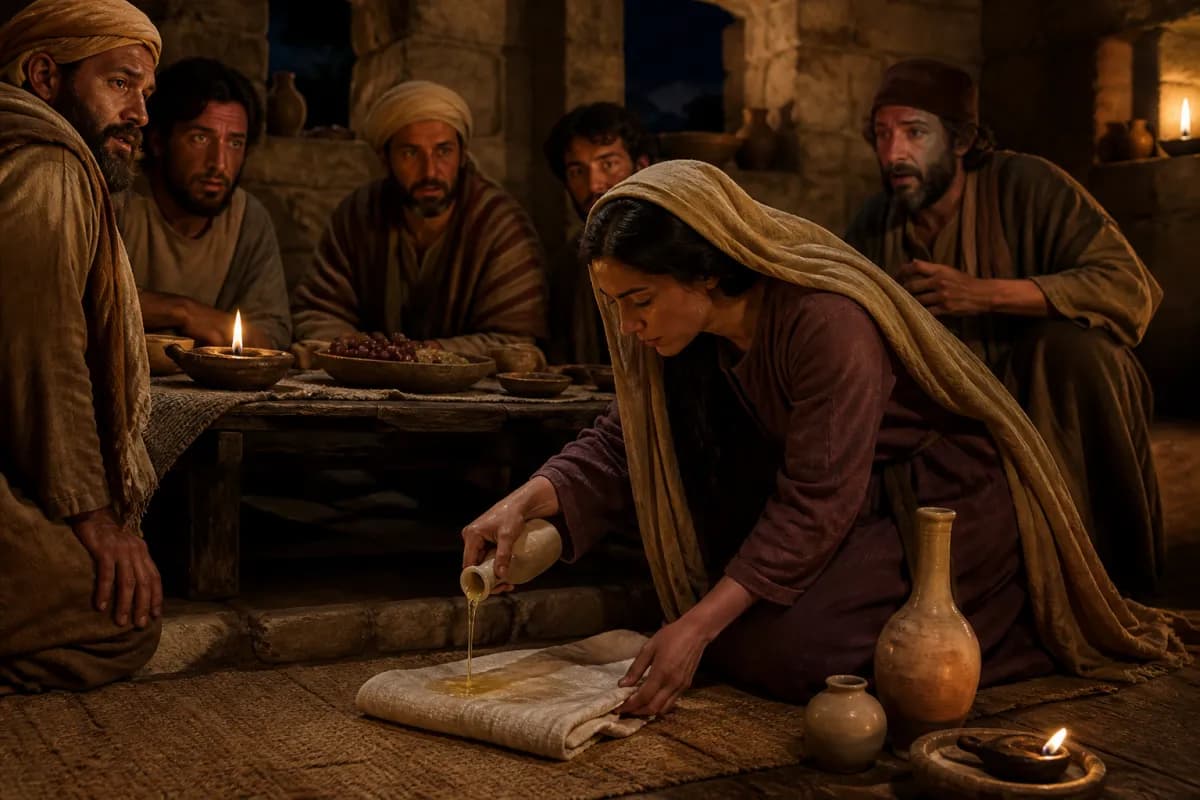
Mark 14–16 brings Jesus to His appointed hour. An unnamed woman anoints Him for burial; He gives bread and cup as signs of His body and covenant blood; He prays in Gethsemane, is abandoned, tried, mocked, crucified, and buried; women find the tomb empty and hear that He has been raised. The gospel culminates in the saving death and resurrection of the Son of God, whose good news must be proclaimed.

Study this passage →
Keep scrolling for the next passage.