Truth-Scrolling

Proverbs 10:1–10:32

613 of 876 · Passage study

The Righteous and the Wicked in Work, Speech, and Desire

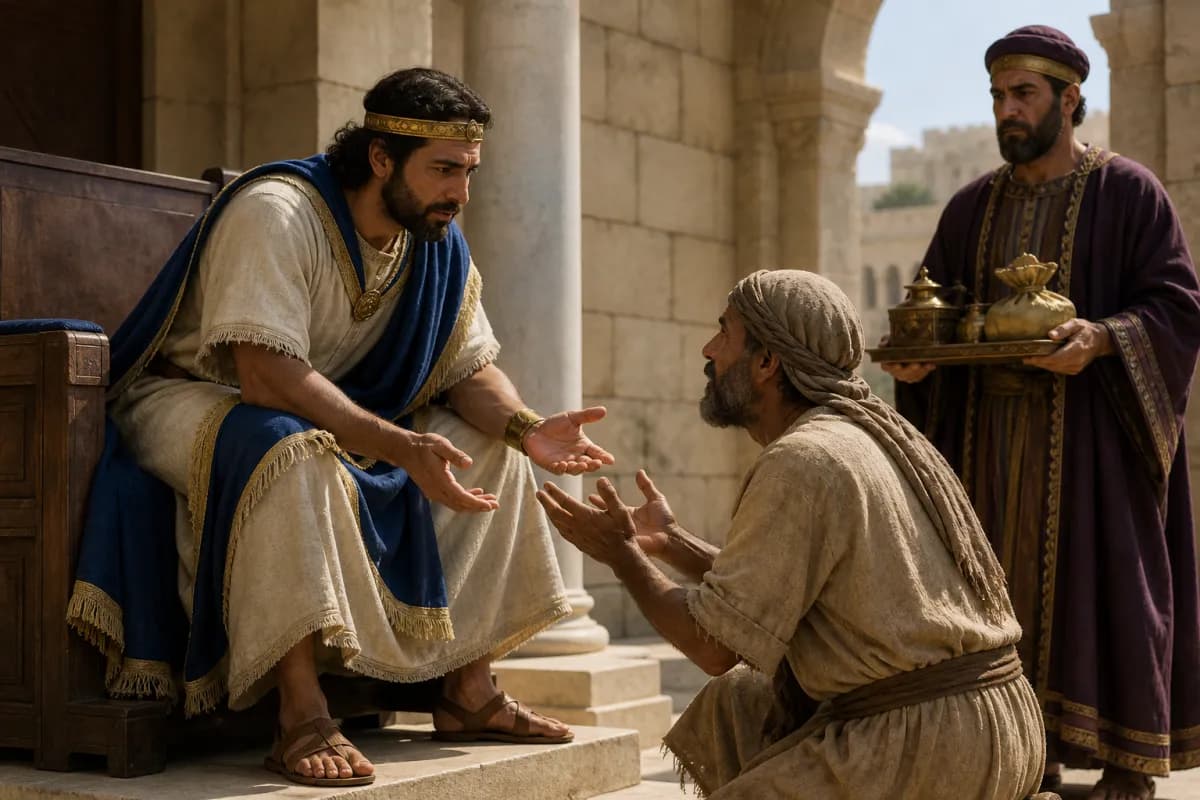
Proverbs 10 begins Solomon’s short sayings with repeated contrasts between righteous and wicked, wise and foolish, diligent and slack, truthful and lying, generous and grasping. The chapter does not offer a mechanical formula for prosperity; it teaches that the Lord’s moral order reaches into labor, speech, wealth, family, and desire. Jesus saves those whose sin has corrupted these places and forms a people marked by His righteousness and life-giving words.
Study this passage →
Proverbs 11:1–11:31

614 of 876 · Passage study

Honest Scales and Open Hands Before the Lord

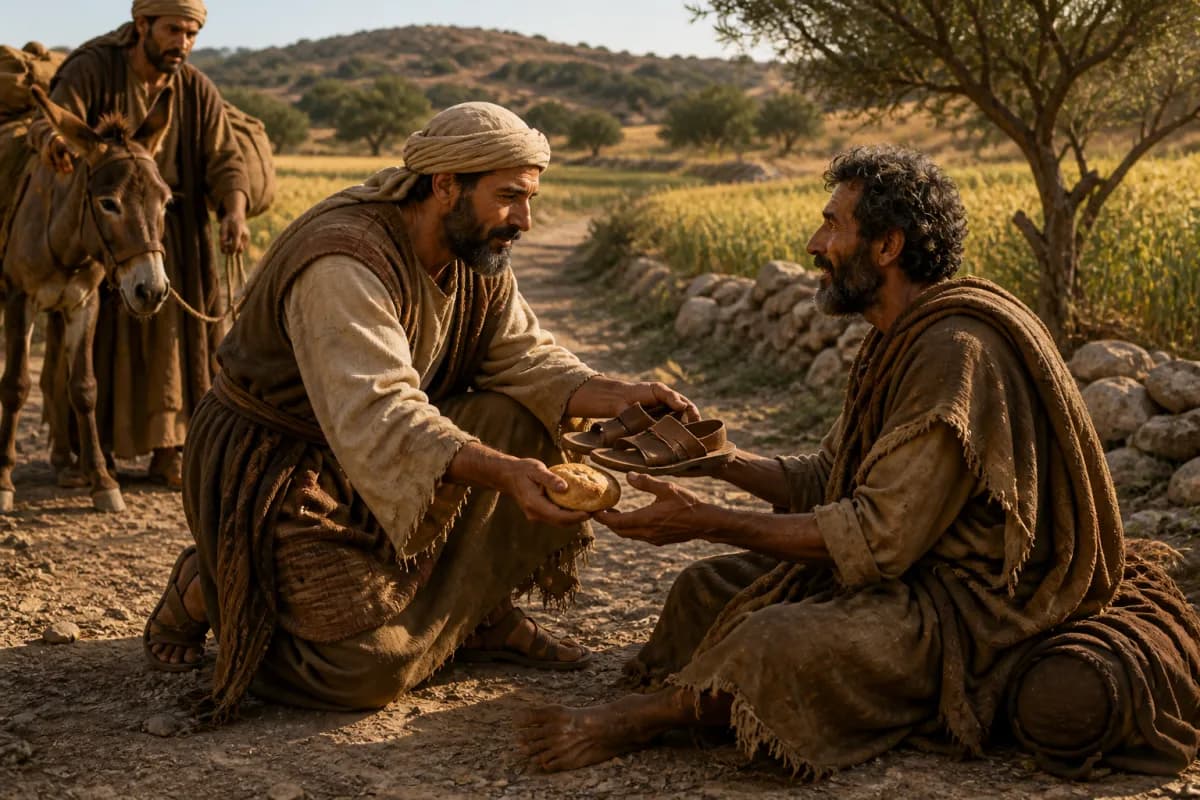
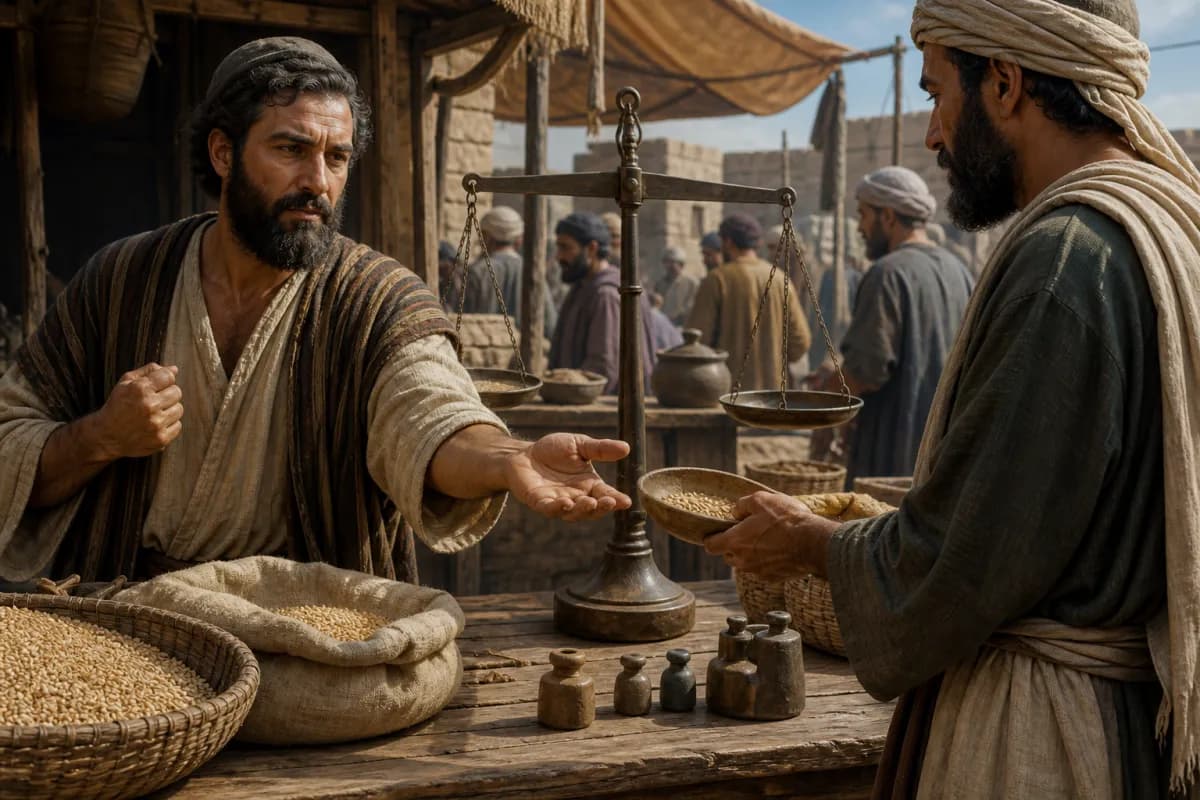
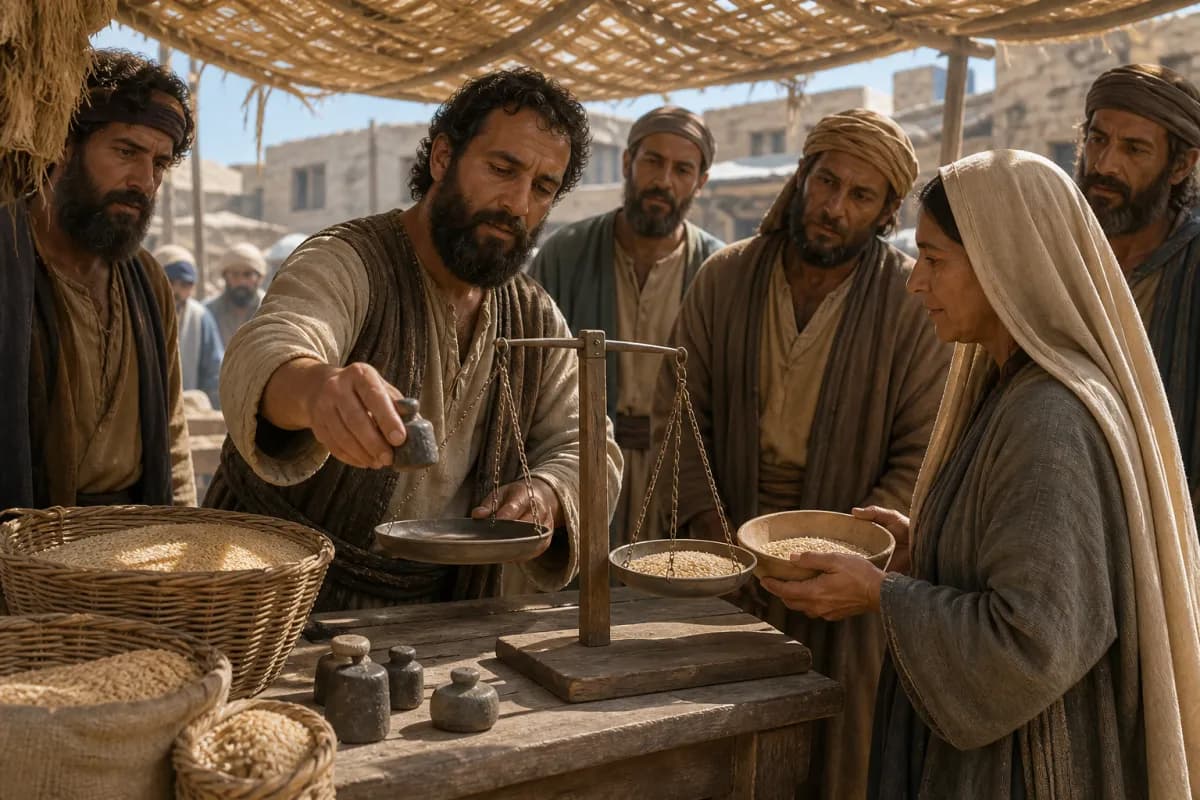
Proverbs 11 contrasts the upright and the wicked in commerce, speech, community, generosity, and death. The chapter begins with dishonest scales and ends with the righteous finding life, showing that integrity before God is never merely private. Jesus gives sinners a righteousness they do not possess and makes His people free to deal honestly and give generously.

Study this passage →
Proverbs 12:1–12:28

615 of 876 · Passage study

Loving Correction and Speaking What Gives Life

Proverbs 12 contrasts the teachable and the stubborn through correction, speech, work, honesty, and care for creatures. The chapter calls wisdom the love of discipline because truth can wound pride before it heals a life. Jesus receives foolish sinners, forgives their lies and negligence, and teaches them to live under His truthful, life-giving word.

Study this passage →
Proverbs 13:1–13:25

616 of 876 · Passage study

Guarded Words, Patient Hope, and the Way of Life

Proverbs 13 gathers warnings and promises around parental instruction, guarded speech, diligent work, honest wealth, hope, friendship, and discipline. Its image of hope deferred making the heart sick gives emotional weight to wisdom’s call for patient faithfulness. Jesus meets weary sinners in their disappointment, forgives their destructive choices, and leads them on the way of life.

Study this passage →
Proverbs 14:1–14:35

617 of 876 · Passage study

The Fear of the Lord in a House, a City, and a Nation

Proverbs 14 sets wise building against foolish tearing down, honest testimony against falsehood, compassion for the poor against contempt, and the fear of the Lord against self-deceived paths. The chapter insists that righteousness has public consequences for households, cities, and nations. Jesus saves people trapped on ways that seem right and creates a people who fear God and love their neighbors.

Study this passage →
Proverbs 15:1–15:33

618 of 876 · Passage study

A Gentle Answer Before the God Who Sees

Proverbs 15 joins a gentle answer, the Lord’s searching eyes, teachability, humble planning, and prayer into one portrait of wisdom. The chapter does not reduce peace to avoiding hard truth; it contrasts healing speech with harsh anger and humble correction with self-will. Jesus bears sinners’ rebellion, hears His people, and teaches them to walk humbly before the Father who sees every heart.

Study this passage →
Proverbs 16:1–16:33

619 of 876 · Passage study

Plans, the King, and the Lord Who Directs the Way

Proverbs 16 repeatedly places human plans, speech, judgment, travel, and royal power under the Lord who weighs motives and directs steps. The chapter commends diligent planning and just rule, yet overturns self-confidence: the heart may devise a way, but the Lord establishes its course. In Christ, sinners find forgiveness for proud self-rule and a wise King whose reign is righteous.

Study this passage →
Proverbs 17:1–17:28

620 of 876 · Passage study

Peace at the Table and the Friend Who Stays

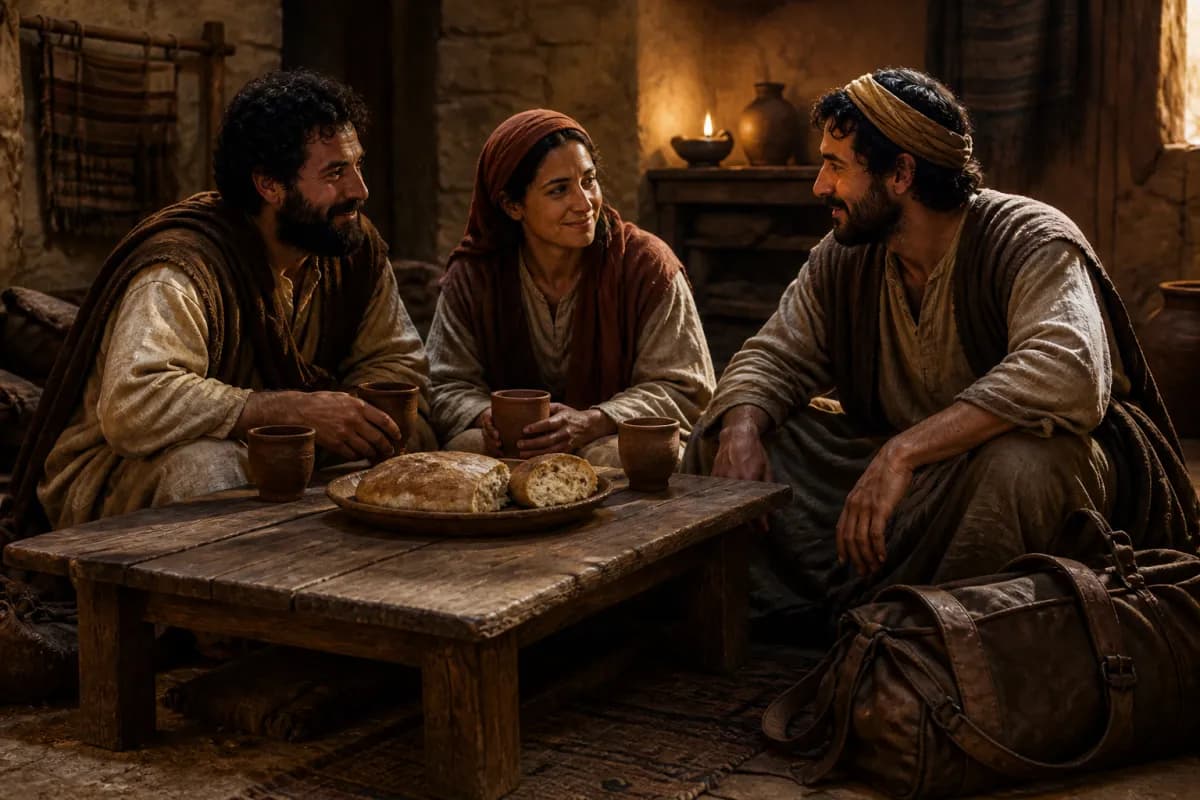
Proverbs 17 contrasts a quiet home with a rich but hostile one, truth-loving speech with bribery and false testimony, and faithful friendship with the selfishness that abandons a neighbor. The Lord tests hearts and hears words. Jesus bears the shame of sinful people and makes them members of His household, teaching them to pursue peace, honest judgment, and steadfast love.

Study this passage →
Proverbs 18:1–18:24

621 of 876 · Passage study

The Name of the Lord and Words That Wound or Heal

Proverbs 18 exposes the isolating folly of self-will and traces the power of words through quarrels, testimony, counsel, wealth, poverty, and friendship. A person may hide behind a fortified city of riches, but the name of the Lord is the true strong tower. Jesus brings guilty and isolated sinners to the Father and teaches His people to use words in humility, truth, and love.

Study this passage →
Proverbs 19:1–19:29

622 of 876 · Passage study

The Poor, the Disciplined Child, and the Lord’s Purpose

Proverbs 19 joins integrity in poverty, patience with anger, compassion for the poor, parental discipline, honest testimony, and God’s sovereign purpose. The chapter sees how wealth can attract shallow friends and how folly can ruin a life before blaming the Lord. Jesus meets the poor and sinful with mercy, bears judgment for falsehood, and forms a people whose plans yield to God’s purpose.

Study this passage →
Proverbs 20:1–20:30

623 of 876 · Passage study

Honest Scales, Patient Kings, and the Search of the Heart

Proverbs 20 gathers warnings about wine, anger, sloth, dishonest scales, false testimony, revenge, and premature boasting beneath the Lord who searches the human spirit. The chapter calls for patient, truthful life in a world of hidden motives and contested claims. Jesus alone knows the heart without deception, bears the guilt of sinners, and makes His people wait for the Lord rather than retaliate.

Study this passage →
Proverbs 21:1–21:31

624 of 876 · Passage study

The King’s Heart, the Sacrifice God Desires, and the Way of Justice

Proverbs 21 places royal power, private desire, worship, work, speech, and conflict under the Lord who weighs the heart. It insists that righteousness and justice matter more to God than sacrifice offered by the wicked. Jesus fulfills the righteous obedience this chapter requires and, by His saving mercy, forms a people who seek justice rather than trusting religious appearance.

Study this passage →
Keep scrolling for the next passage.