Truth-Scrolling

Psalms 16:1–16:11

469 of 876 · Passage study

The Lord as Portion and the Path of Life

Psalm 16 confesses that the Lord Himself is the faithful worshiper’s security, inheritance, and joy amid rival gods and the threat of death. Its hope that God will not abandon His faithful one to the grave finds explicit fulfillment in Jesus’ resurrection, which gives believers durable hope and the path of life in Him.


Study this passage →
Psalms 17:1–17:15

470 of 876 · Passage study

Psalm 17: Kept as the Apple of God’s Eye

Psalm 17 is David’s plea for God to hear a just cause, test his heart, guard him from violent enemies, and satisfy him at waking with God’s likeness. It gives believers language to seek the Lord’s protection without taking vengeance, and its hope of waking before God finds its firmest fulfillment in Jesus’ resurrection and the resurrection life He gives His people.

Study this passage →
Psalms 18:1–18:50

471 of 876 · Passage study

Psalm 18: The Rock Who Draws His King from Deep Waters

Psalm 18 is David’s great song of deliverance after the Lord rescued him from Saul and other enemies. The Lord hears David’s cry, comes in storm-like majesty, draws him from overwhelming waters, trains him for conflict, and establishes his king. Its Davidic hope reaches its climax in Jesus, the risen King whose deliverance secures mercy for people from the nations.

Study this passage →
Psalms 19:1–19:14

472 of 876 · Passage study

Psalm 19: The God Whose Glory Fills the Heavens and Whose Word Searches the Heart

Psalm 19 moves from the heavens’ unceasing witness to God’s glory to the Lord’s perfect instruction and finally to a prayer for cleansing from hidden faults and willful sin. Jesus is the eternal Word through whom all things were made and the fulfiller of God’s law; through Him, the God whose creation speaks and whose instruction searches brings sinners to forgiveness and faithful speech.

Study this passage →
Psalms 20:1–20:9

473 of 876 · Passage study

Psalm 20: The Name of the Lord in the Day of Trouble

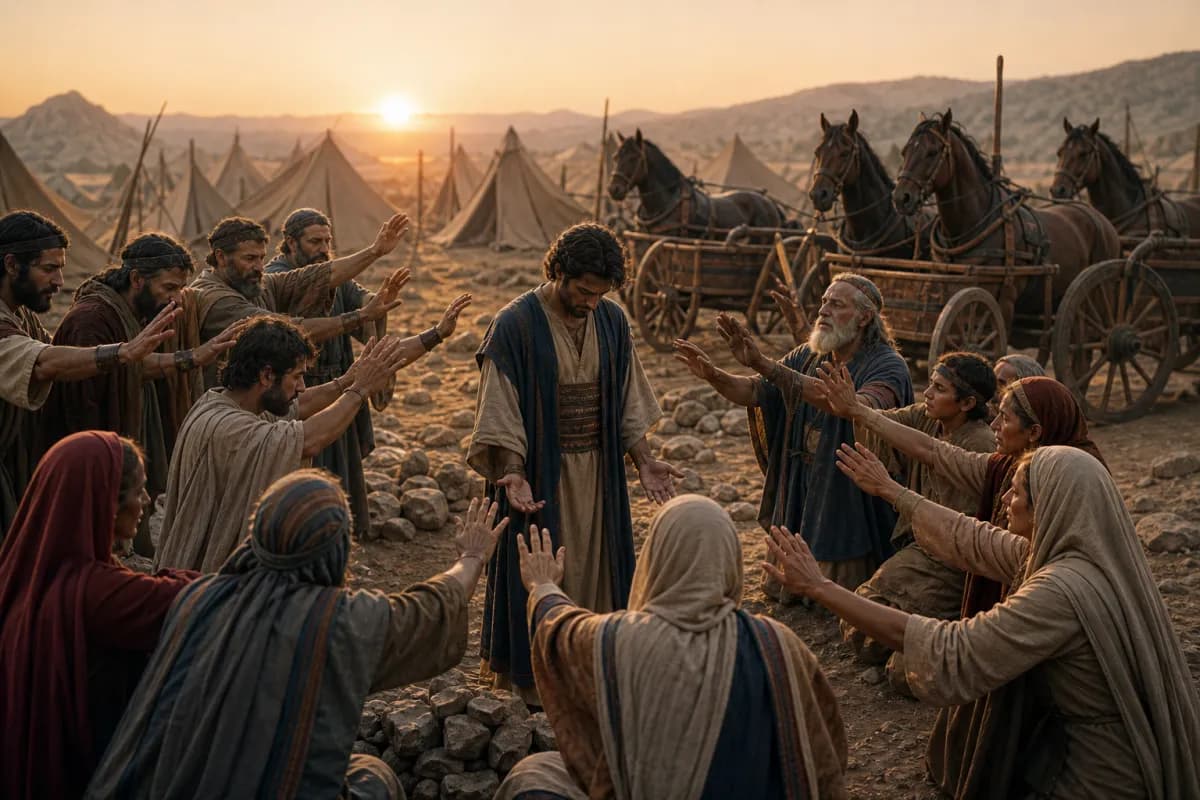
Psalm 20 is a congregation’s prayer for the king as he goes into a day of trouble. They ask the Lord to answer him, remember his offerings, grant the desires shaped by God’s purpose, and give victory. The psalm refuses confidence in chariots and horses, locating Israel’s hope in the Lord’s name. Jesus, the anointed King who saves His people, fulfills this royal hope and turns self-reliance into faith.

Study this passage →
Psalms 21:1–21:13

474 of 876 · Passage study

Psalm 21: Joy in the Strength Given to the King

Psalm 21 answers Psalm 20’s plea with praise: the king rejoices because the Lord has given him strength, victory, life, glory, and enduring blessing. The people celebrate God’s faithfulness to His anointed king while also acknowledging that God will confront those who hate Him. Jesus, the risen Son of David, receives everlasting life and reigns with grace and justice for the salvation of His people.

Study this passage →
Psalms 22:1–22:31

475 of 876 · Passage study

The Forsaken Cry, the Rescued Sufferer, and Praise Among the Nations

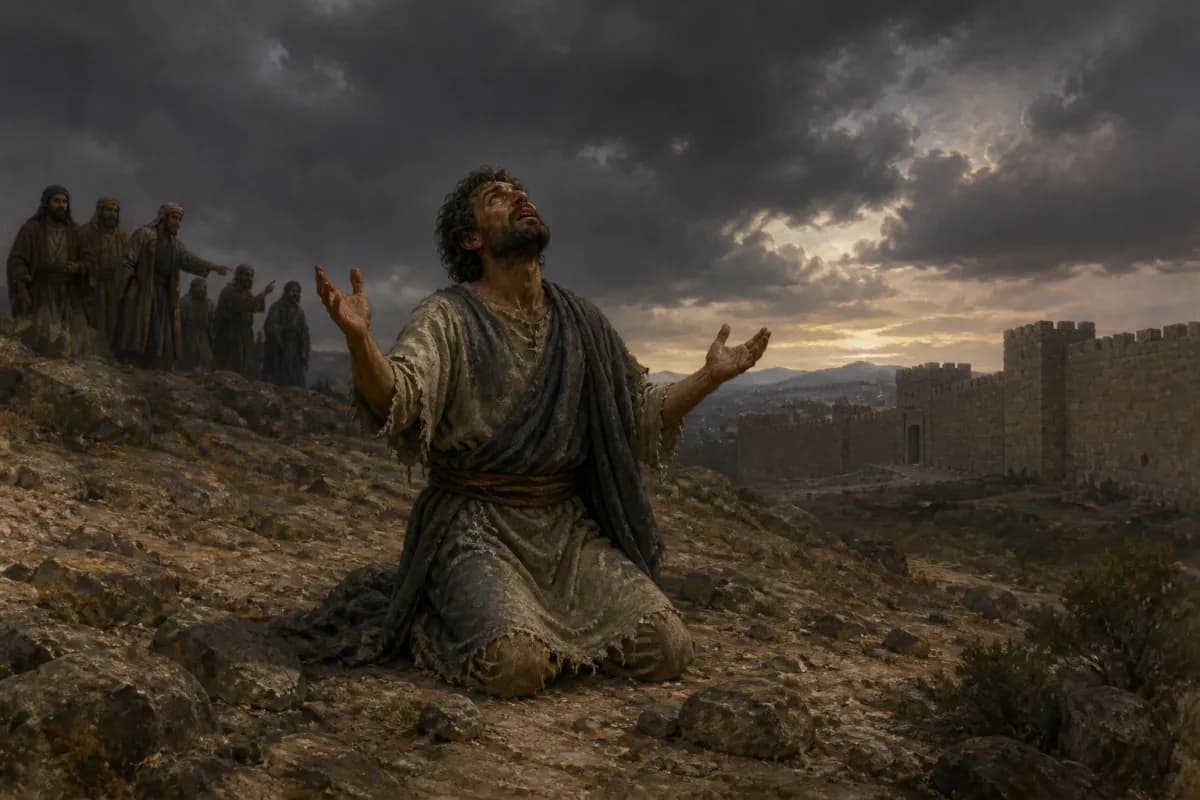
Psalm 22 moves from the anguished cry of one who feels forsaken, through public mockery and mortal danger, to answered prayer and worldwide praise. Jesus explicitly takes its opening words on the cross, and the psalm helps readers see His suffering, vindication, and mission to gather the nations into worship of the God who hears the afflicted.

Study this passage →
Psalms 23:1–23:6

476 of 876 · Passage study

Psalm 23: The Shepherd Who Brings His People Home

Psalm 23 confesses the Lord as the shepherd whose care supplies, restores, guides, protects, and finally welcomes His servant into His house. The psalm does not deny dark valleys or hostile enemies; it names God’s presence within them. Jesus explicitly calls Himself the good shepherd who lays down His life for the sheep, making this trust a hope grounded in His saving care.

Study this passage →
Psalms 24:1–24:10

477 of 876 · Passage study

Psalm 24: The King of Glory Enters

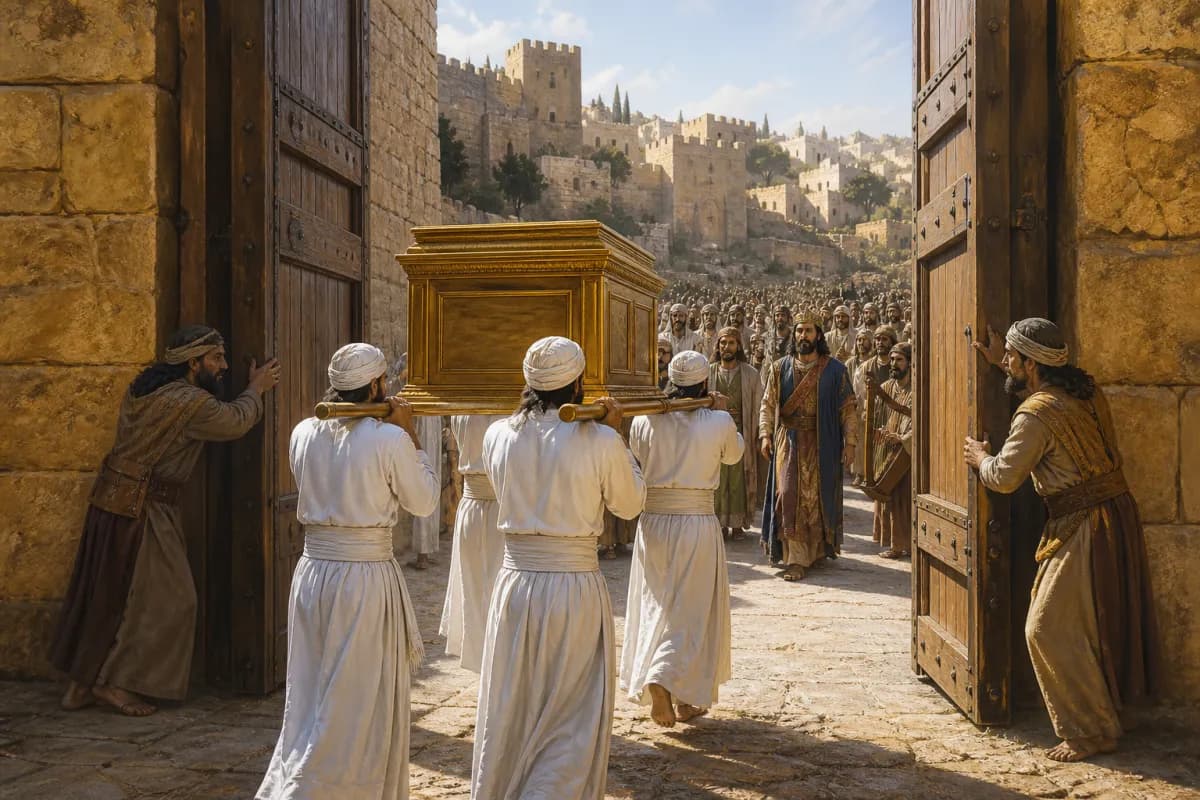
Psalm 24 celebrates the Lord as Creator, asks who may enter His holy place, and summons the gates to receive the King of glory. The psalm joins God’s universal ownership with His holy presence: the whole earth is His, yet sinners cannot casually ascend His hill. Jesus, the sinless King and risen Lord, brings His people near through His saving work.

Study this passage →
Psalms 25:1–25:22

478 of 876 · Passage study

Psalm 25: Teach Me Your Paths and Forgive My Guilt

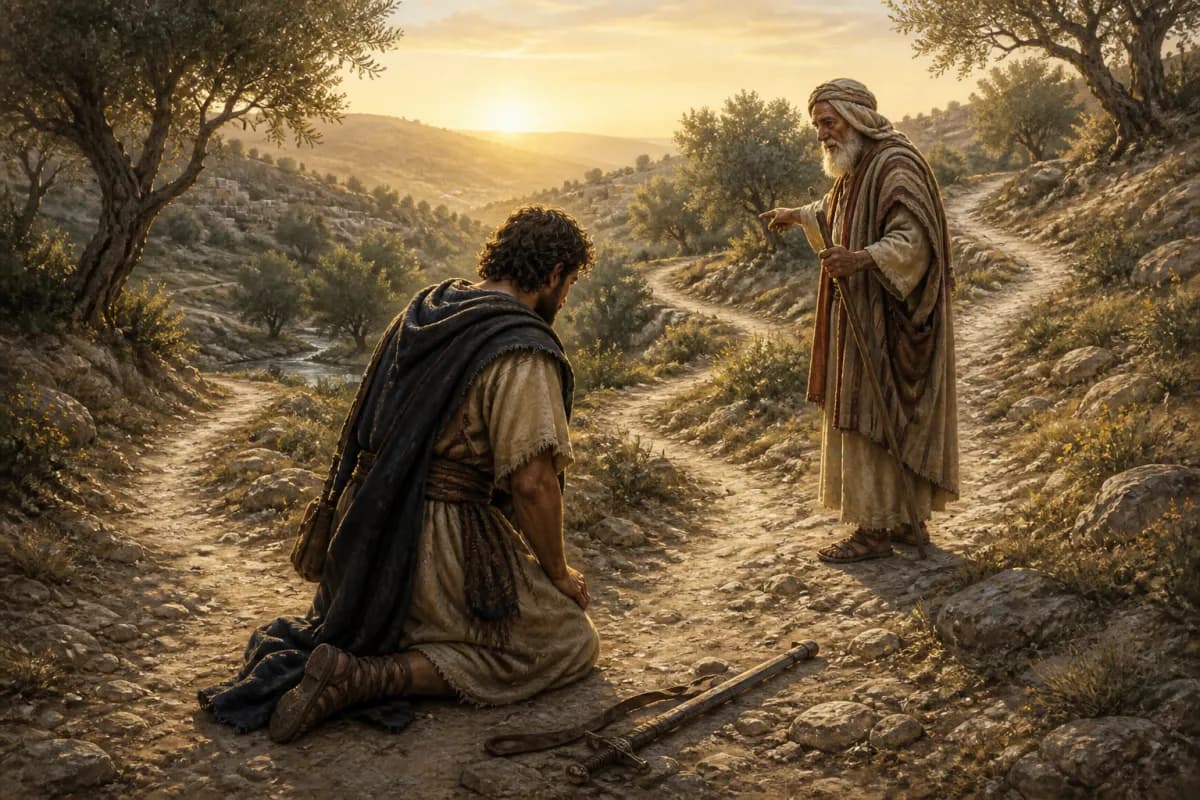
Psalm 25 joins a plea for guidance with a confession of sin. David lifts his soul to the Lord, asks not to be shamed by enemies, appeals to God’s steadfast love, asks to be taught His paths, and pleads for pardon because his guilt is great. Jesus brings sinners to the Father through His mercy and teaches His disciples the way of faithful life under God’s covenant love.

Study this passage →
Psalms 26:1–26:12

479 of 876 · Passage study

Psalm 26: Examine Me Before I Draw Near

Psalm 26 is David’s appeal for vindication as he asks the Lord to examine his integrity, reject the company of deceitful people, and let him worship at God’s altar with thanksgiving. His claim concerns a whole-hearted pattern of trust in the Lord, not sinless perfection. Jesus alone is wholly righteous; through His cleansing sacrifice, guilty worshipers can draw near in truth and learn integrity before God.

Study this passage →
Psalms 27:1–27:14

480 of 876 · Passage study

Psalm 27: One Desire in the Face of Fear

Psalm 27 joins fearless trust with urgent lament. David calls the Lord his light, salvation, and stronghold; seeks one thing above all, to dwell before the Lord; asks not to be abandoned by false witnesses; and tells his own heart to wait with courage. Jesus brings His people into God’s presence, stands with them when others fail, and secures the hope that waiting on the Lord will not end in shame.

Study this passage →
Keep scrolling for the next passage.