Truth-Scrolling

Acts 6:1–8:40

781 of 876 · Passage study

The Word Spreads from Stephen’s Witness to Samaria’s Joy

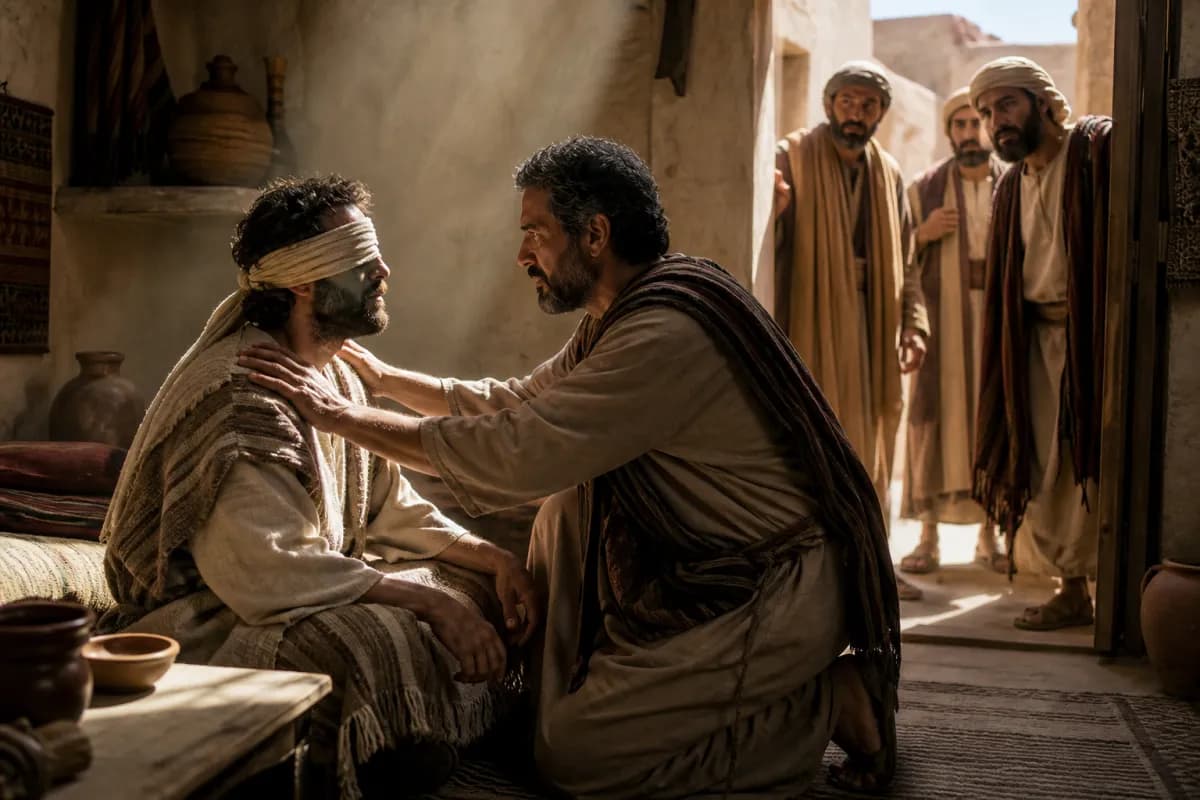
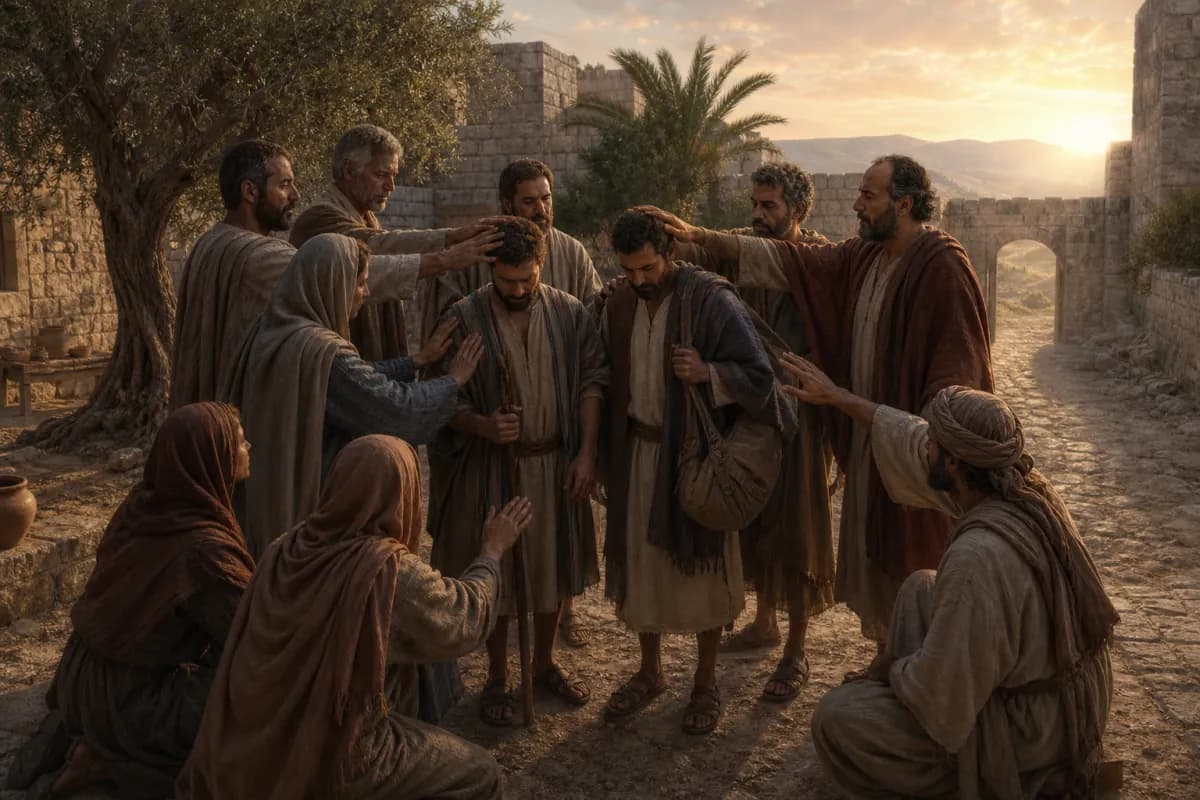
Acts 6:1–8:40 follows the gospel beyond its first Jerusalem growth. The church appoints seven trusted servants to address neglected widows; Stephen’s Spirit-filled witness identifies Jesus as the Righteous One and leads to his death; persecution scatters believers; Philip proclaims the Messiah in Samaria and explains Isaiah to an Ethiopian official; and the word advances through suffering, service, Scripture, baptism, and joy.
Study this passage →
Acts 9:1–12:25

782 of 876 · Passage study

The Risen Jesus Makes Persecutors and Gentiles His People

Acts 9:1–12:25 moves the gospel through a series of surprising conversions and deliverances. The risen Jesus stops Saul on the Damascus road and sends Ananias to receive him; Peter heals and raises in Jesus’ name; Peter’s vision and Cornelius’s conversion show that God welcomes Gentiles; Antioch becomes a sending church; and even Herod’s violence cannot silence the word of God.

Study this passage →
Acts 13:1–14:28

783 of 876 · Passage study

The Spirit Sends the Gospel through Pisidia and Lycaonia

Acts 13:1–14:28 follows Barnabas and Saul from Antioch through Cyprus and southern Galatia on the first missionary journey. The Spirit sets them apart; Paul proclaims Jesus as David’s promised Savior and the risen One; Jewish and Gentile responses divide cities; a cripple walks in Lystra; Paul survives stoning; and the missionaries return to strengthen new disciples and report that God has opened a door of faith to the Gentiles.

Study this passage →
Acts 15:1–16:40

784 of 876 · Passage study

Grace Guarded at Jerusalem, the Gospel Carried into Macedonia

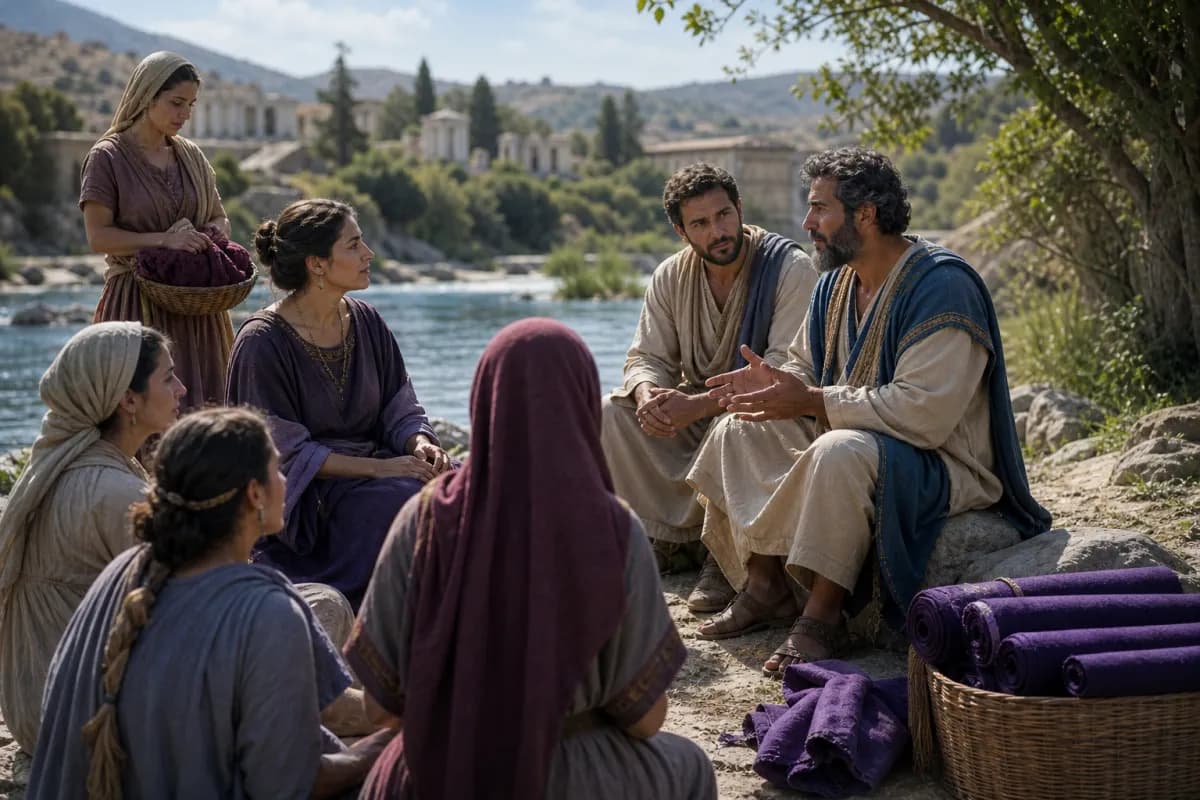
Acts 15:1–16:40 joins a decisive gospel question to a new mission advance. The Jerusalem council rejects circumcision as a condition for Gentile salvation, confessing that Jews and Gentiles are saved through the grace of the Lord Jesus. Paul then receives the Macedonian vision, sees Lydia believe, and sings in a Philippian prison as Christ’s word establishes churches across a new frontier.

Study this passage →
Acts 17:1–19:20

785 of 876 · Passage study

Jesus Proclaimed from Thessalonica to Ephesus

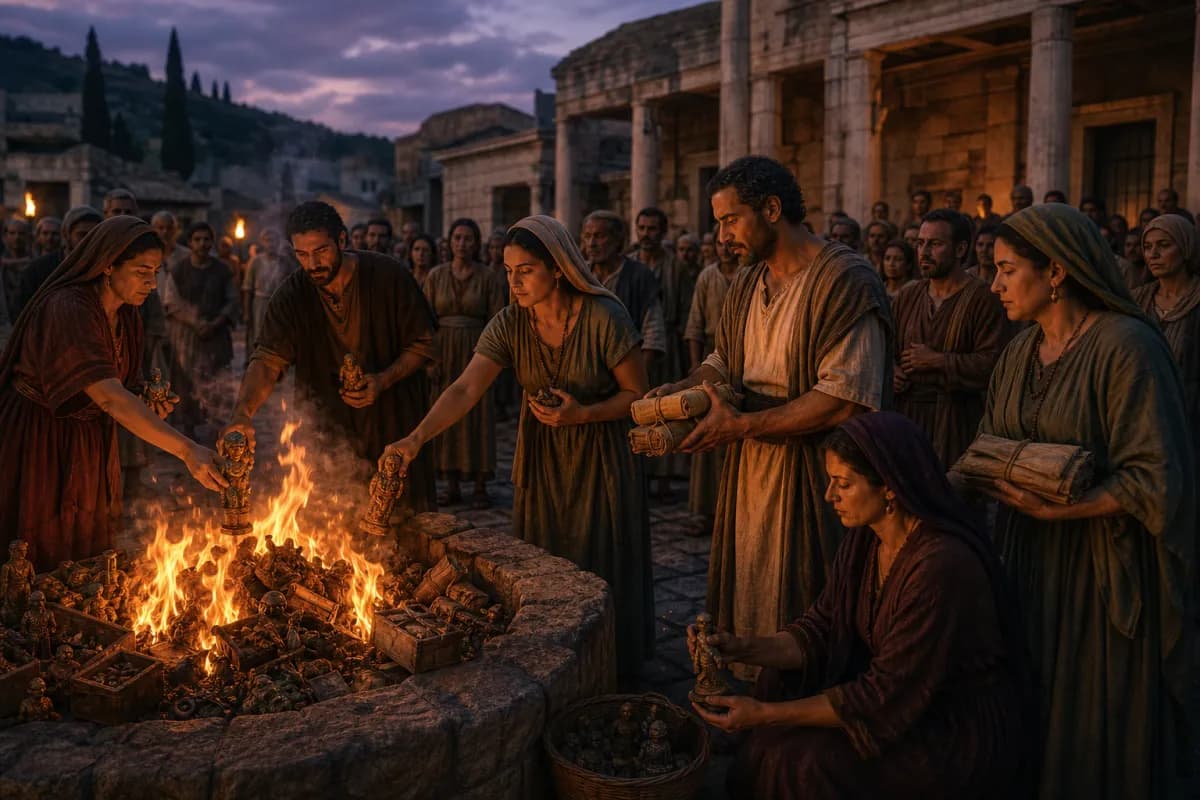
Acts 17:1–19:20 follows Paul through synagogue debate, public philosophy, house-church formation, and confrontation with idolatry. He reasons from Scripture that the Messiah had to suffer and rise, announces the risen Jesus to Athenians, receives the Lord’s encouragement in Corinth, and teaches Ephesians whose repentance becomes visible when costly magic practices are abandoned. The word of the Lord grows because Jesus is Lord over every city’s rival loyalty.

Study this passage →
Acts 19:21–21:16

786 of 876 · Passage study

Bound in the Spirit toward Jerusalem

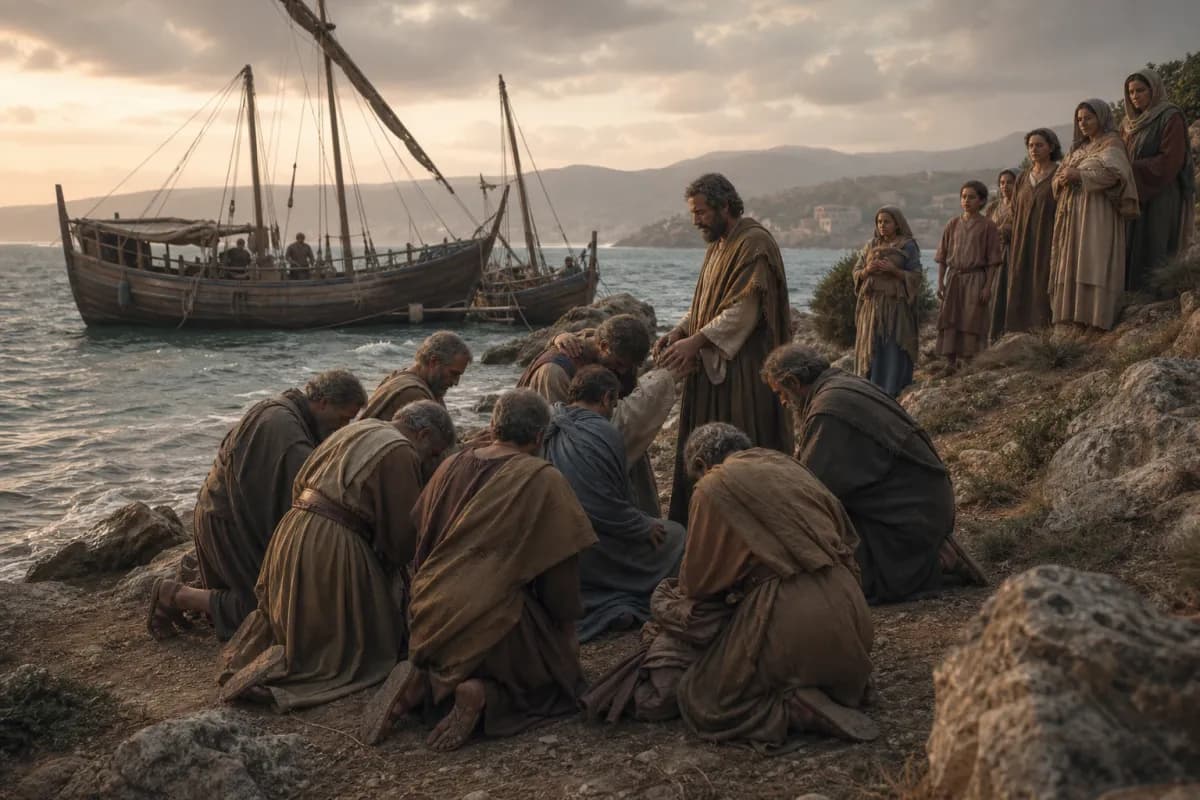
Acts 19:21–21:16 follows Paul from the riot in Ephesus through Macedonia, Greece, Troas, Miletus, Tyre, and Caesarea as he travels toward Jerusalem. He is resolved in the Spirit despite repeated warnings of imprisonment, entrusts the Ephesian elders to God’s grace, raises Eutychus after a midnight fall, and accepts Agabus’s warning without abandoning the calling. The road mirrors costly obedience to the Lord Jesus, not a search for danger.

Study this passage →
Acts 21:17–23:35

787 of 876 · Passage study

The Arrested Apostle Bears Witness before Jerusalem

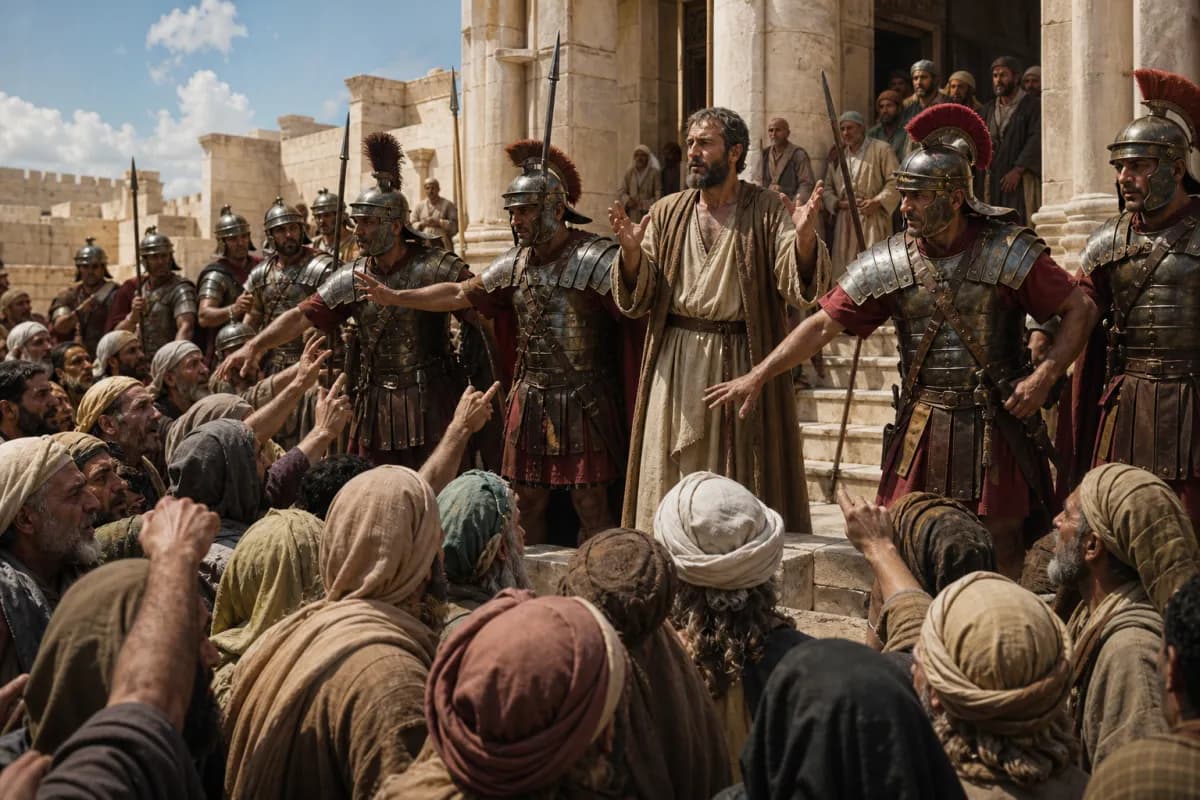
Acts 21:17–23:35 turns Paul’s arrest into public testimony. Rumors about his teaching produce a temple riot; Roman soldiers rescue him; Paul recounts his encounter with the risen Jesus and his commission to the Gentiles; he declares a resurrection hope before the council; and a plot to kill him is uncovered. Jesus’ promise that Paul will testify in Rome gives the section its center: hostile Jerusalem cannot cancel His mission.

Study this passage →
Acts 24:1–28:31

788 of 876 · Passage study

The Gospel Reaches Rome through Trials, Storm, and Witness

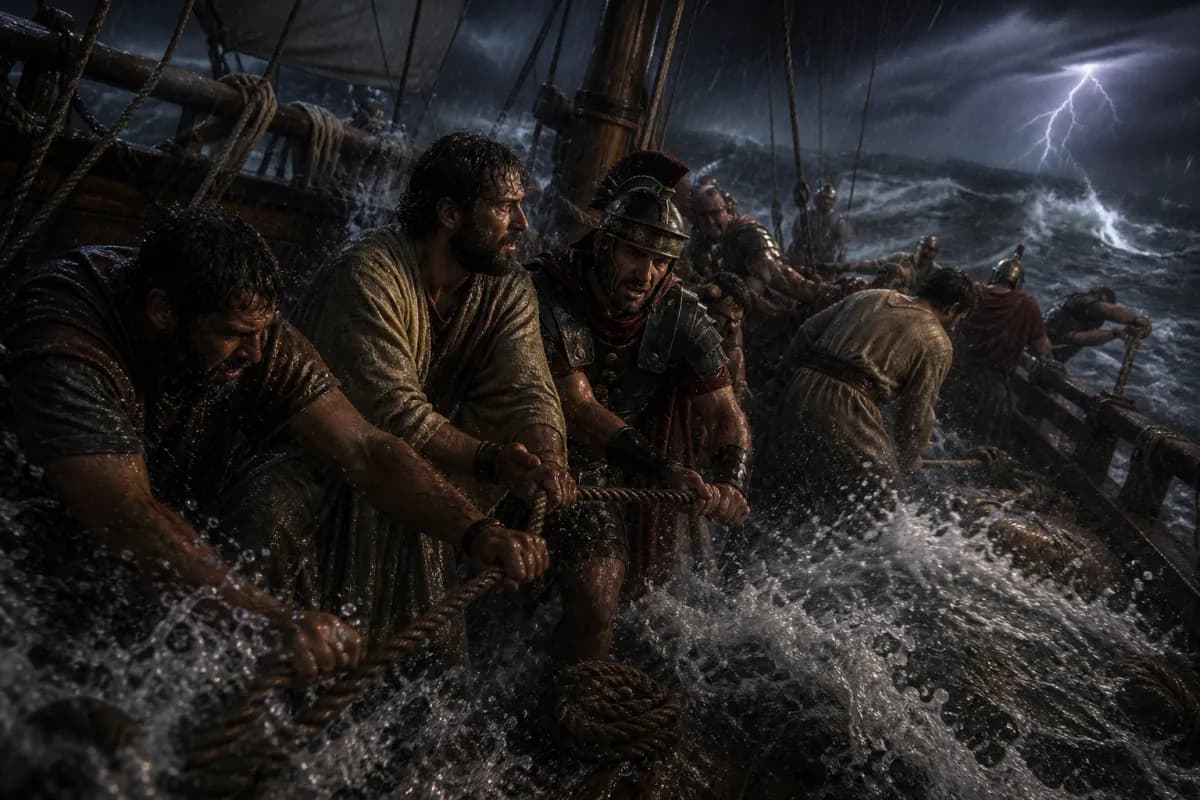
Acts 24:1–28:31 follows Paul through hearings before Felix, Festus, and Agrippa, a dangerous sea voyage, shipwreck on Malta, and guarded proclamation in Rome. He defends the resurrection hope and the Way without flattery or violence, appeals to Caesar, survives the storm through God’s promise, and teaches openly about God’s kingdom and the Lord Jesus. The book closes not with Paul’s verdict but with the unhindered advance of Christ’s message in the empire’s capital.

Study this passage →
Romans 1:1–1:17

789 of 876 · Passage study

The Gospel Reveals God’s Righteous Saving Power

Romans 1:1–17 introduces Paul, his apostolic calling, and the gospel he is eager to proclaim in Rome. This gospel concerns God’s Son, descended from David and designated Son of God in power through resurrection. It is God’s power for salvation to everyone who believes because in it God reveals the righteousness He gives and requires, received by faith from beginning to end.

Study this passage →
Romans 1:18–3:20

790 of 876 · Passage study

God’s Righteous Judgment Leaves Every Person Accountable

Romans 1:18–3:20 exposes humanity’s shared guilt before God. Gentiles suppress the truth visible in creation and exchange the Creator for idols; Jews who possess the law also fail to keep it and cannot judge others from a place of innocence. Paul gathers both groups under sin so that every mouth is silenced and the whole world stands accountable, prepared to hear the gospel of God’s righteousness.

Study this passage →
Romans 3:21–4:25

791 of 876 · Passage study

God Justifies the Ungodly Through Faith in Christ

Romans 3:21–4:25 announces the answer to universal guilt: God reveals His righteousness apart from works of the law through faith in Jesus Christ. Christ’s redeeming death demonstrates God’s righteousness while justifying believers. Abraham then proves that this gift precedes circumcision and law, because he was counted righteous by faith in God’s promise. The promise culminates in the God who raised Jesus our Lord for our trespasses and justification.

Study this passage →
Romans 5:1–6:23

792 of 876 · Passage study

Reconciled Through Christ, Dead to Sin, Alive to God

Romans 5:1–6:23 moves from peace with God to a new life under grace. Justified believers rejoice in hope amid suffering because Christ died for the ungodly and reconciled enemies to God. Adam’s trespass brought sin and death into human history; Christ’s obedient act brings righteousness and life to His people. Union with Christ in His death and resurrection means believers must no longer offer themselves to sin but to God.

Study this passage →
Keep scrolling for the next passage.